
%20detail%204.jpg)



.png)


-web.jpg)



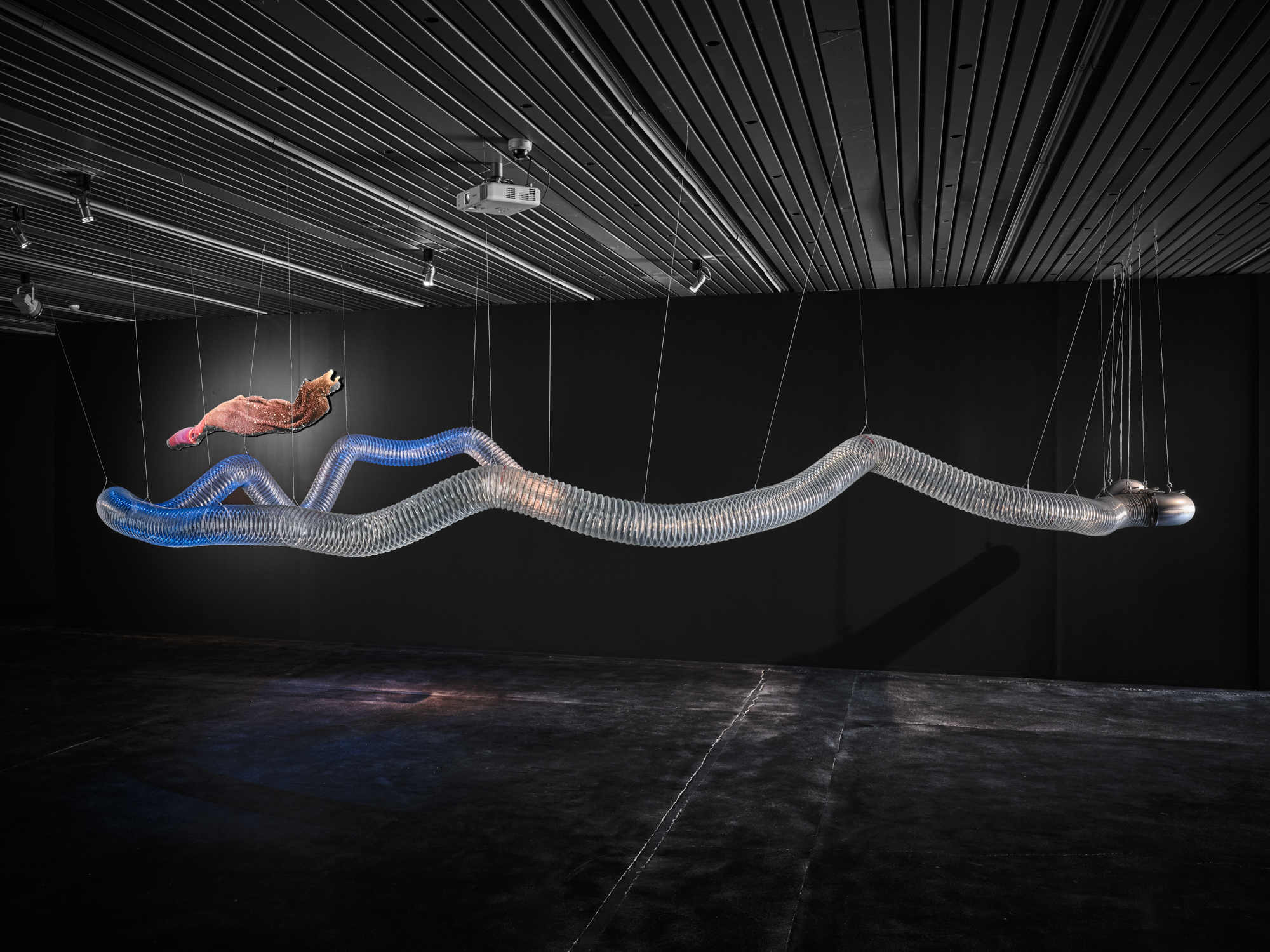
























.JPG)










Model Earth
Leeuwarden
Type
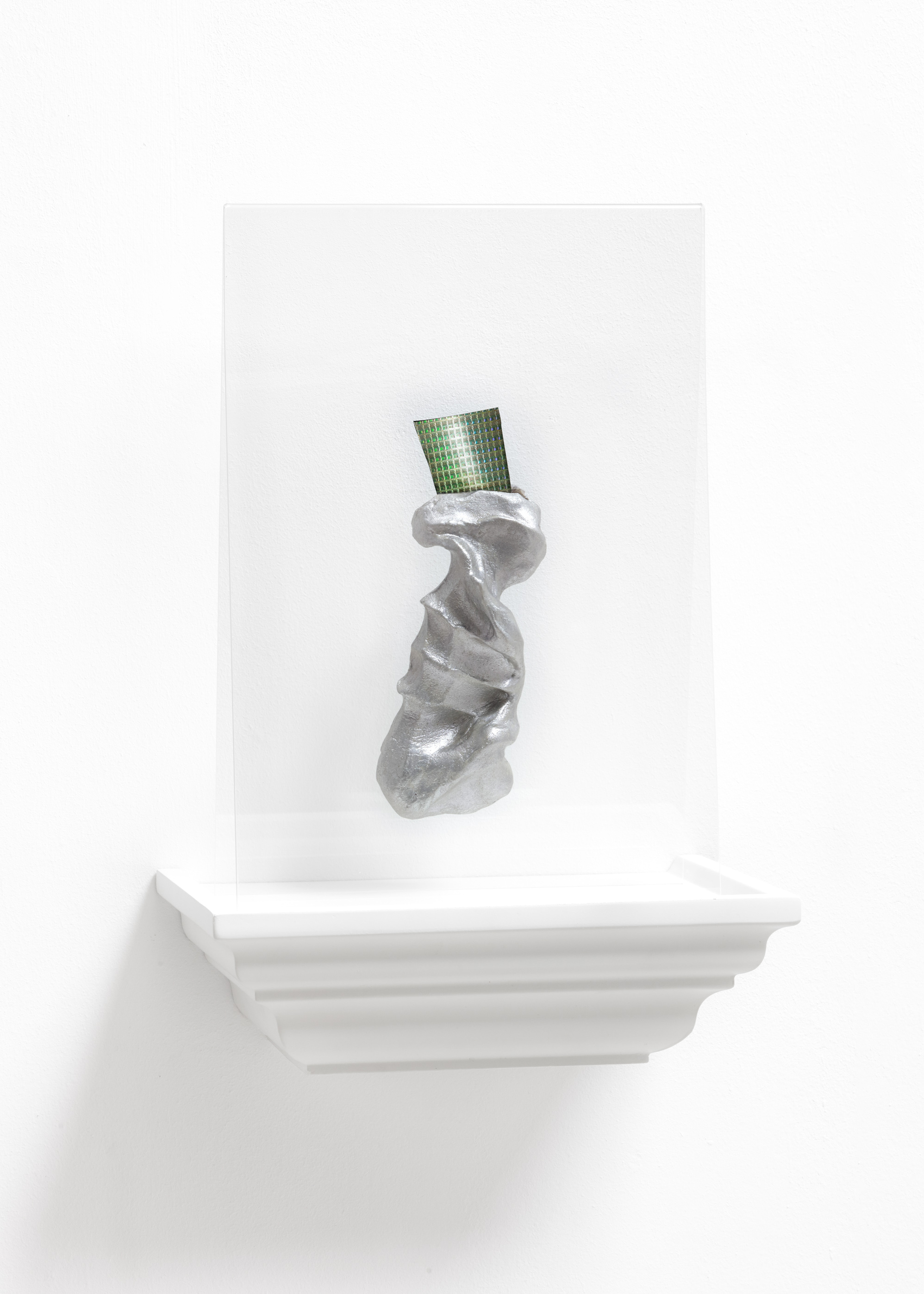
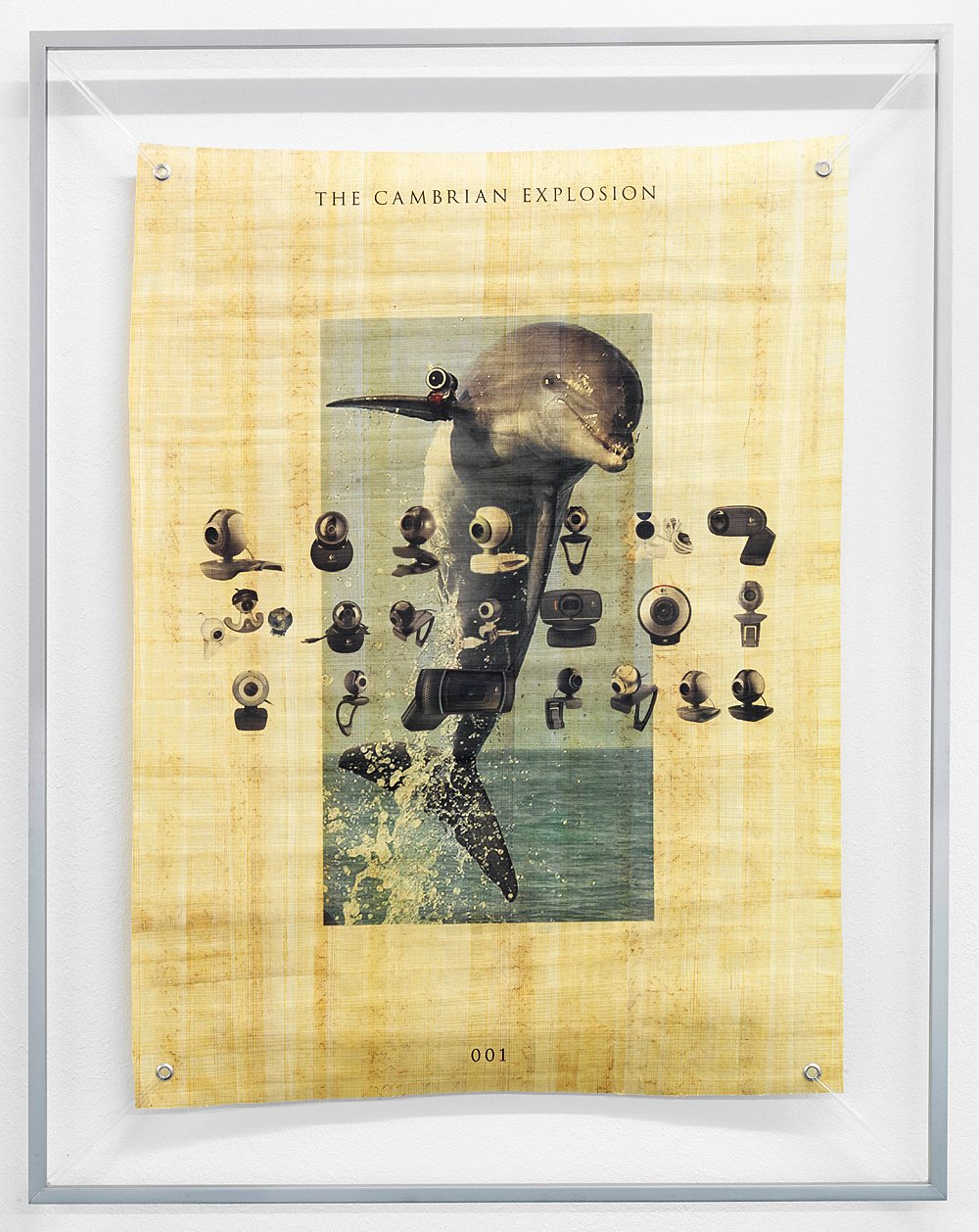
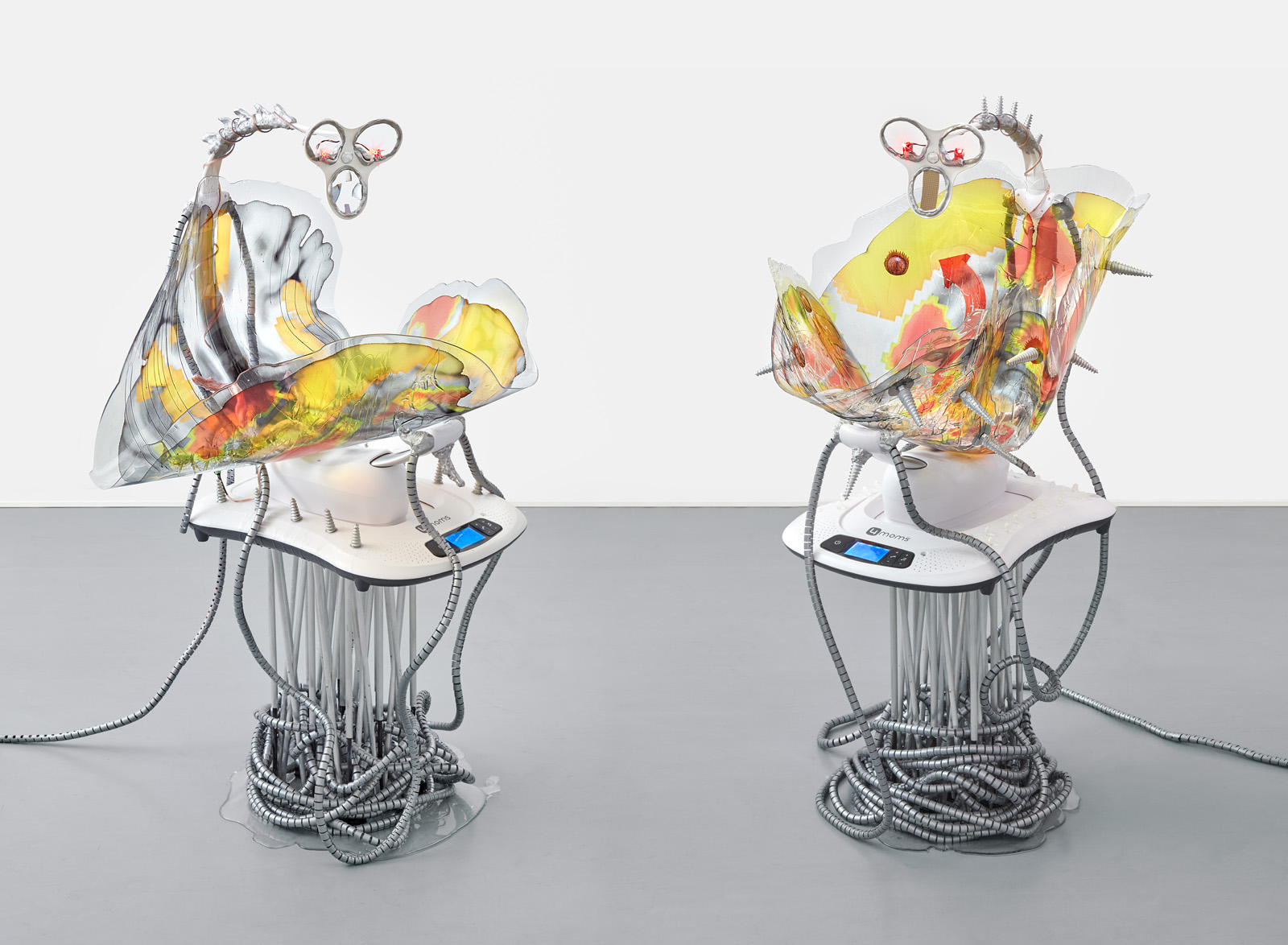
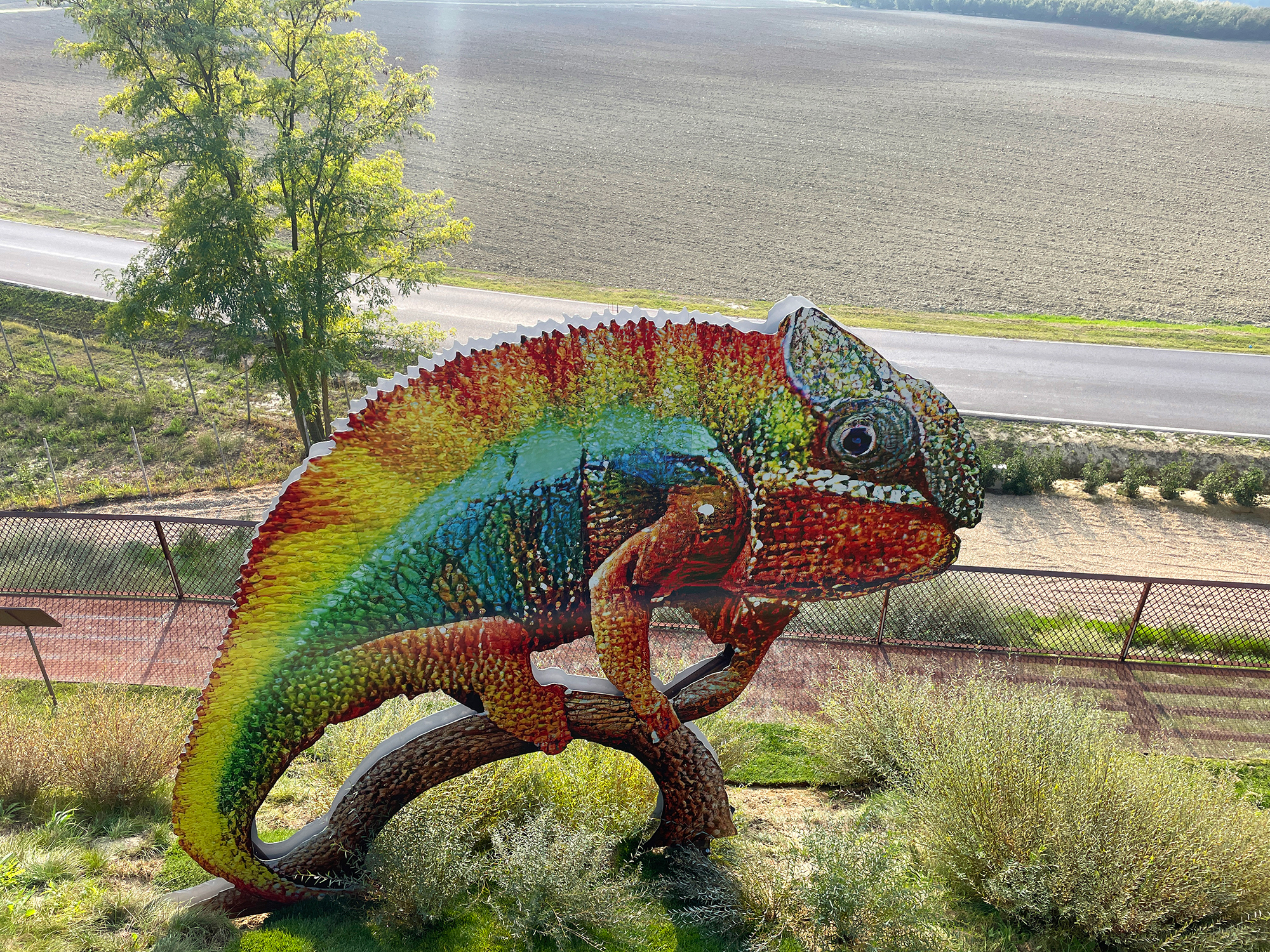
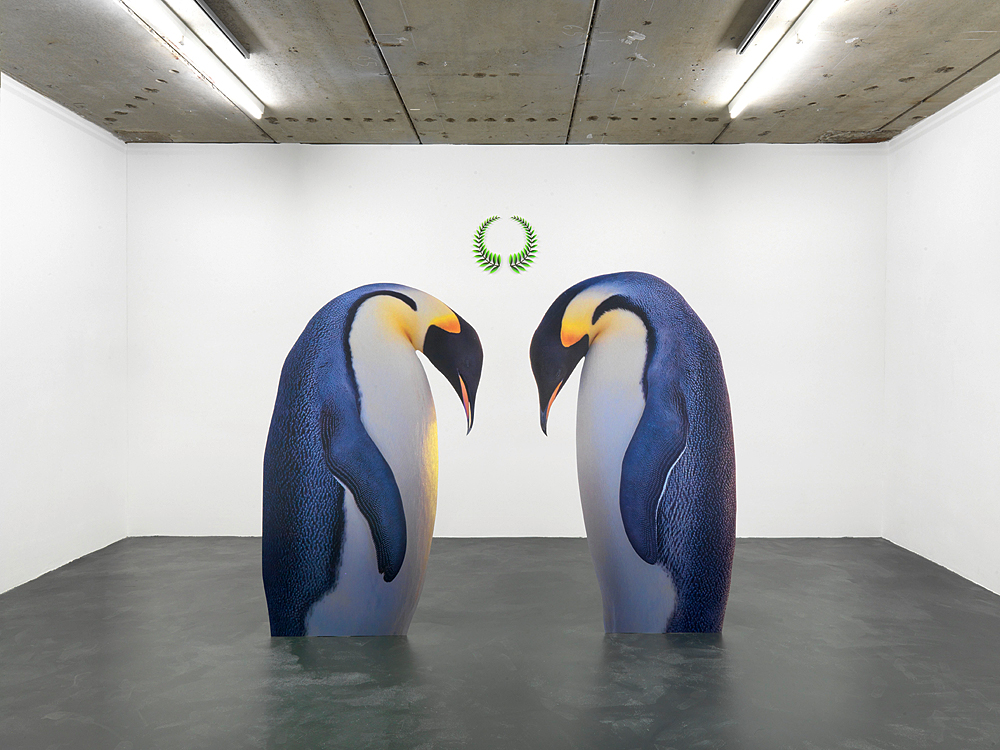
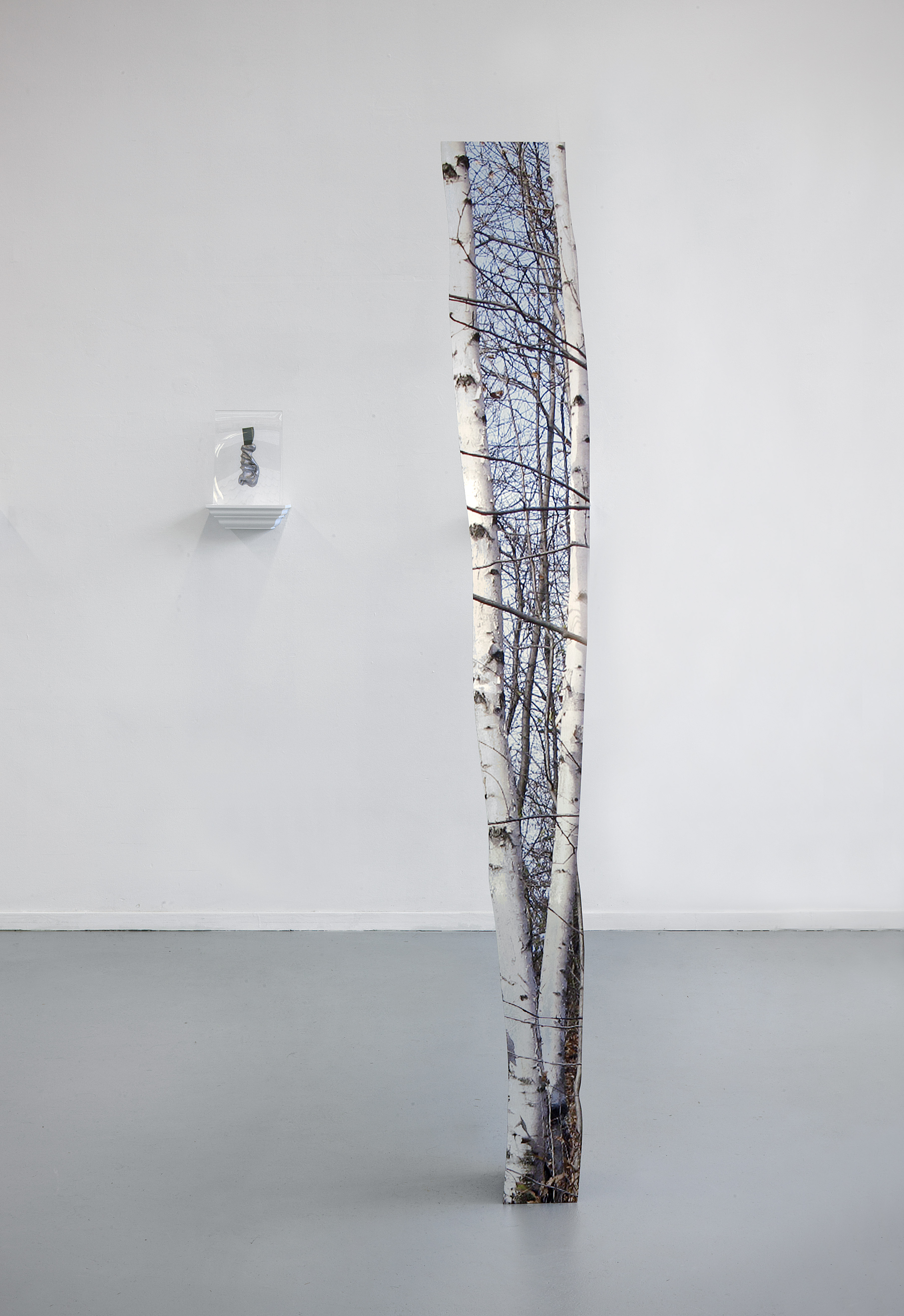
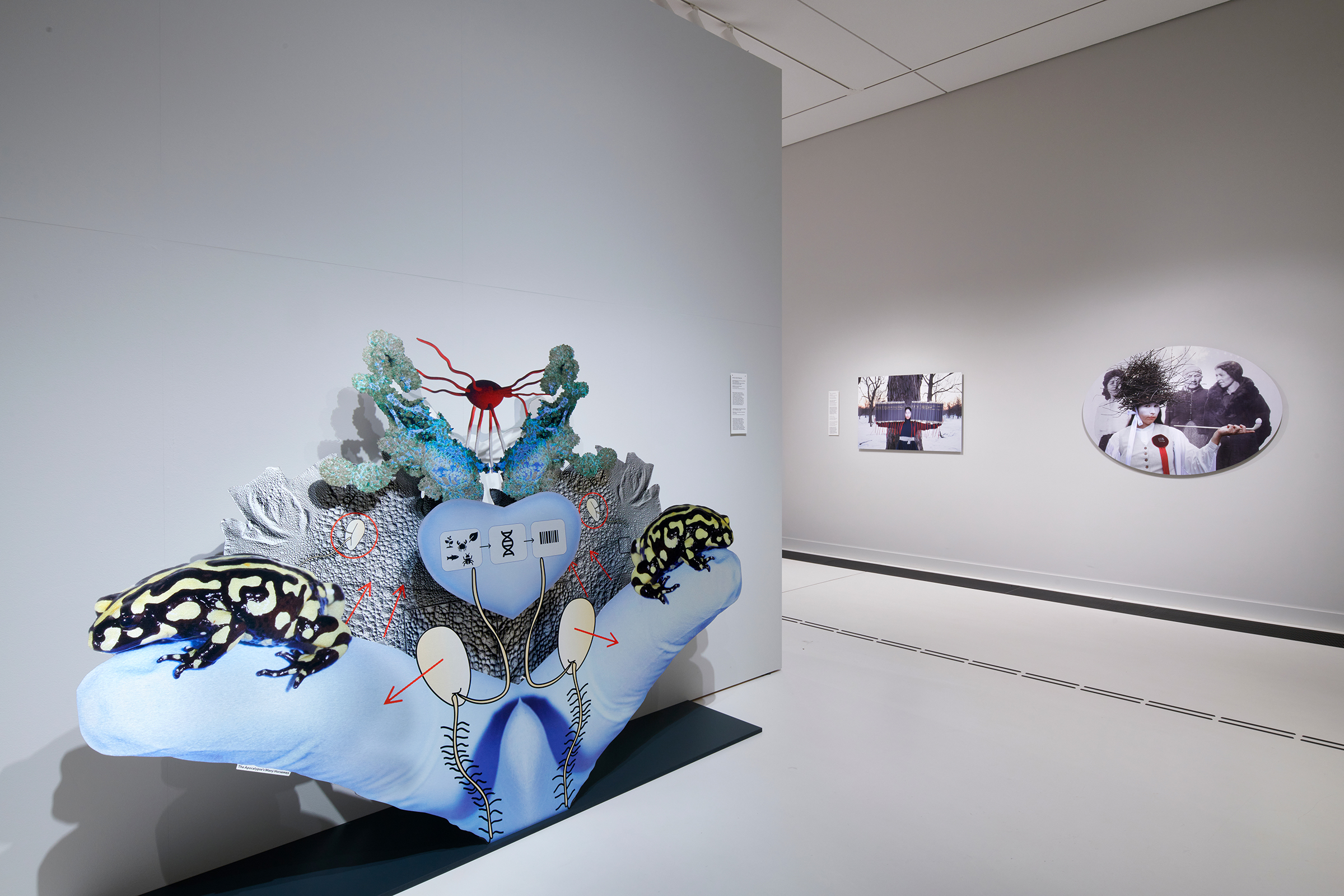
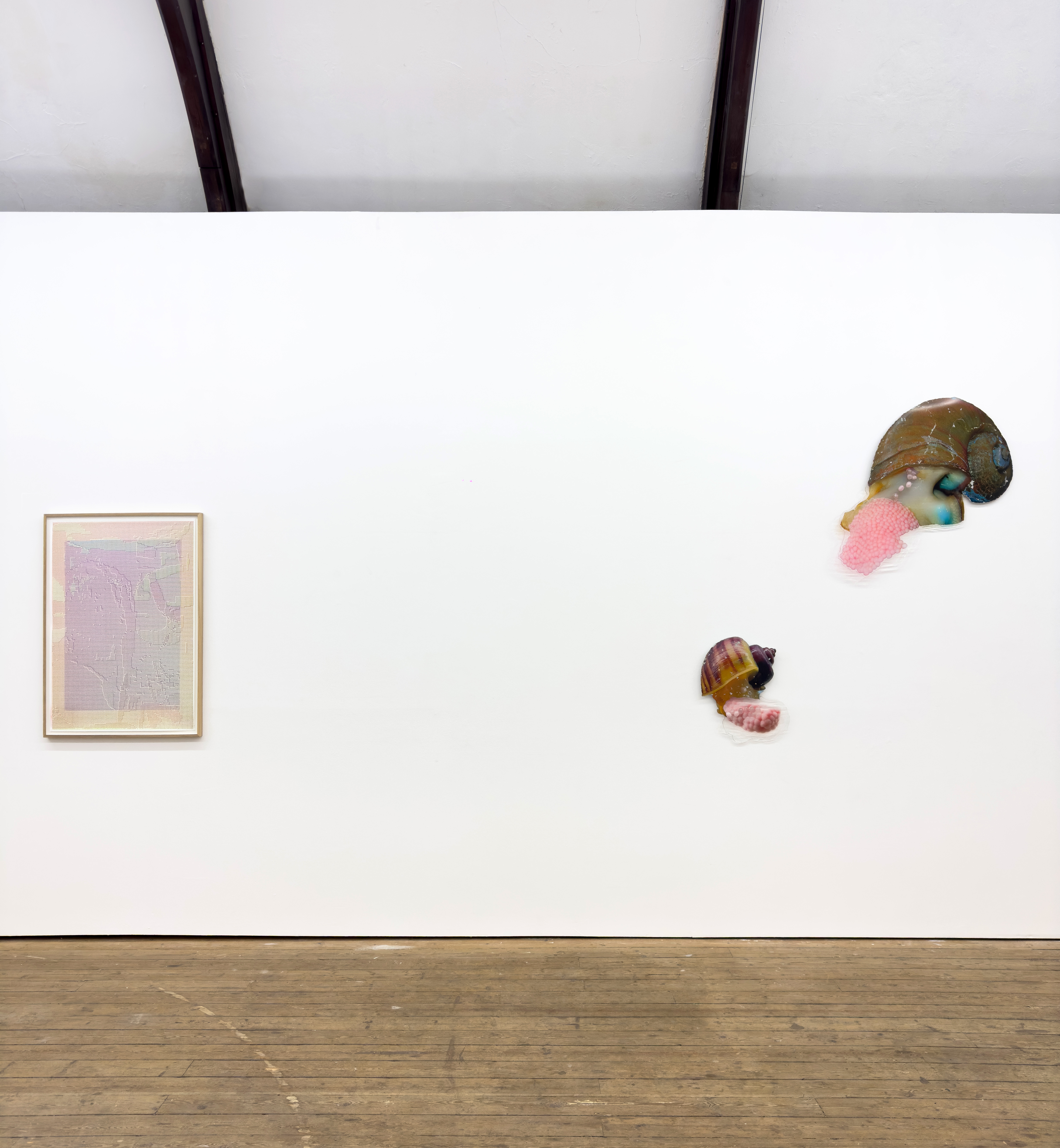
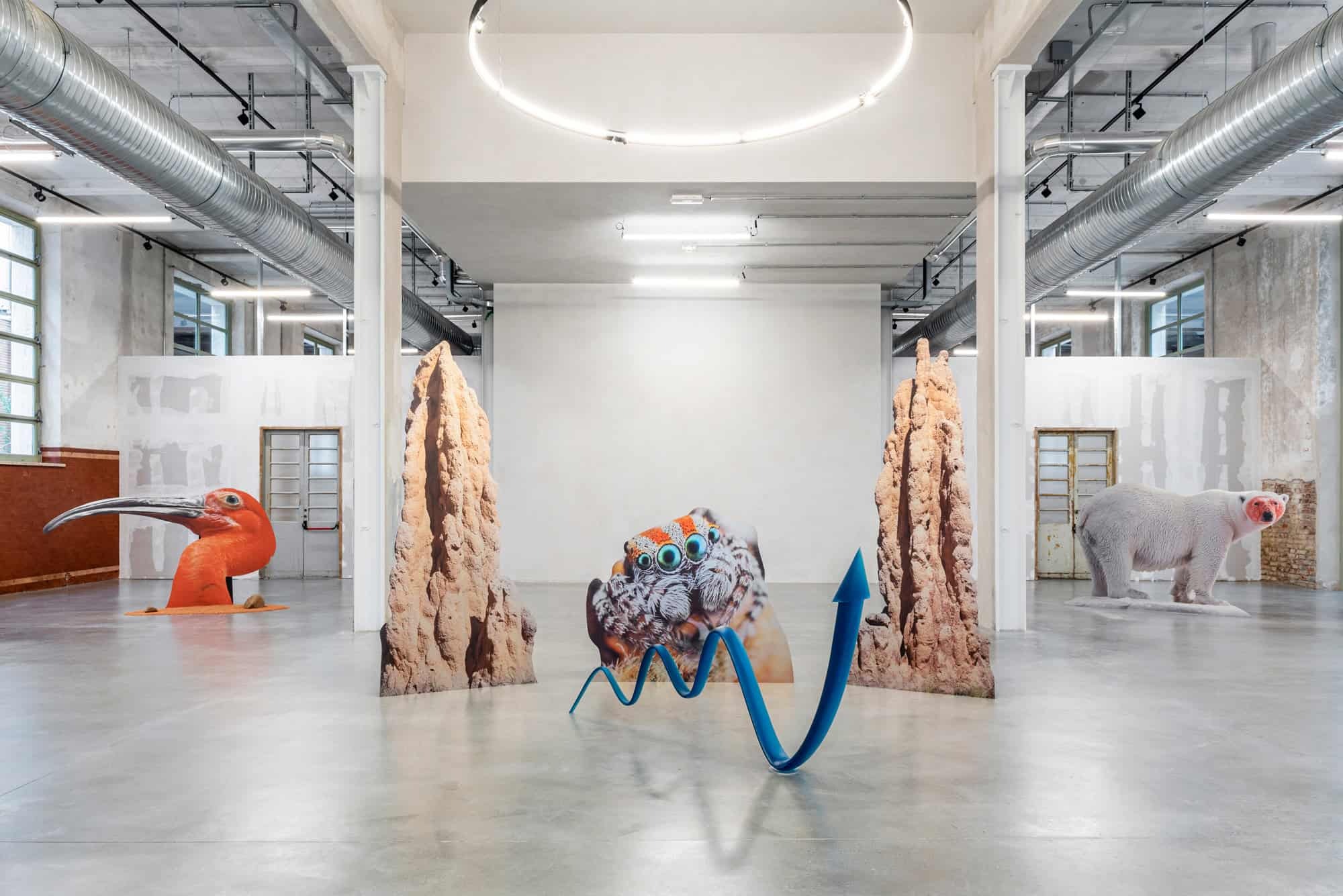
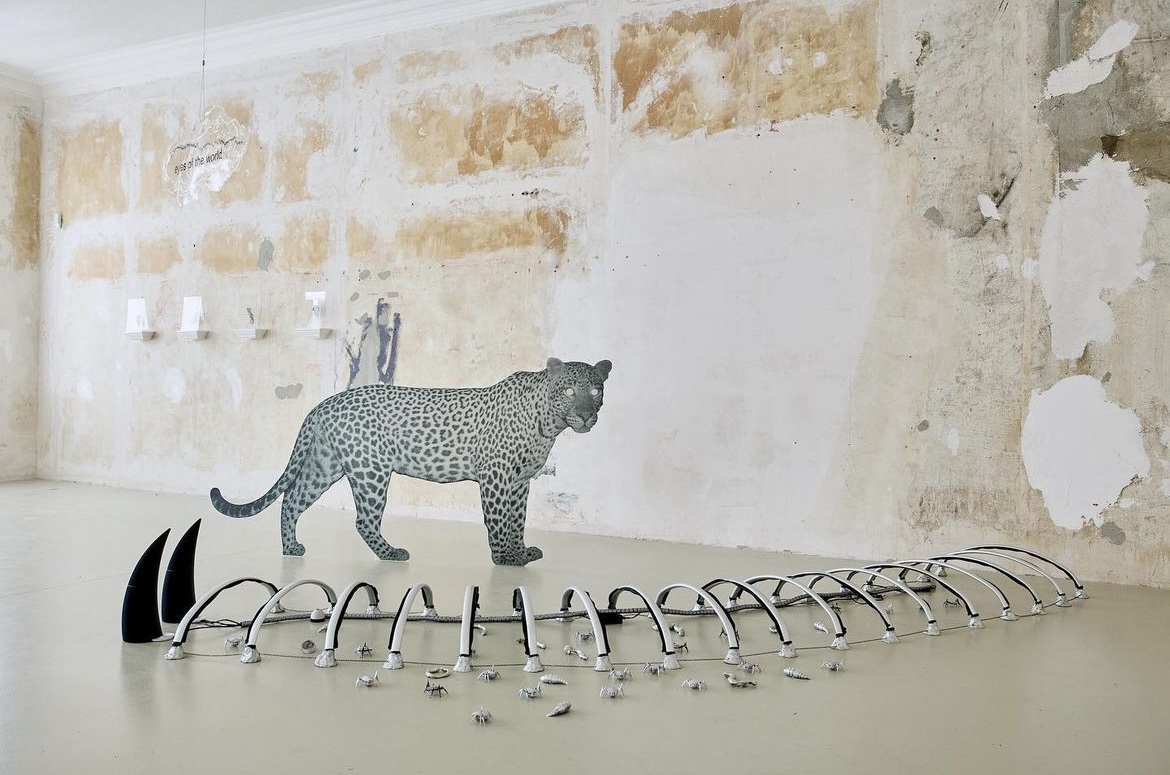
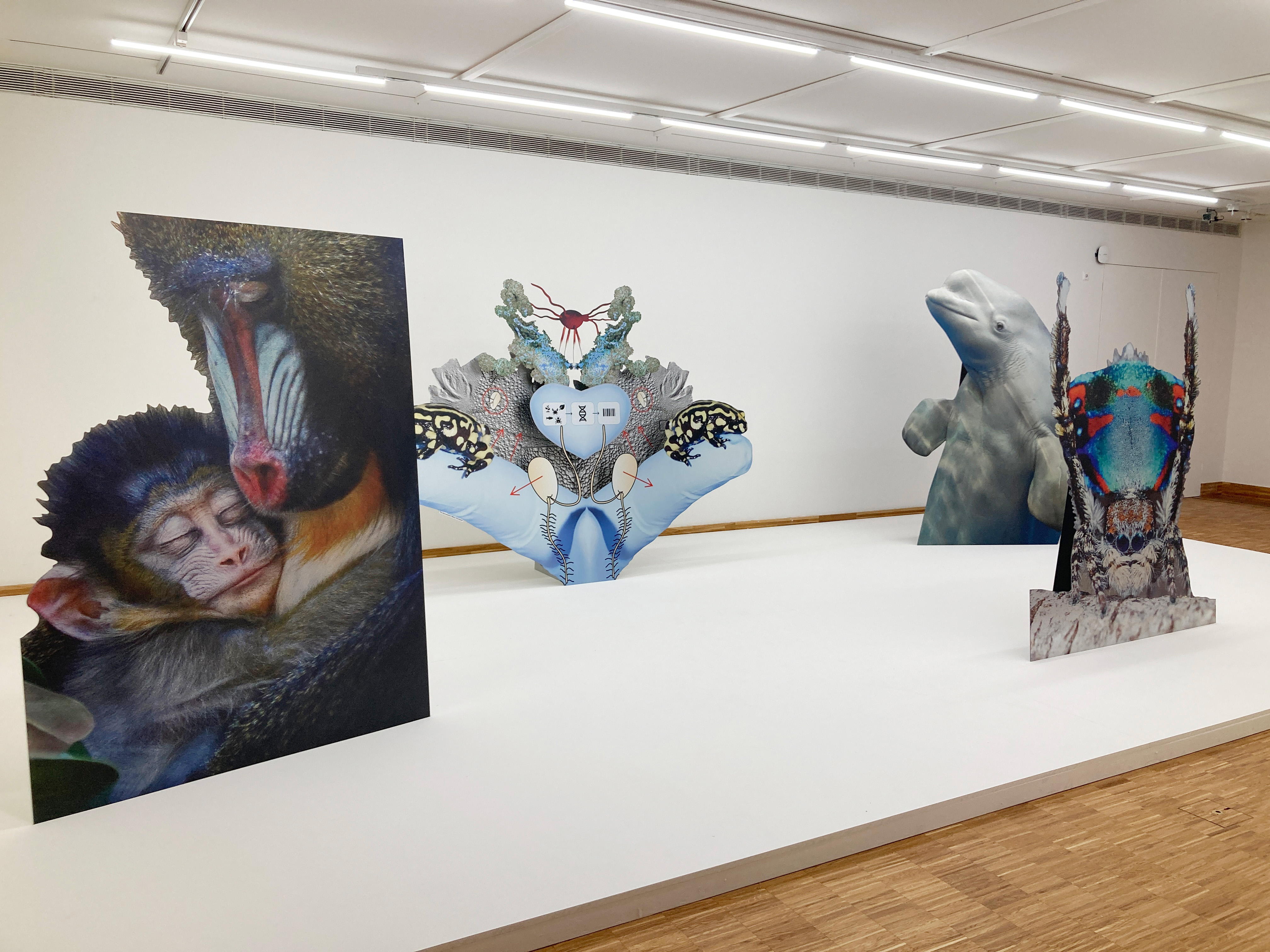
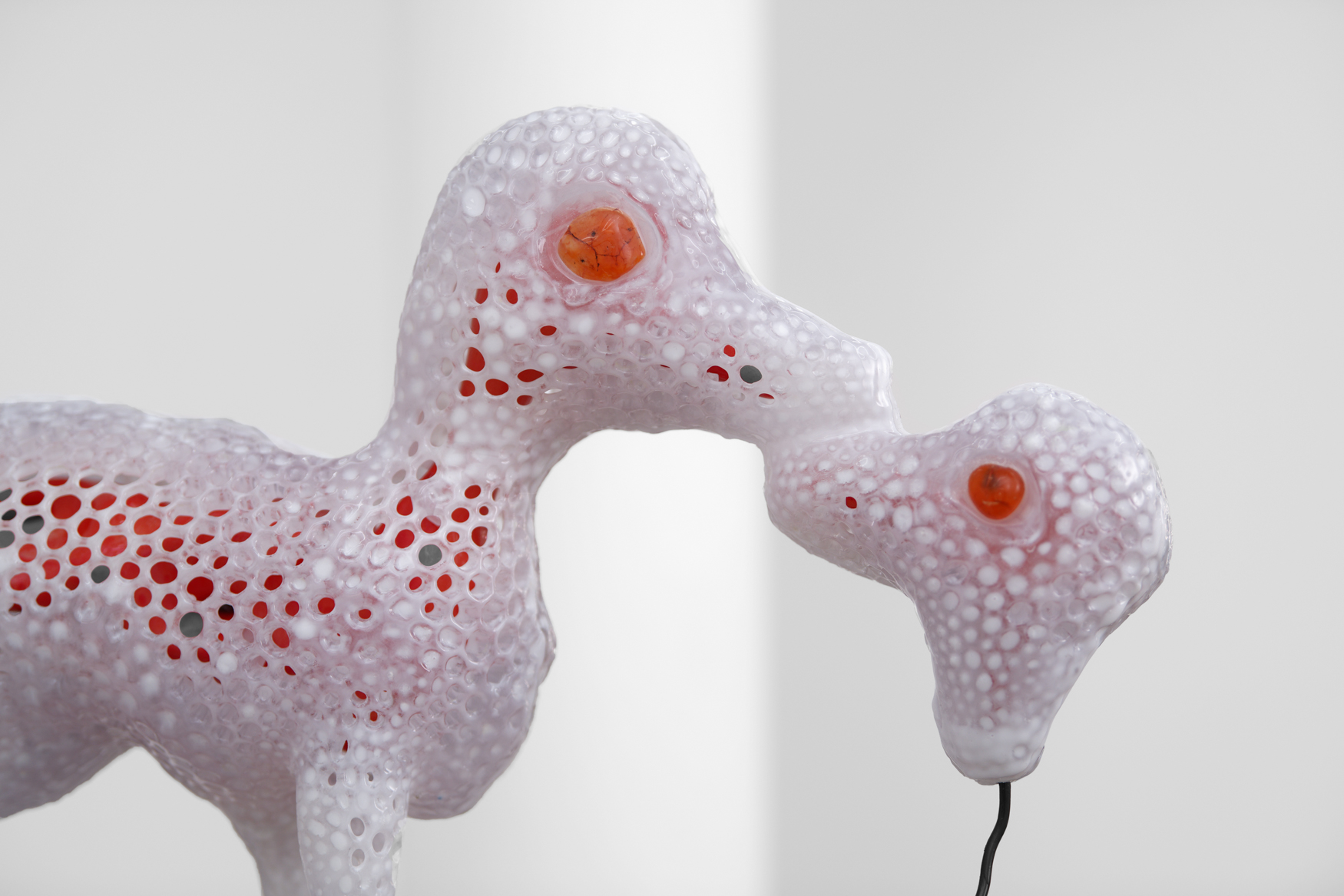
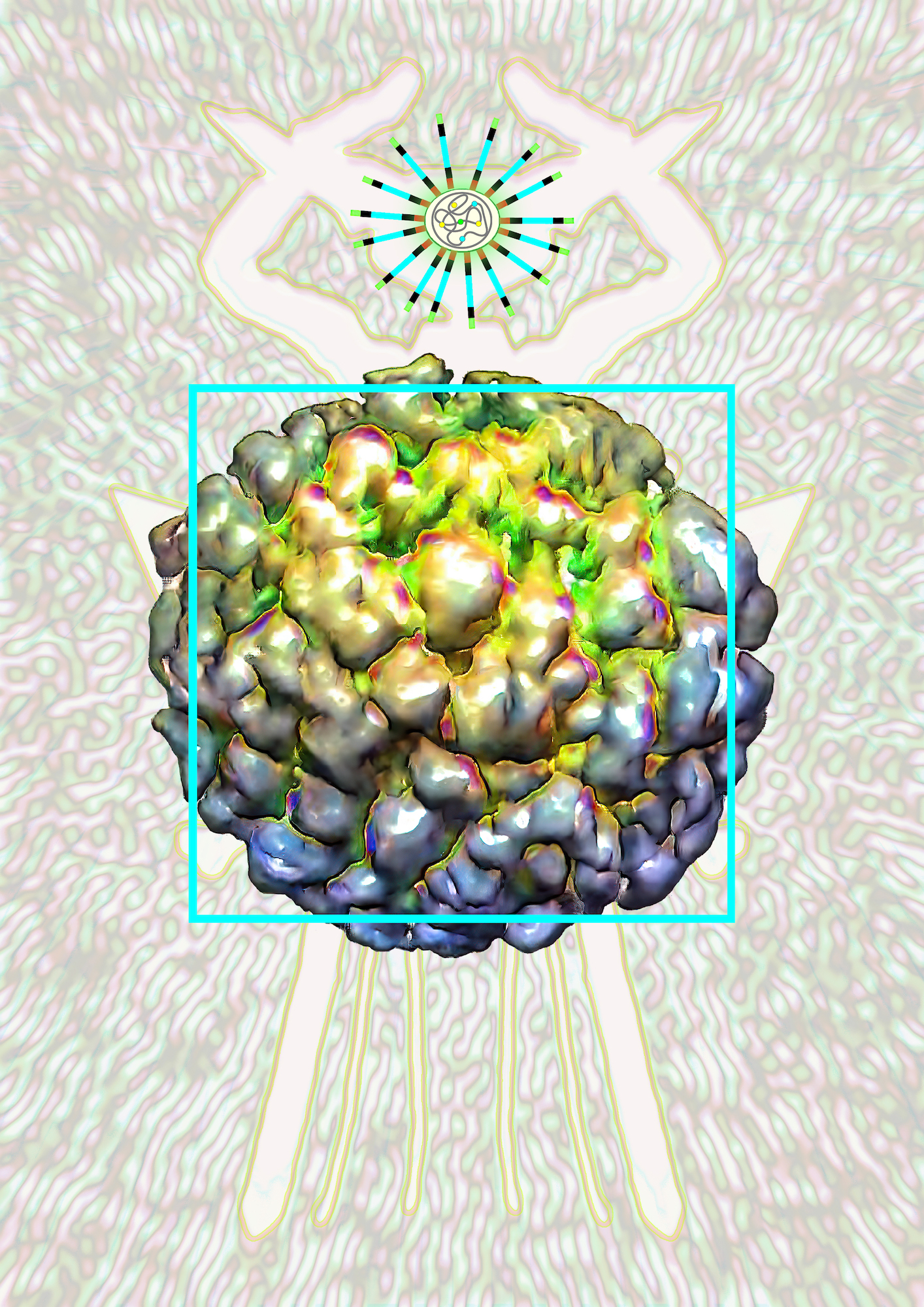
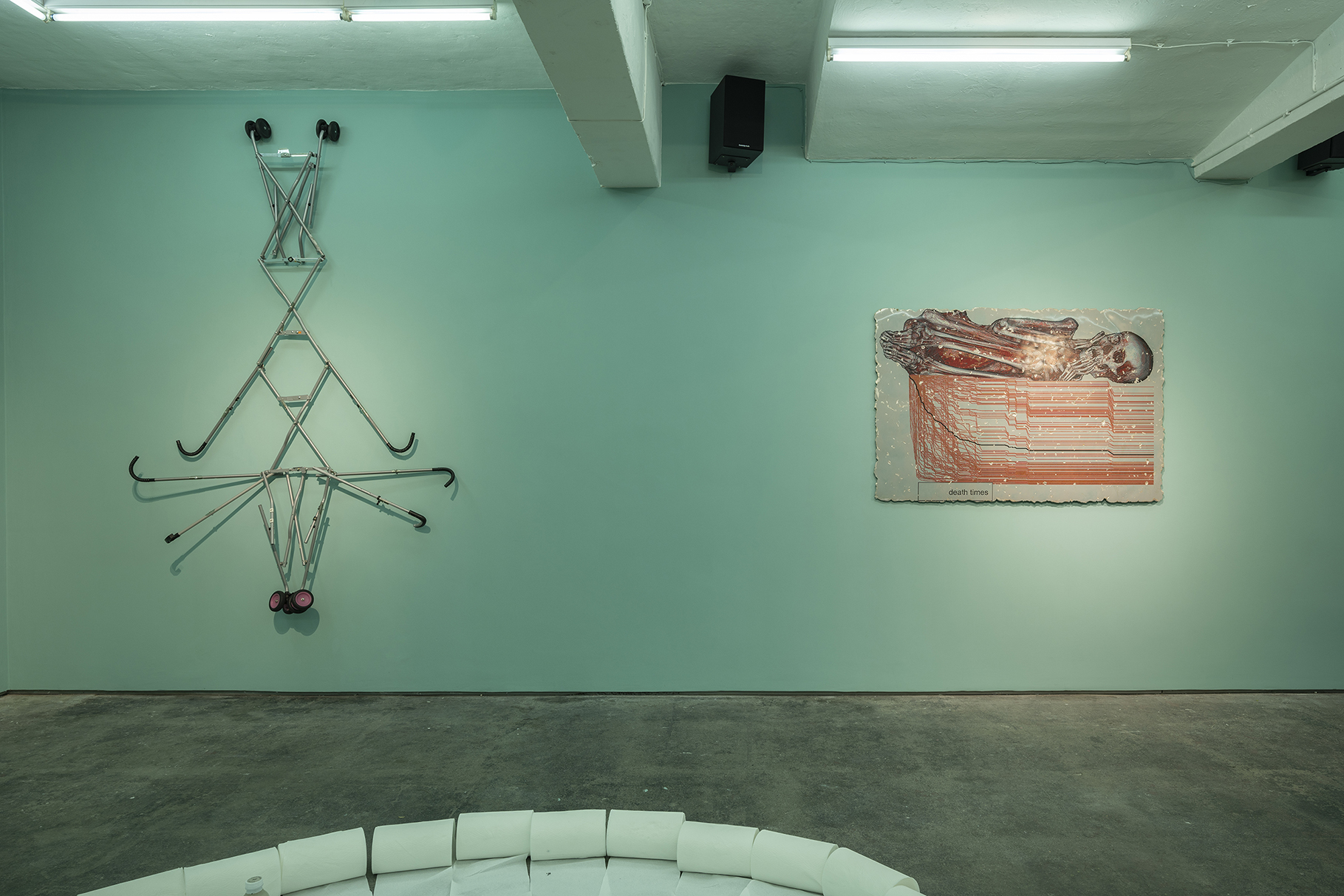
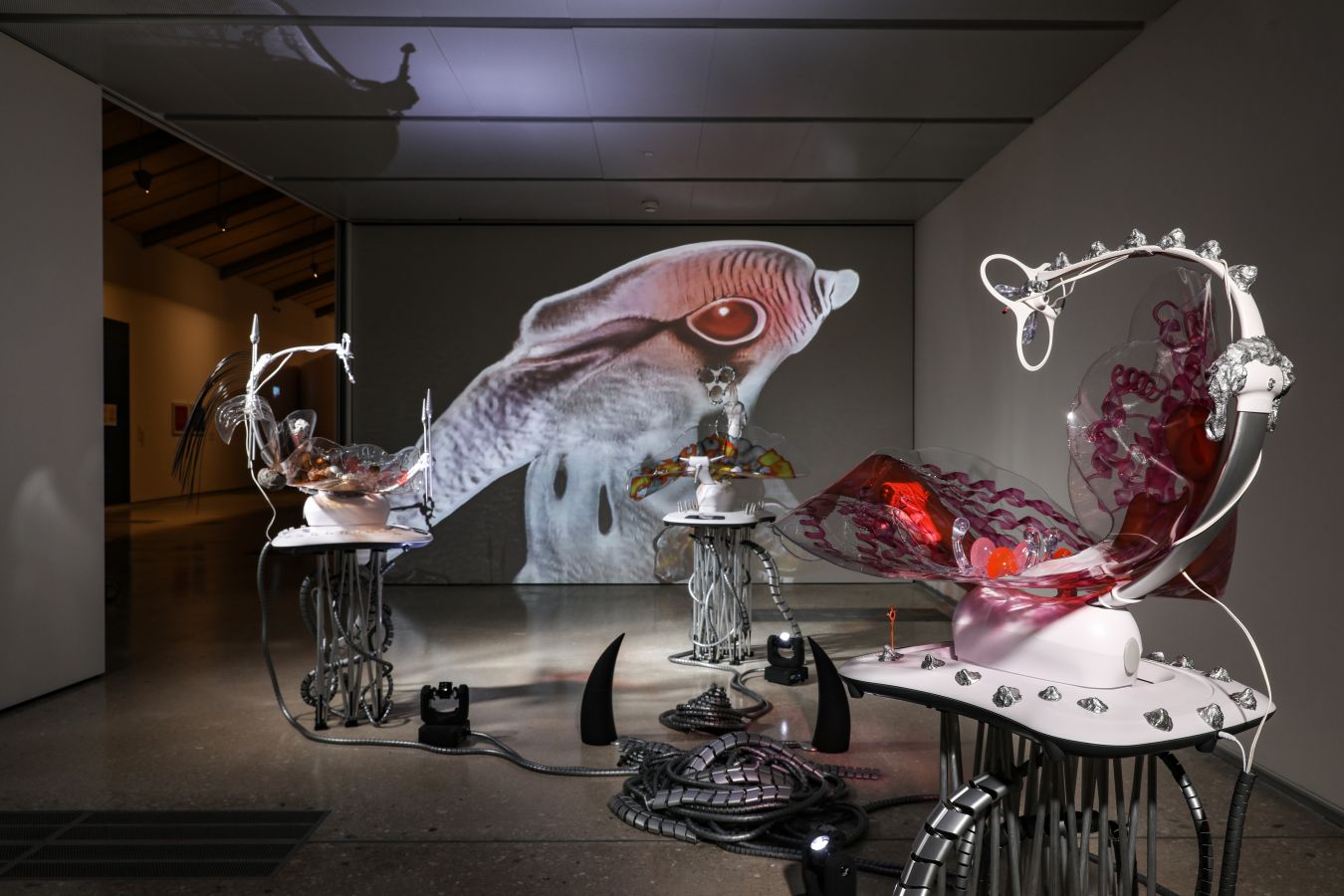
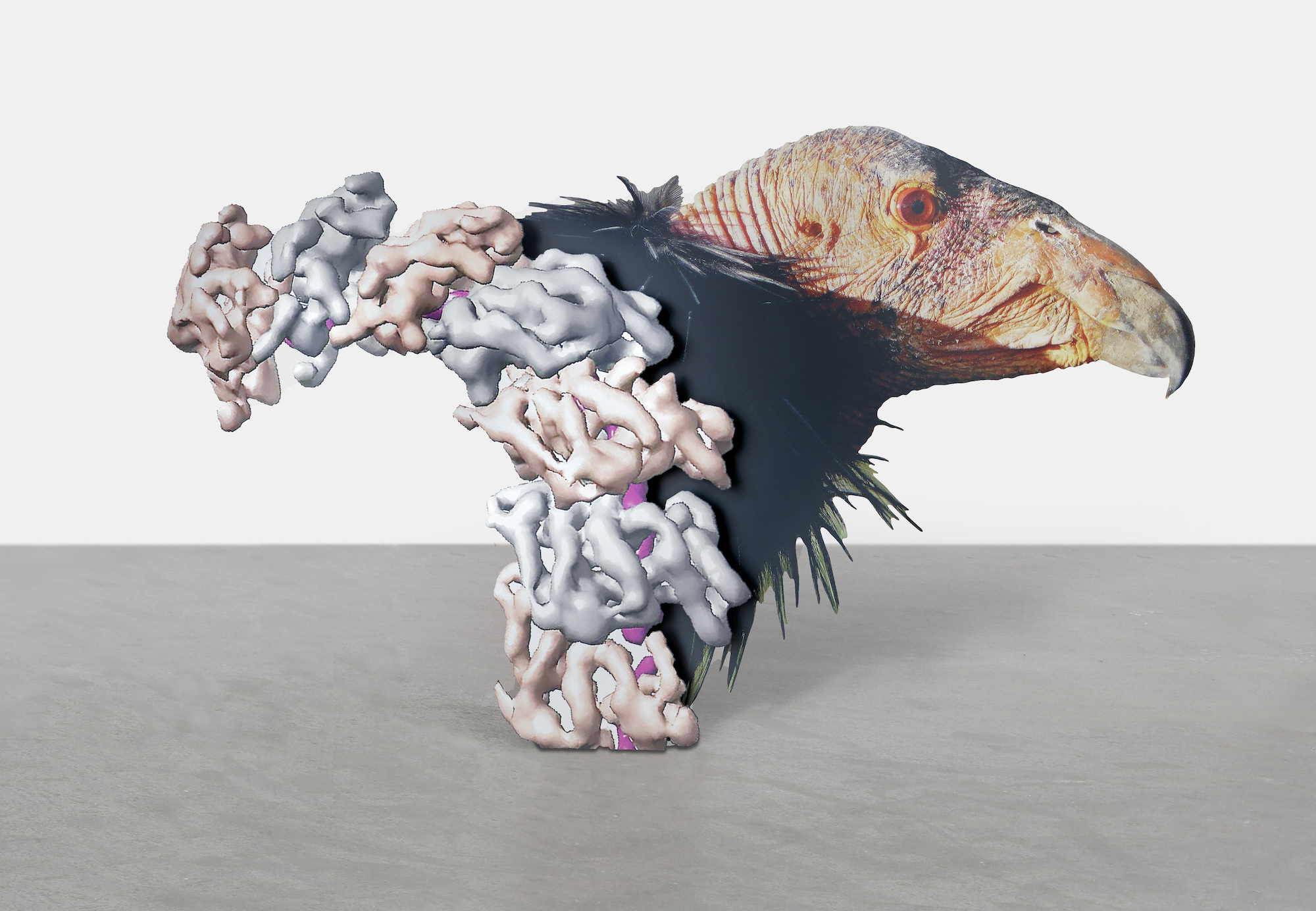
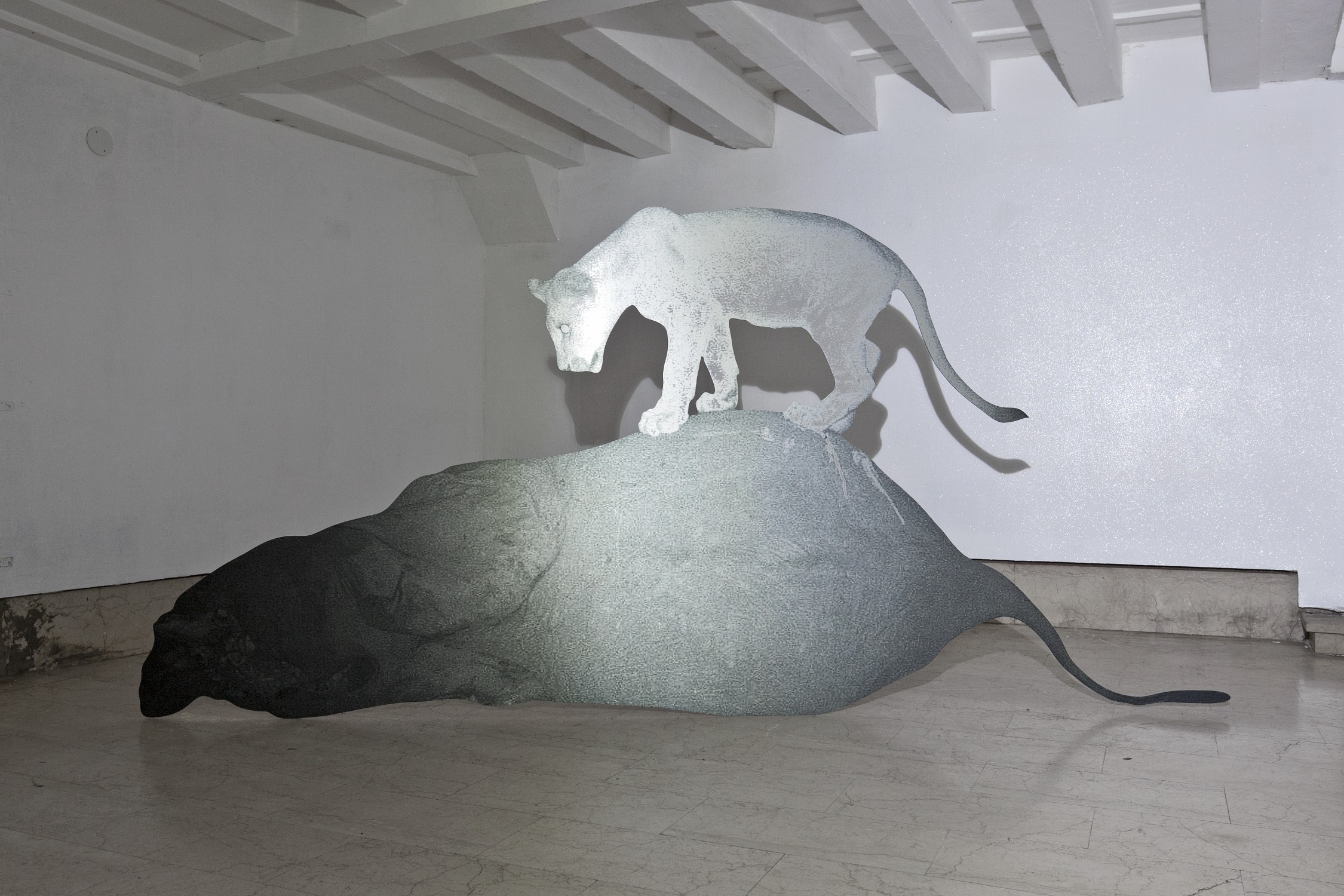
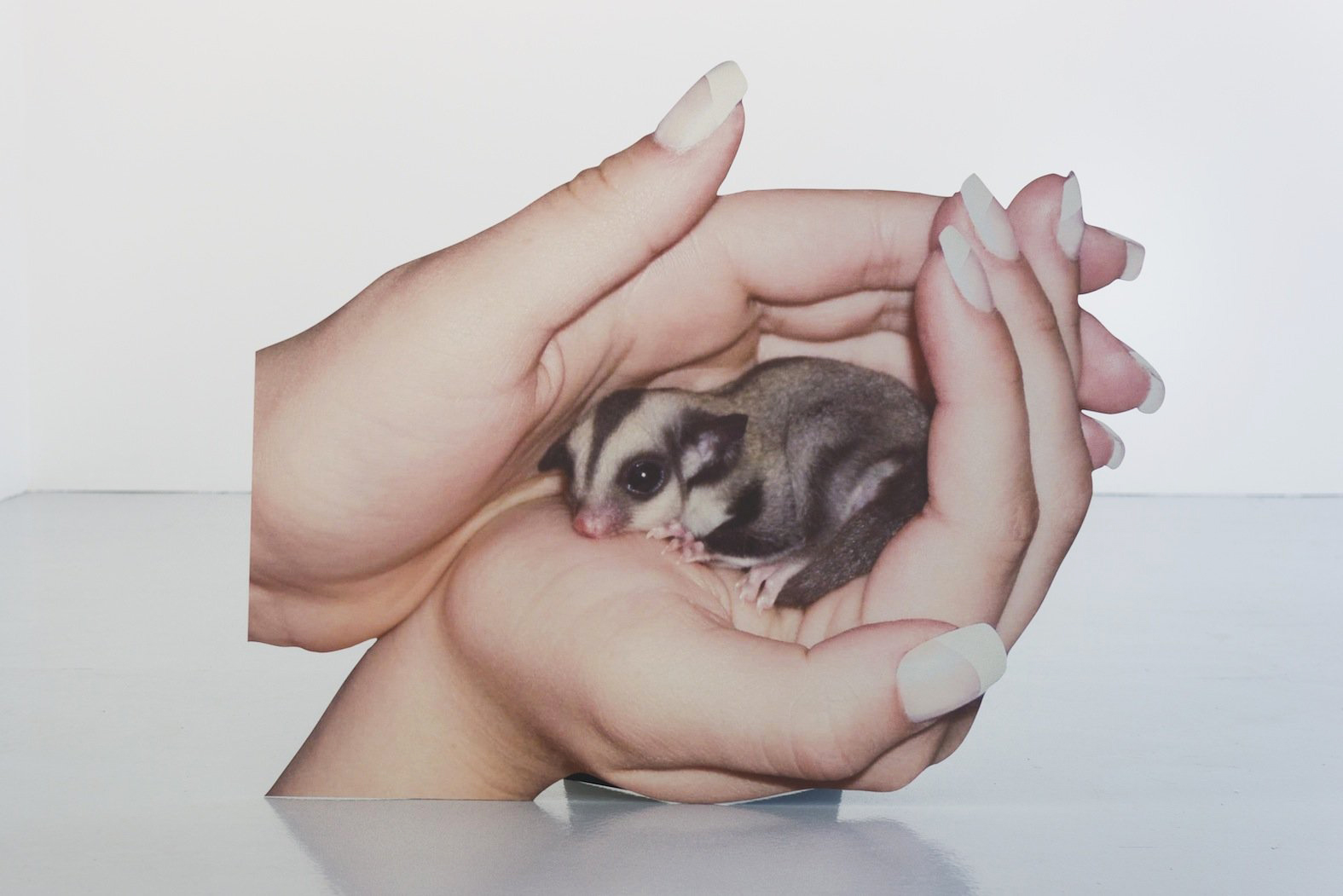
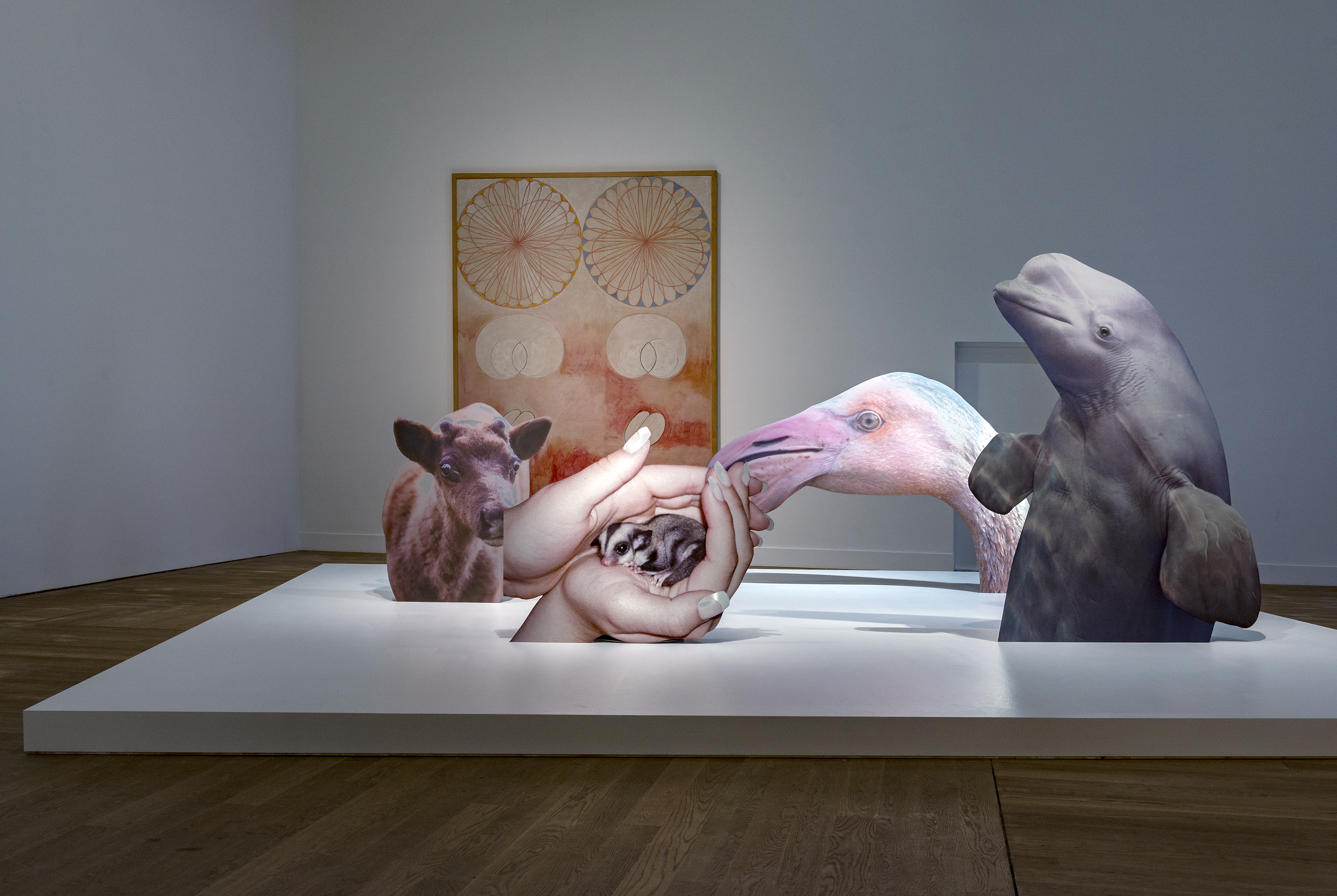
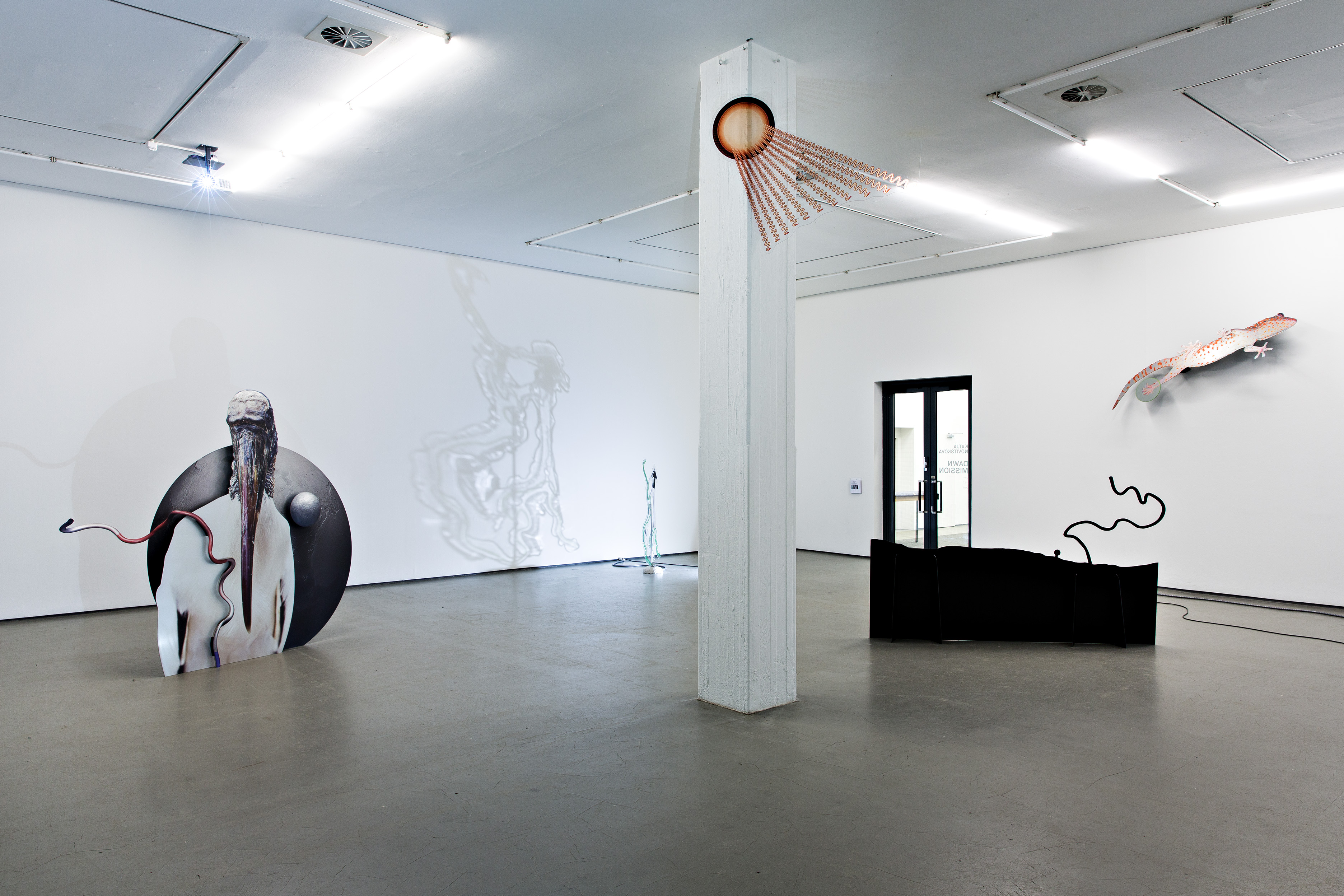
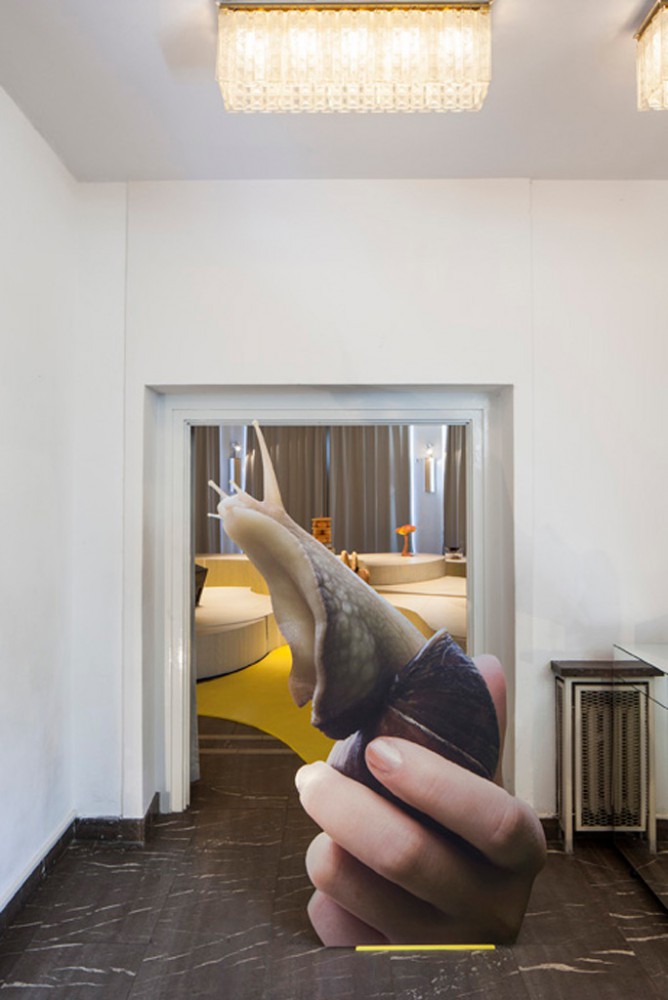
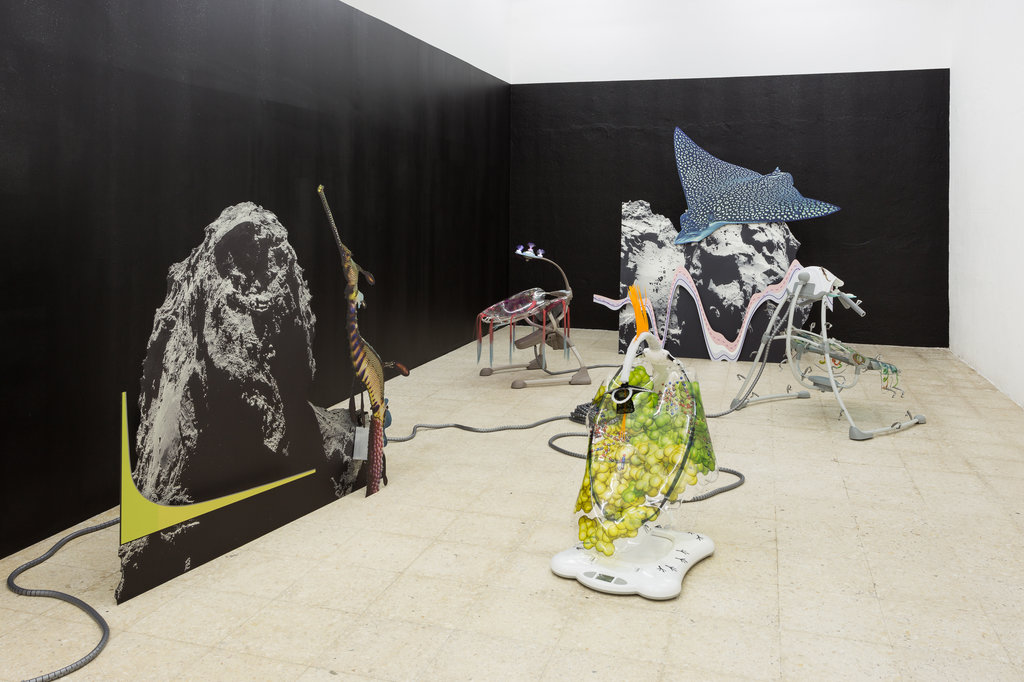
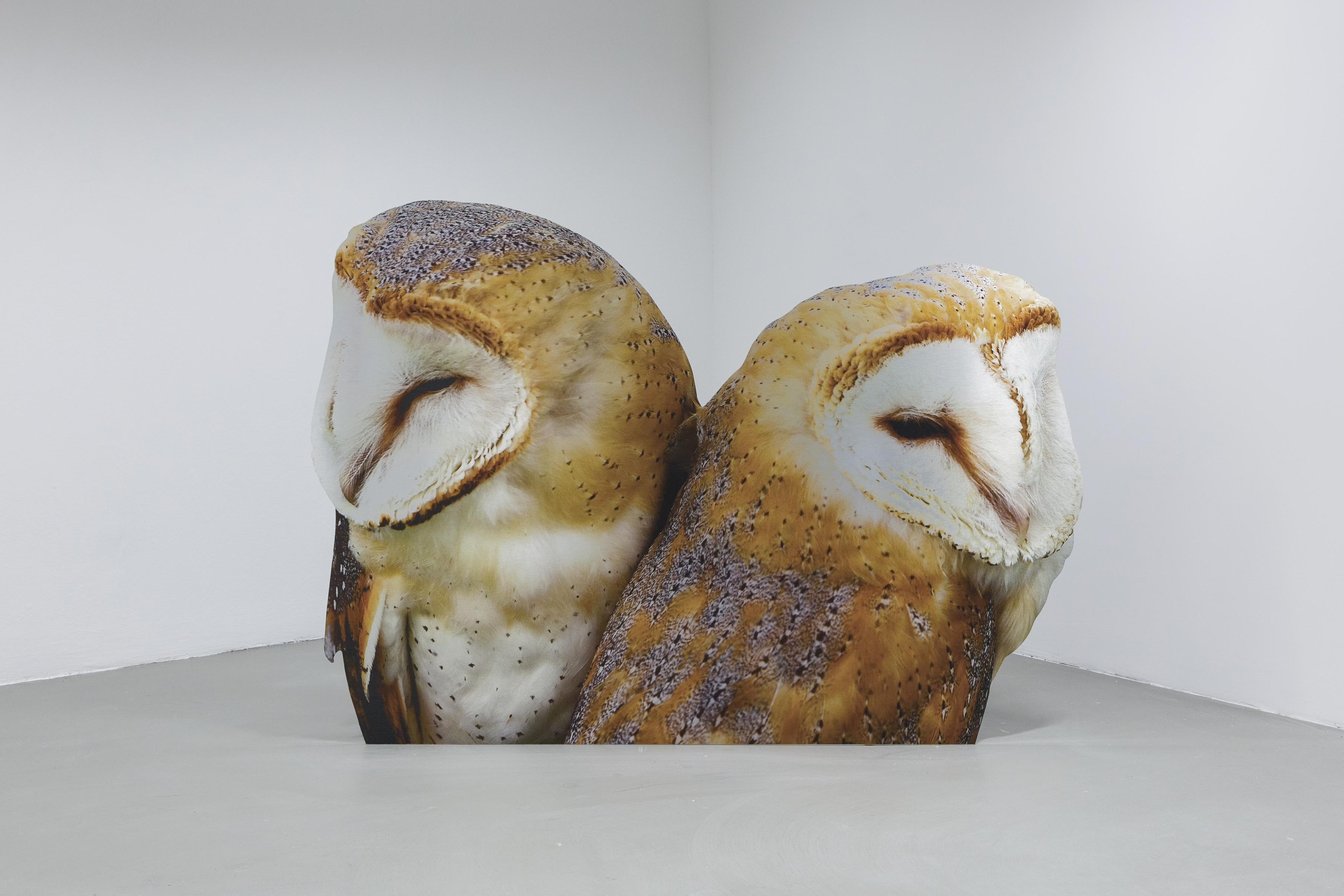
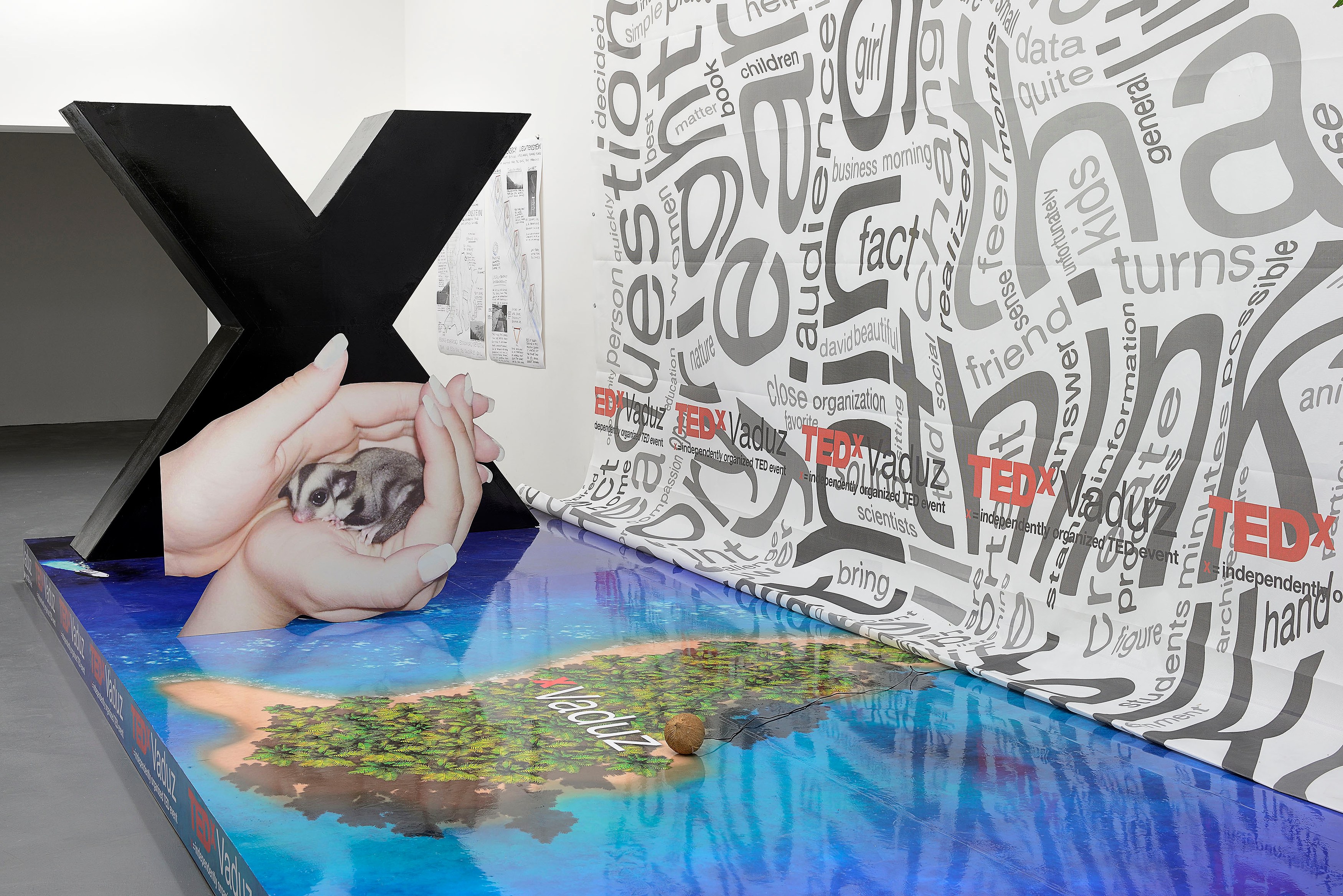
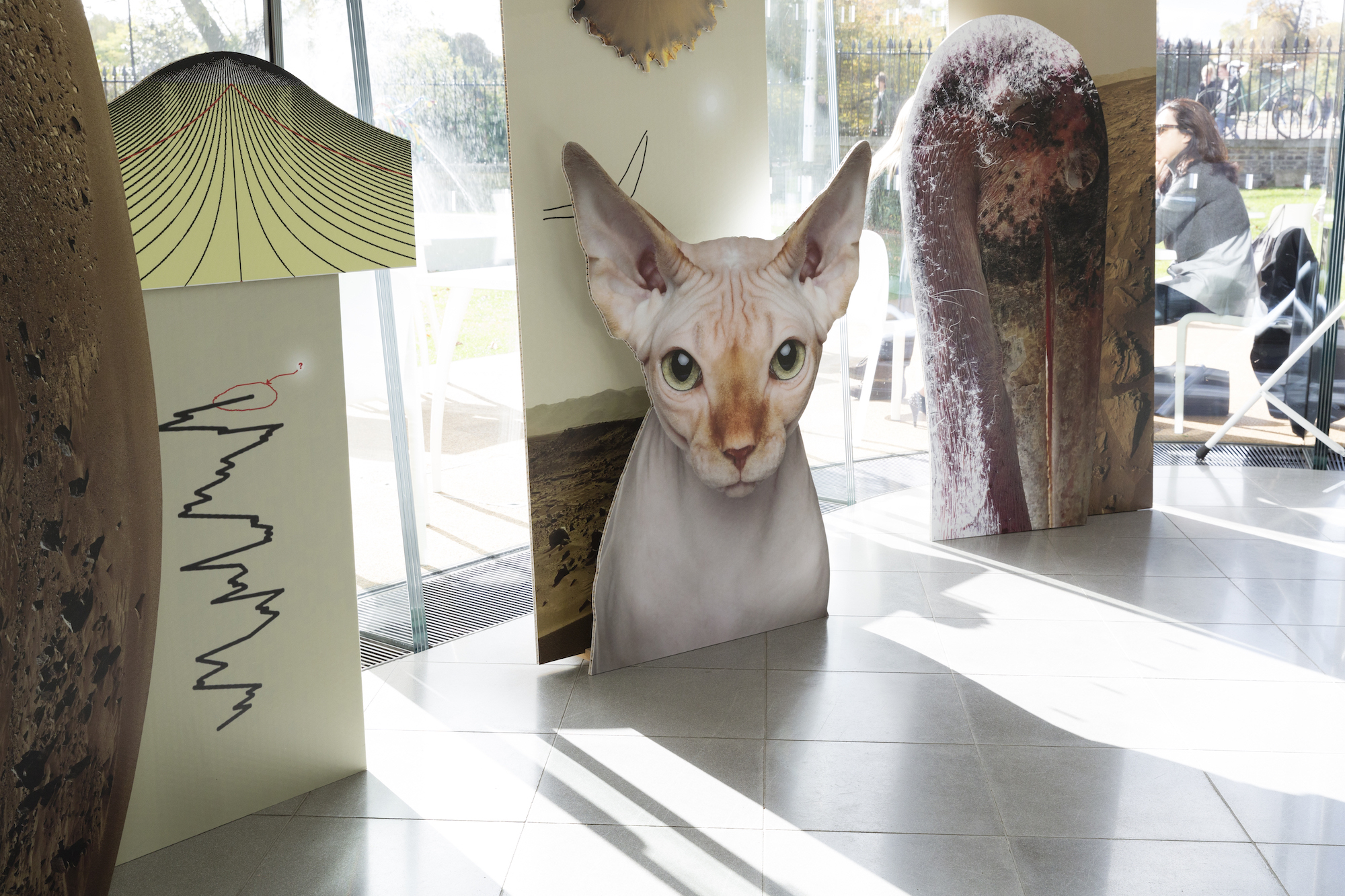
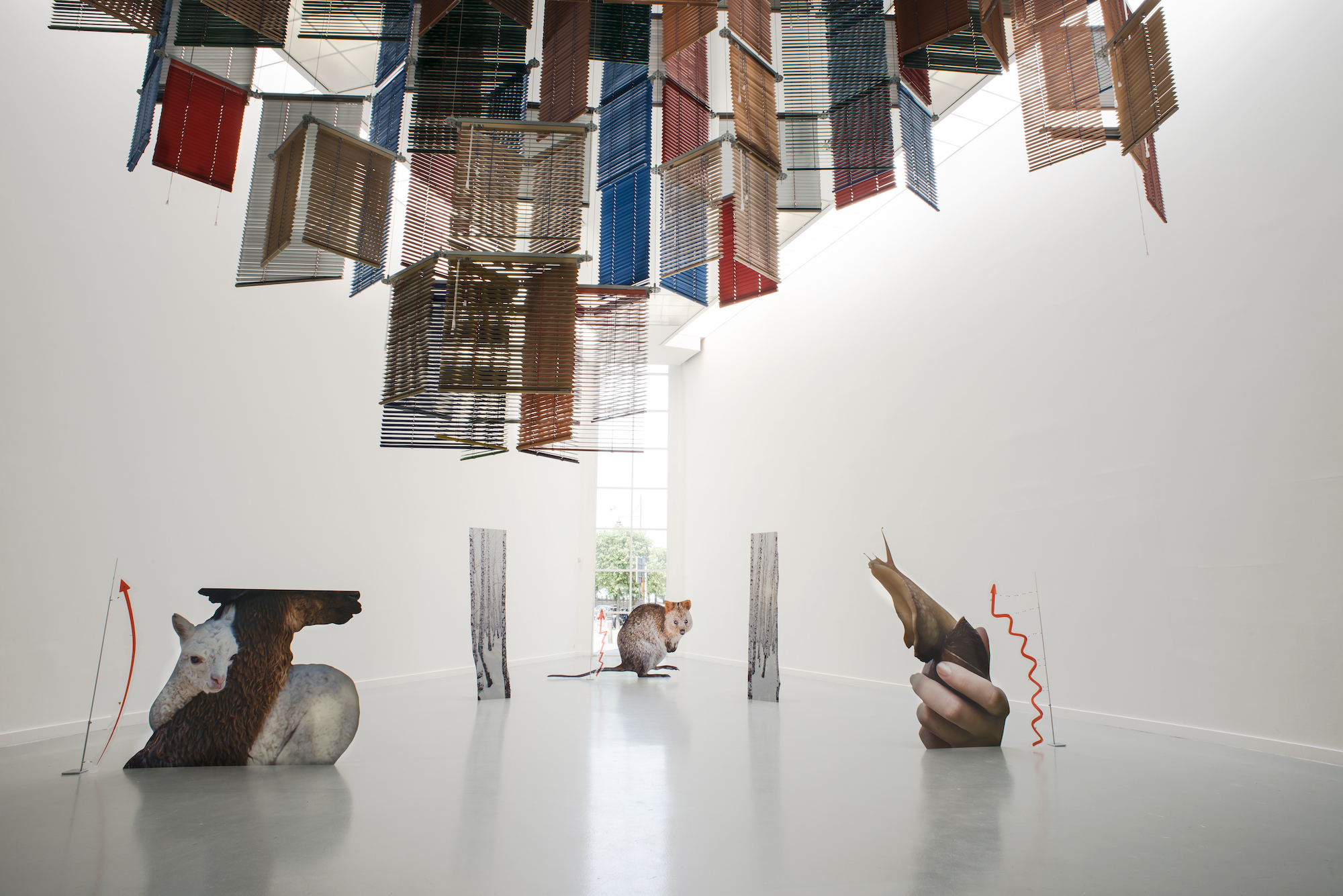
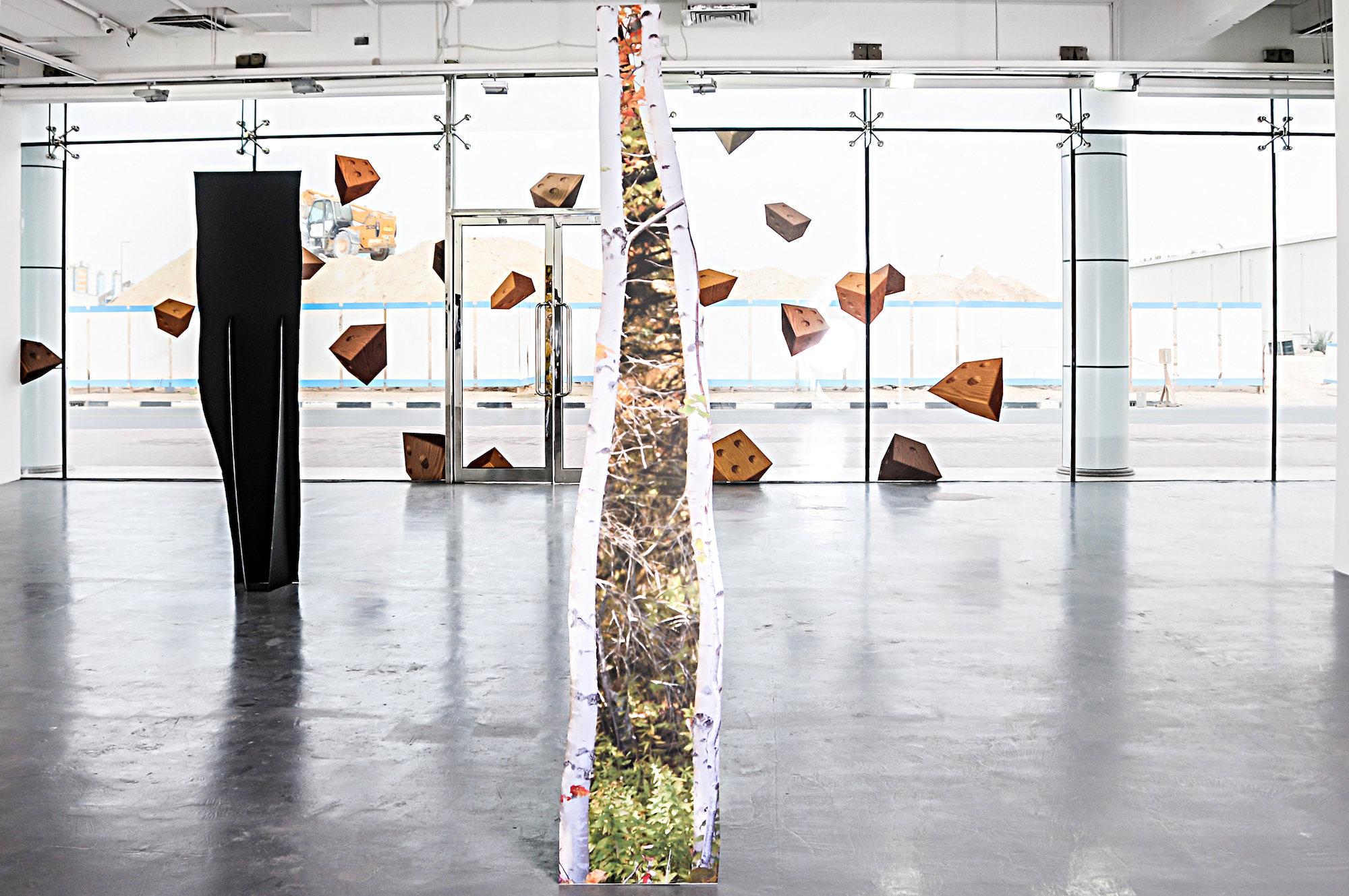
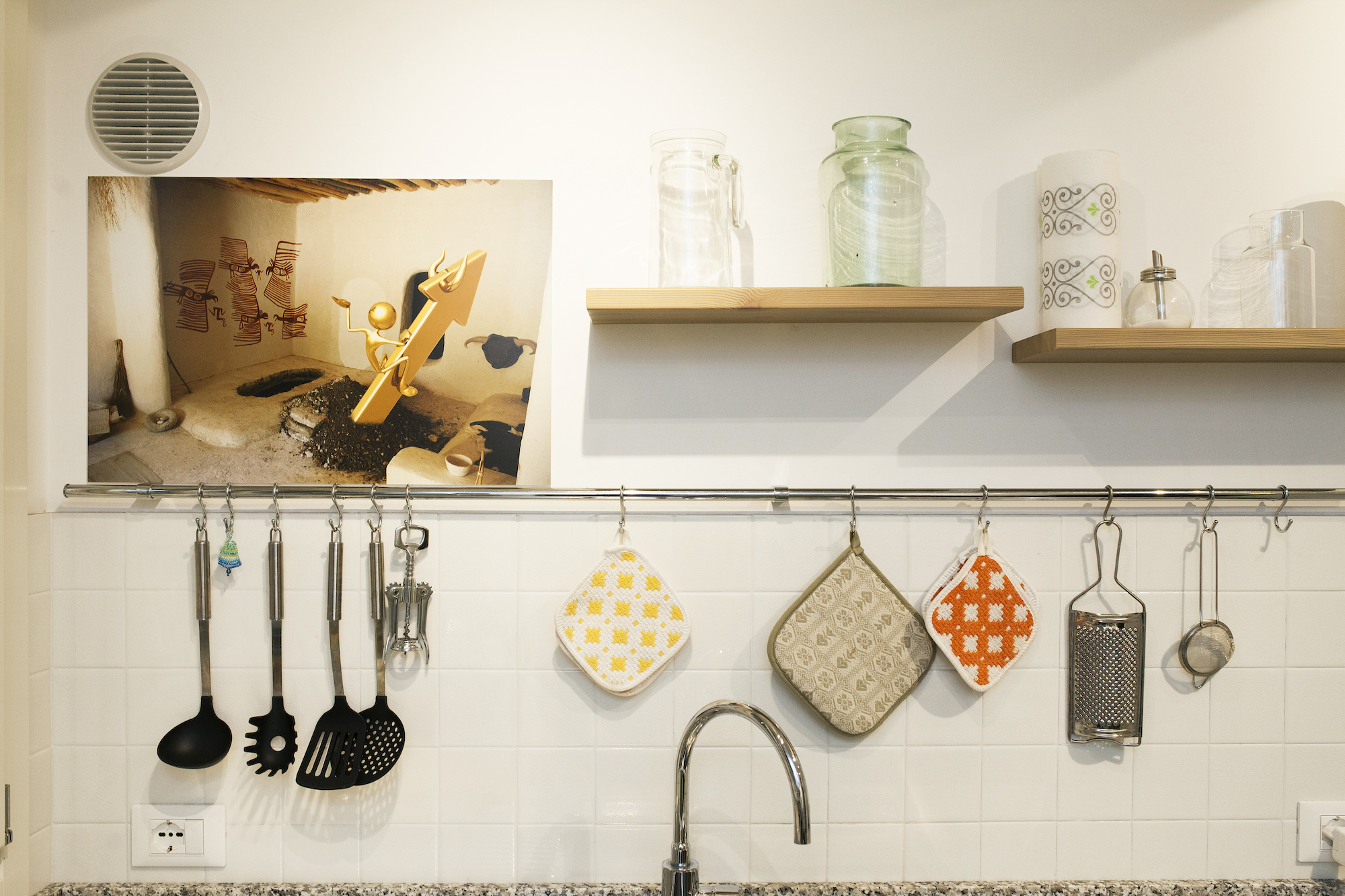
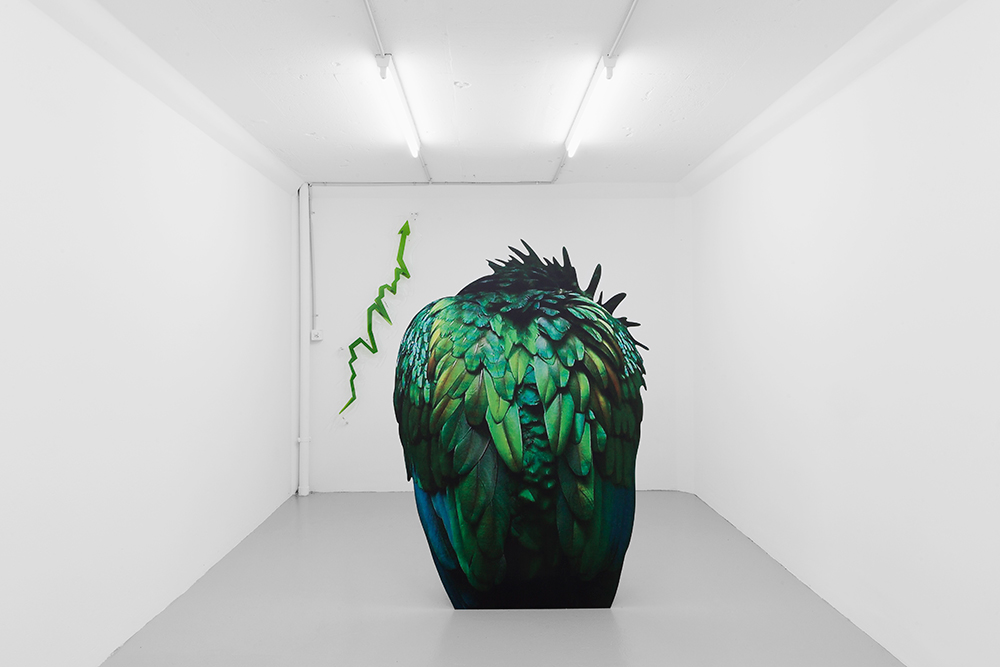
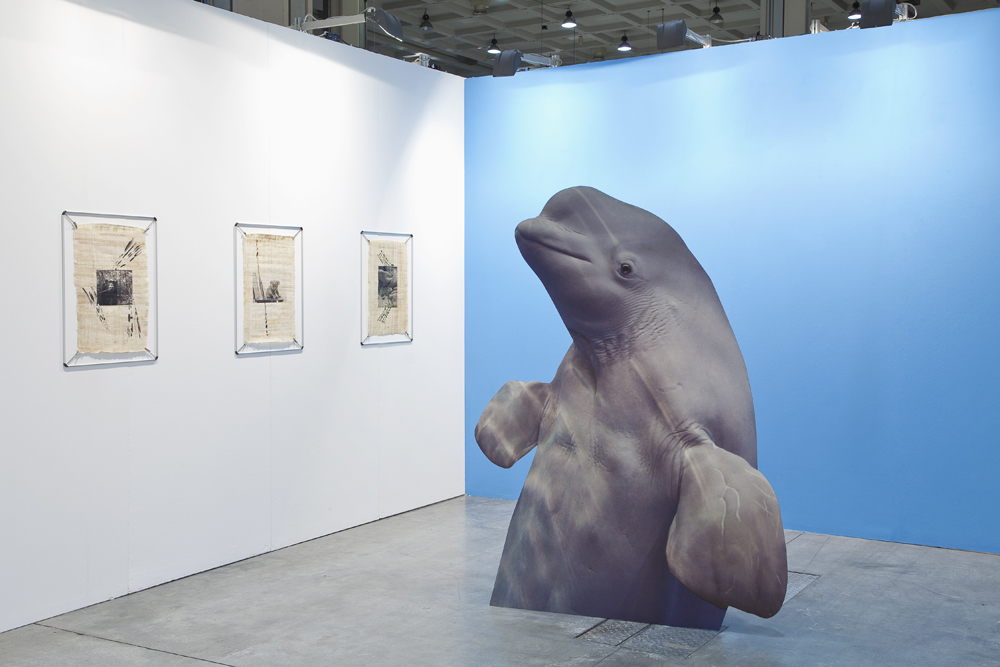
The work of Katja Novitskova (Tallinn, 1984) revolves around the relationship between ecology and technology, around the meaning of images in relation to biology and human evolution. She sees the human penchant for (making) images as an expression of the relentless expansionism of the human species. The fascination with appropriating whatever landscape, natural environment, or entity by visualising it and thereby mapping it underlies Novitskova's work.
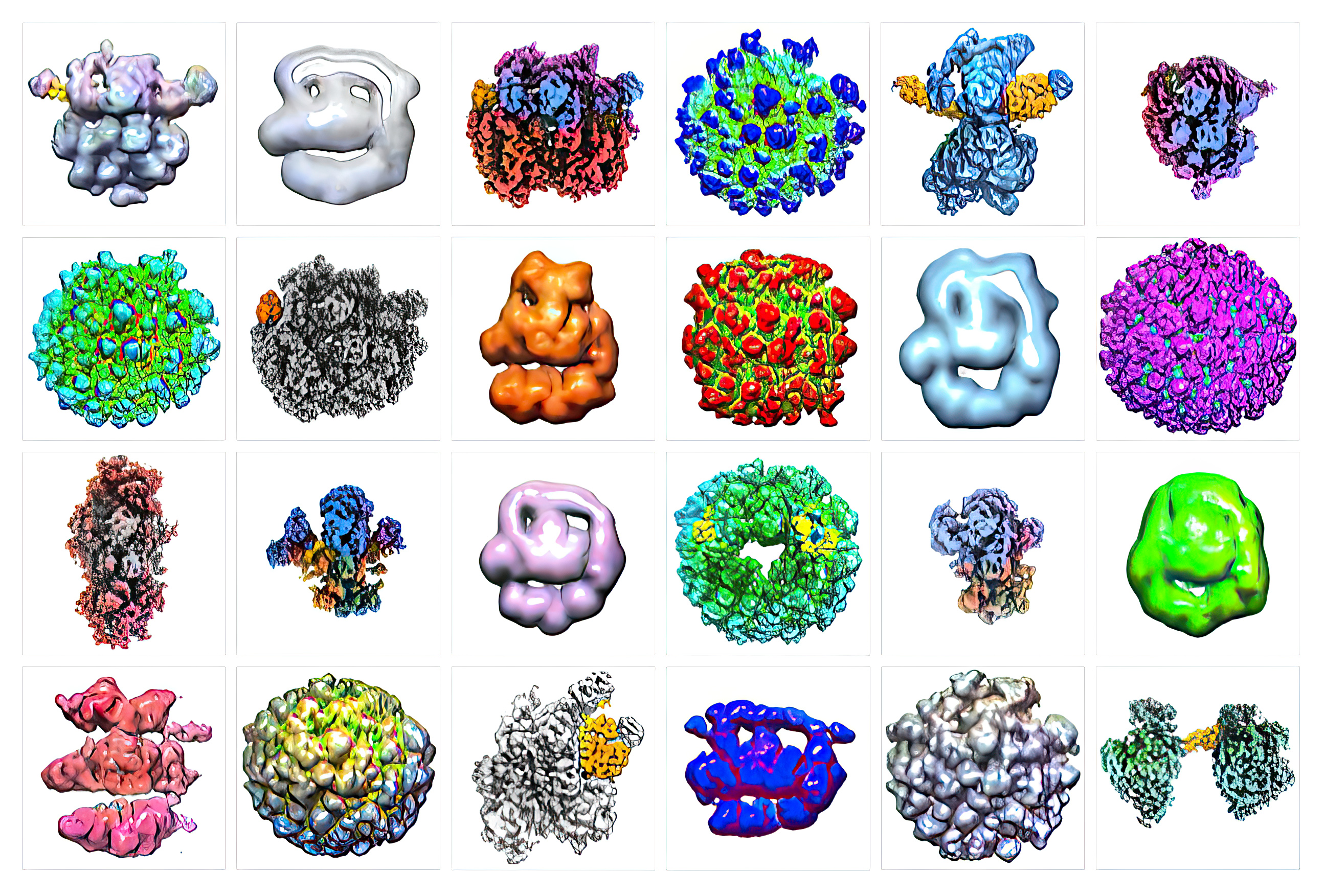
Today, more than ever, there exists an unprecedented abundance of raw data, encapsulated and disseminated through media artefacts. It is precisely these digital chronicles that are the source of Katja Novitskova’s inspiration. Everything we think we know from scientific research is potentially of interest to Novitskova. The source of this knowledge, such as scientific papers and online databases, forms her artistic material.
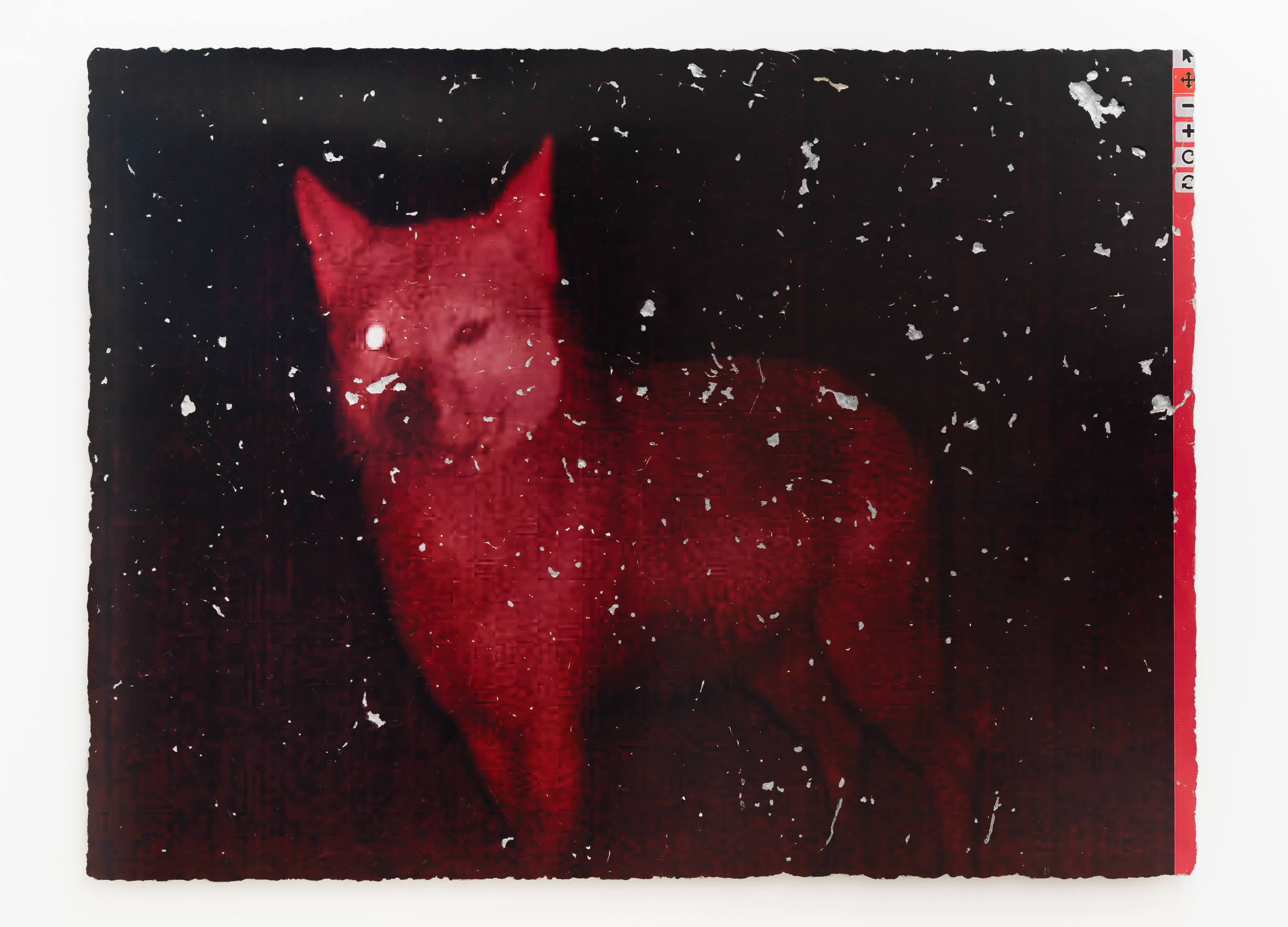
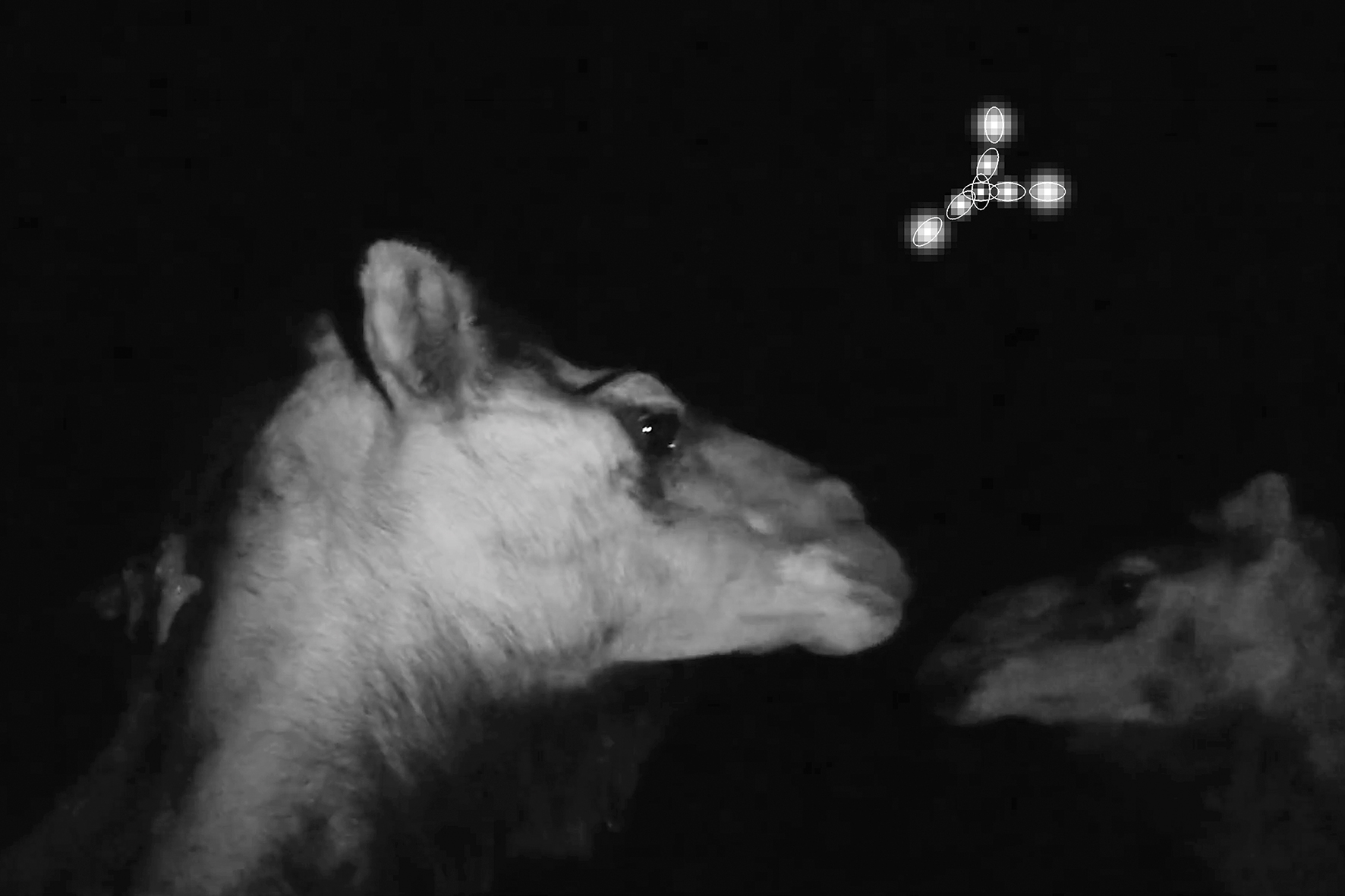
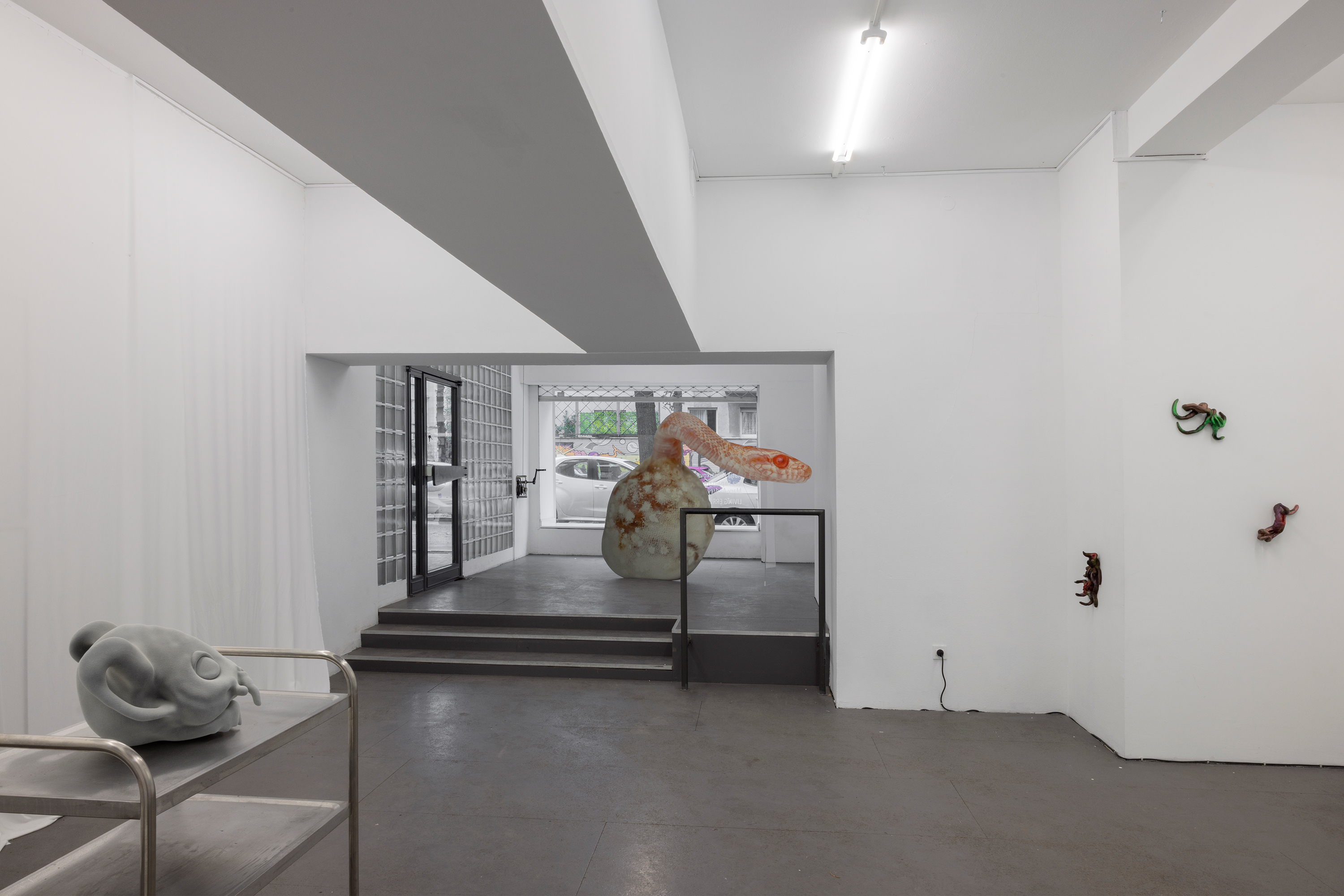
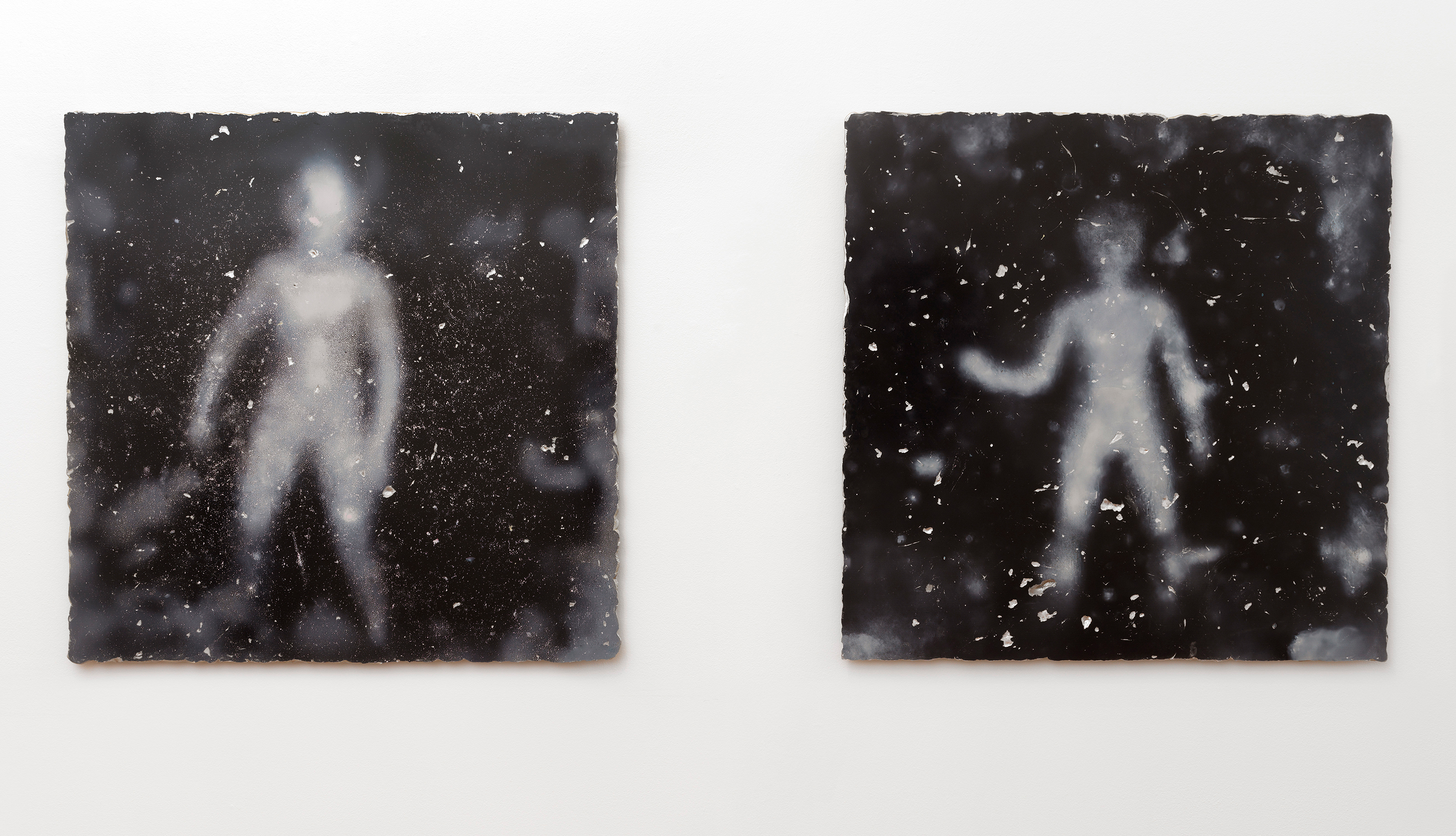
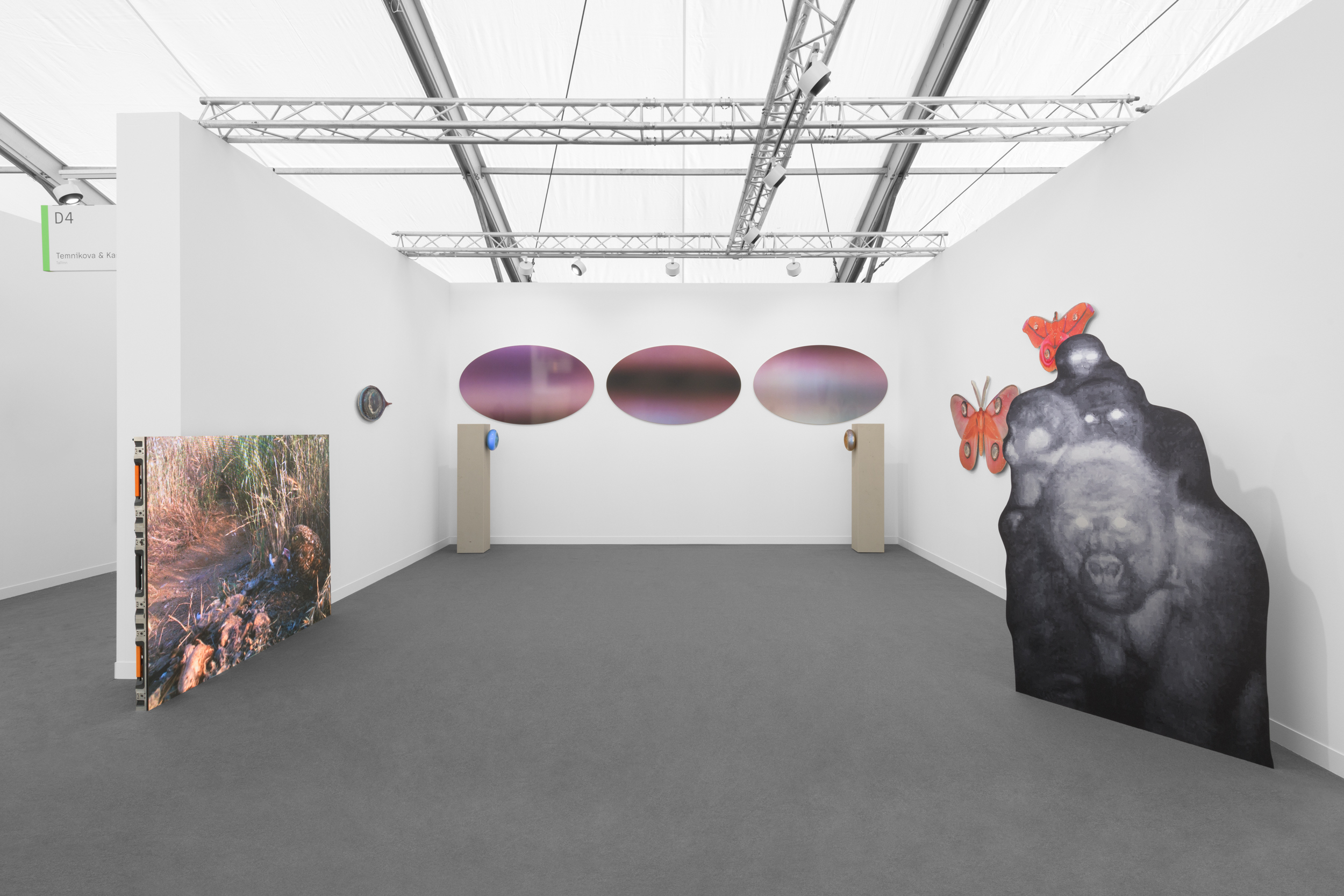
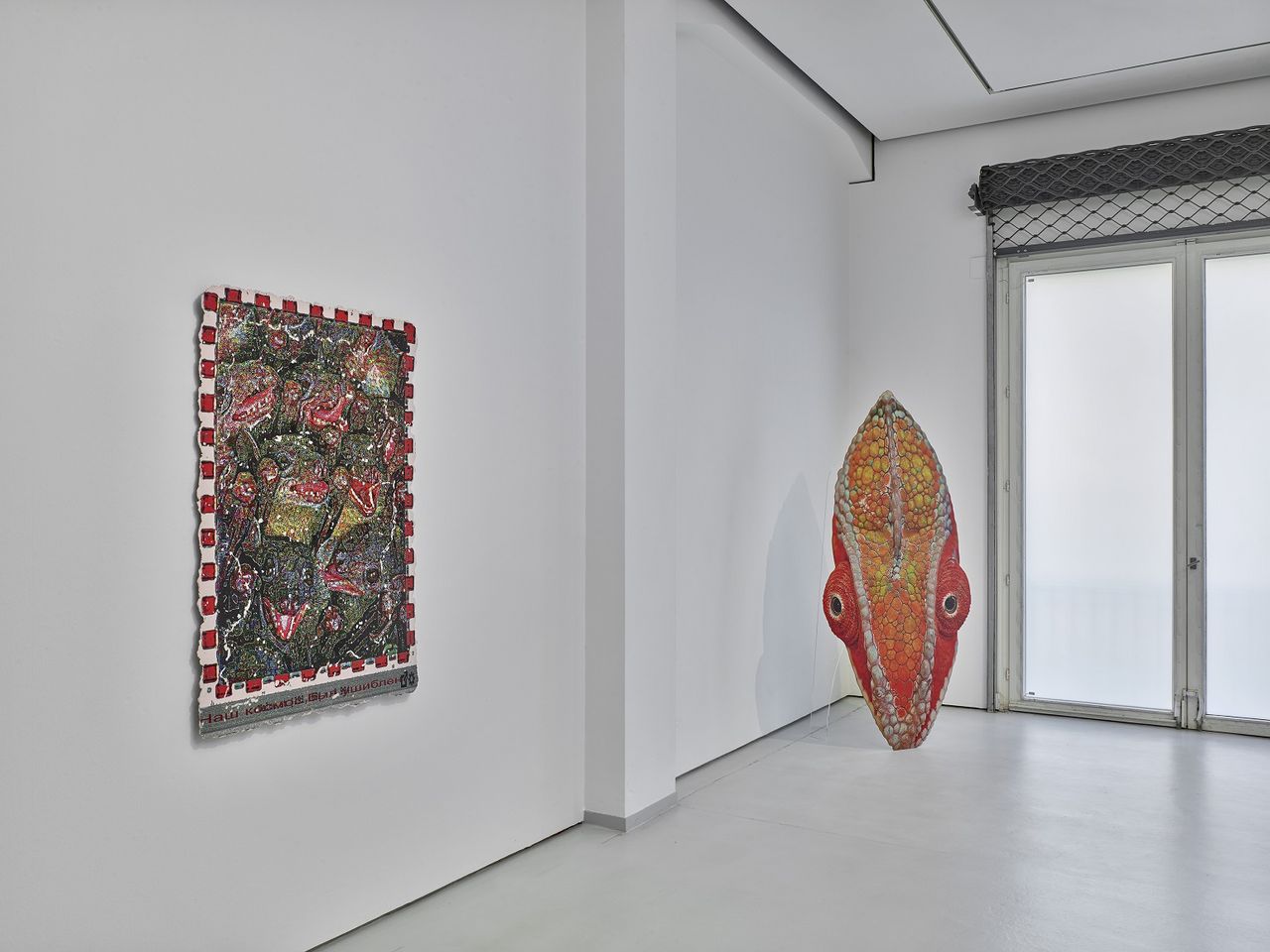
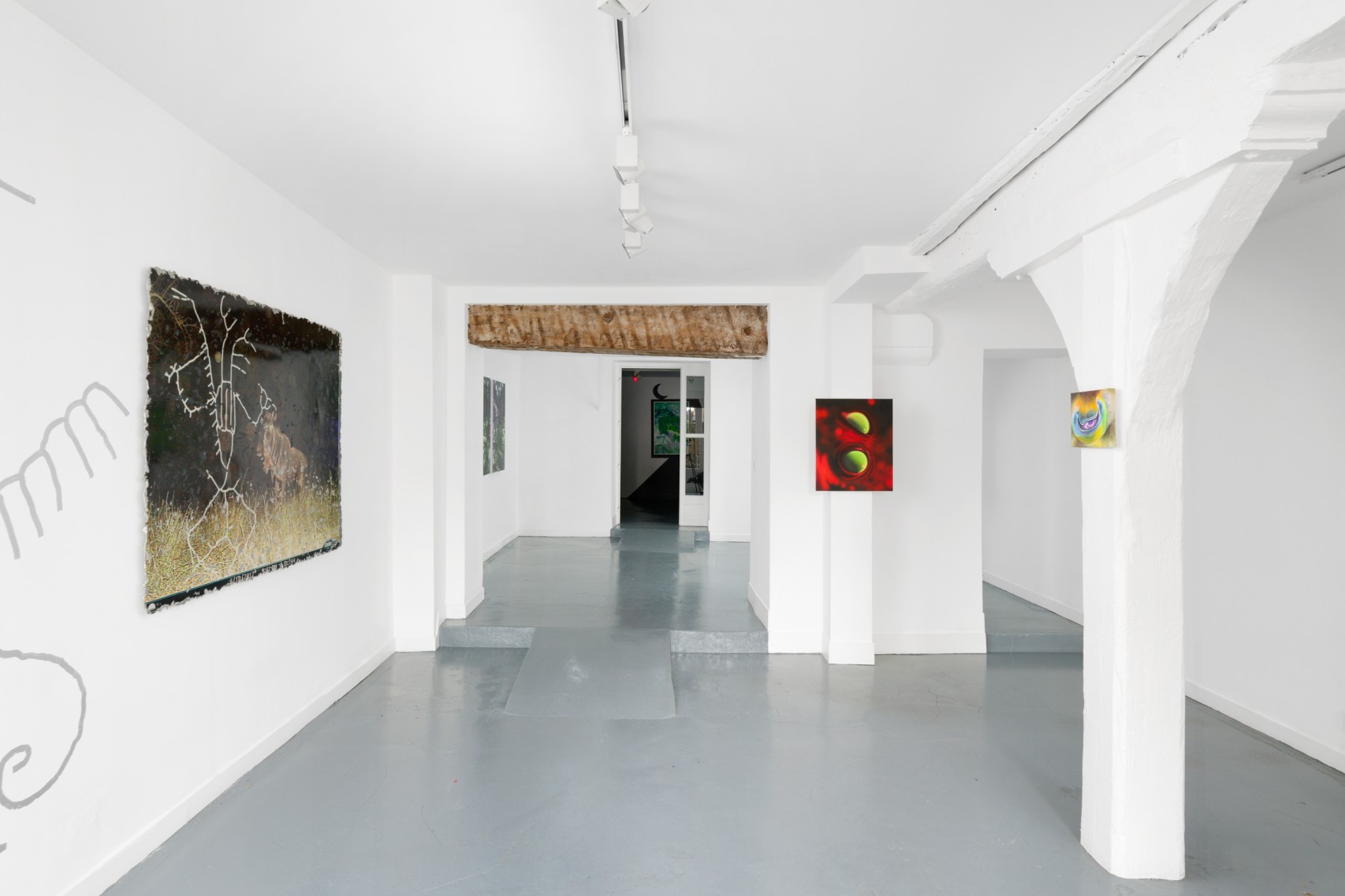
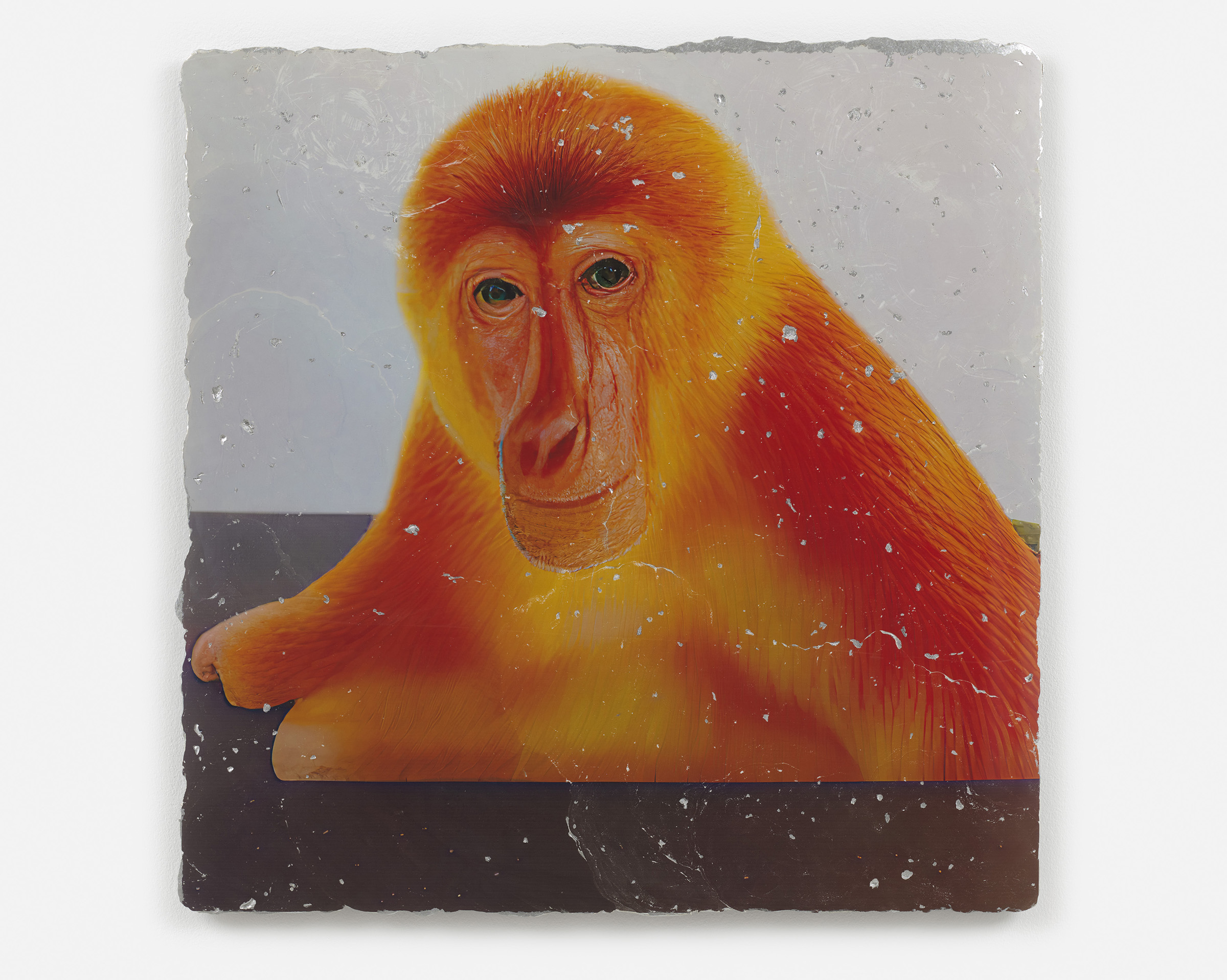
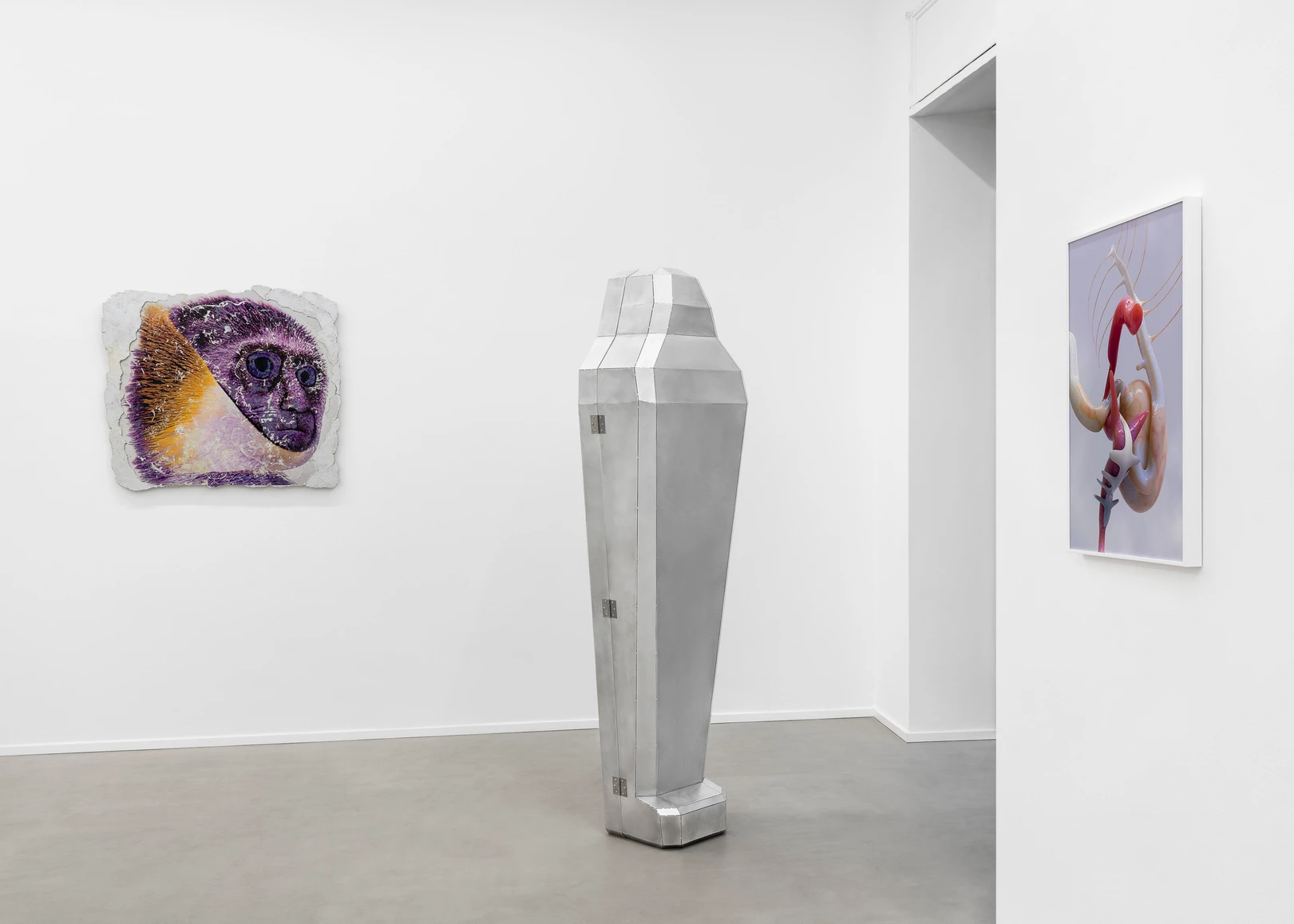
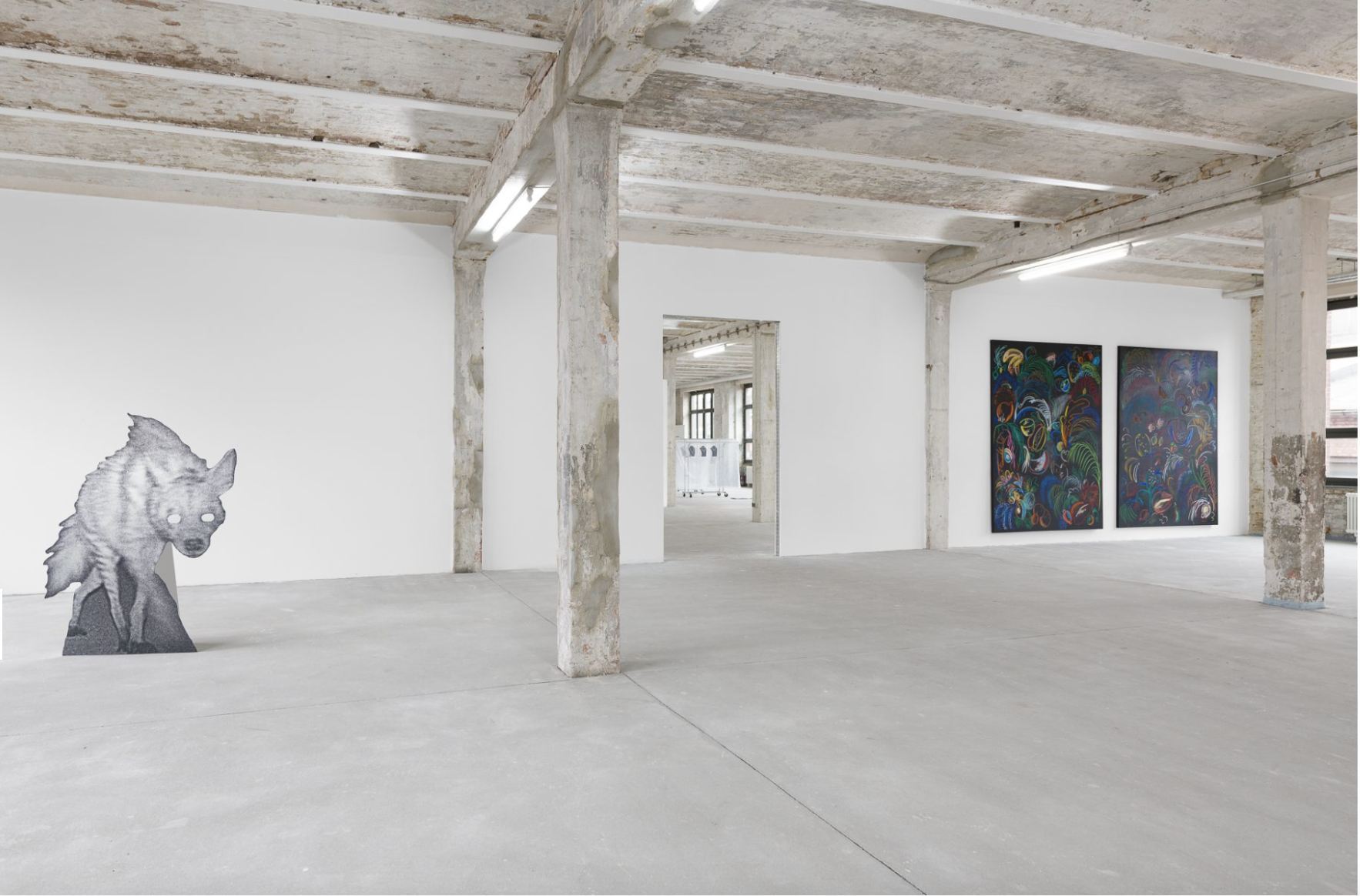
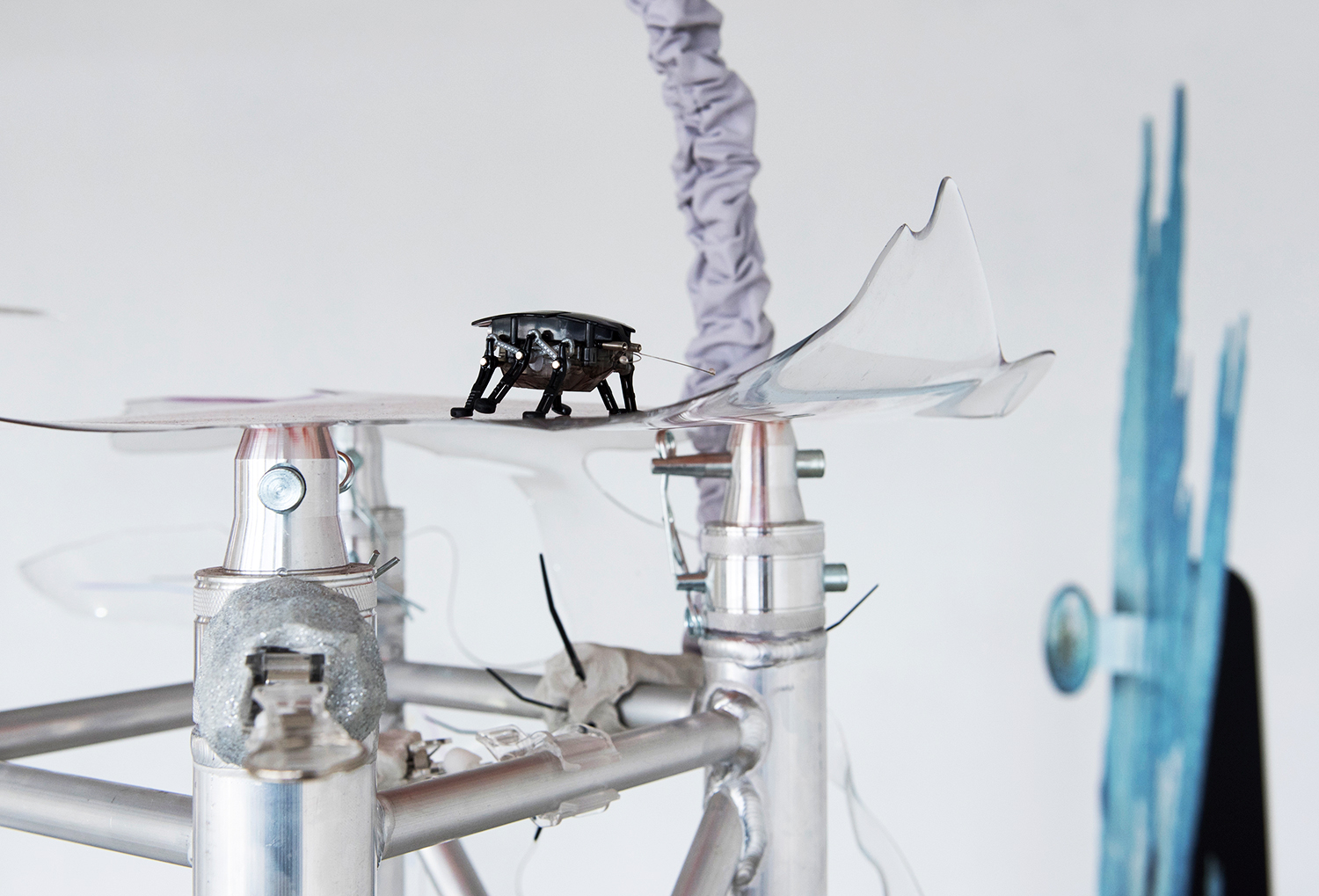
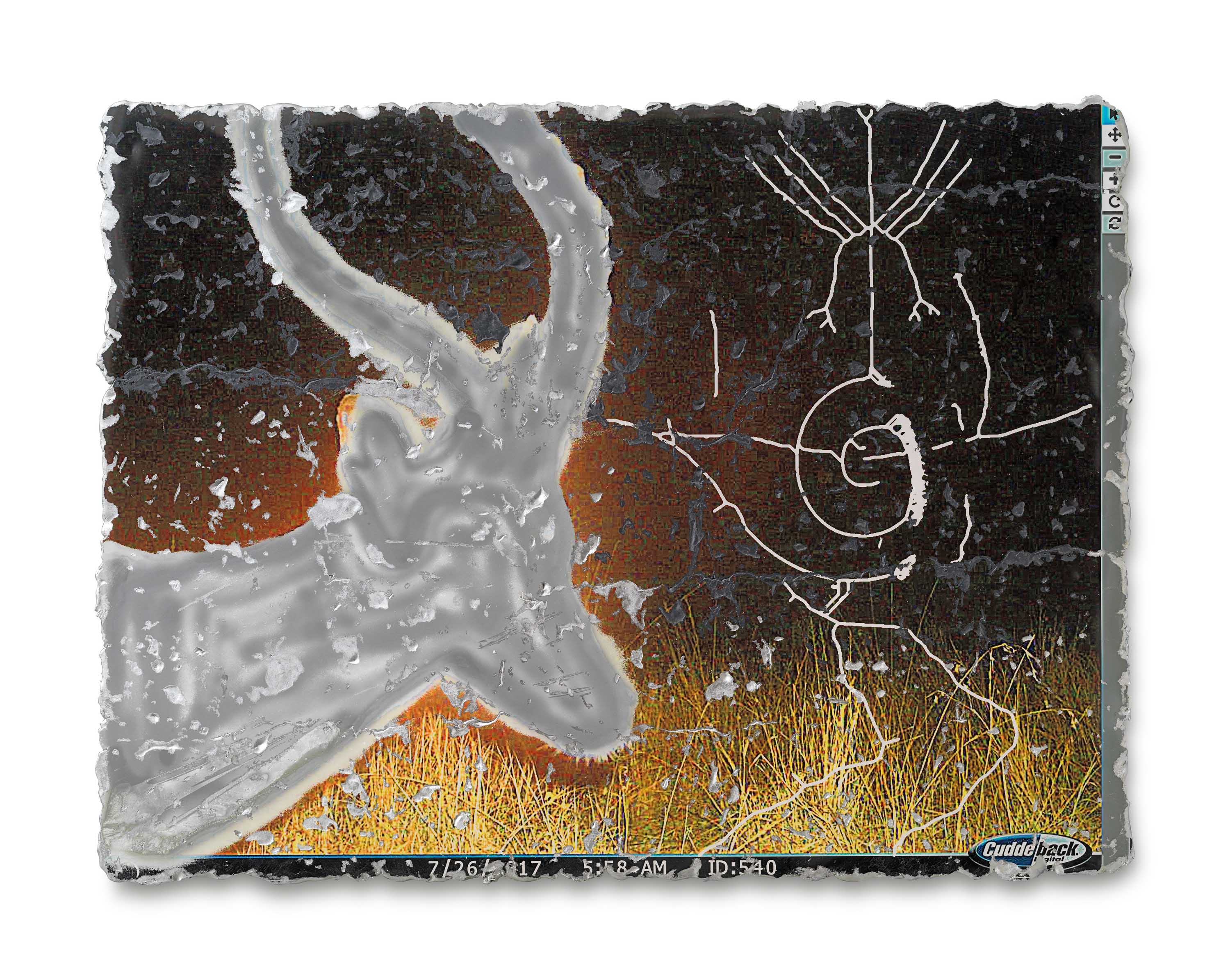
Novitskova's Earthware series is included in the exhibition. Earthware is based on databases of large numbers of images captured by wildlife cameras for research purposes. Placed in the middle of nature, deep in forests or sometimes even in oceans, these cameras produce massive amounts of photo sequences. Before an algorithm can process the bulk of the photos, it has to learn pattern recognition from humans, who index the initial images.
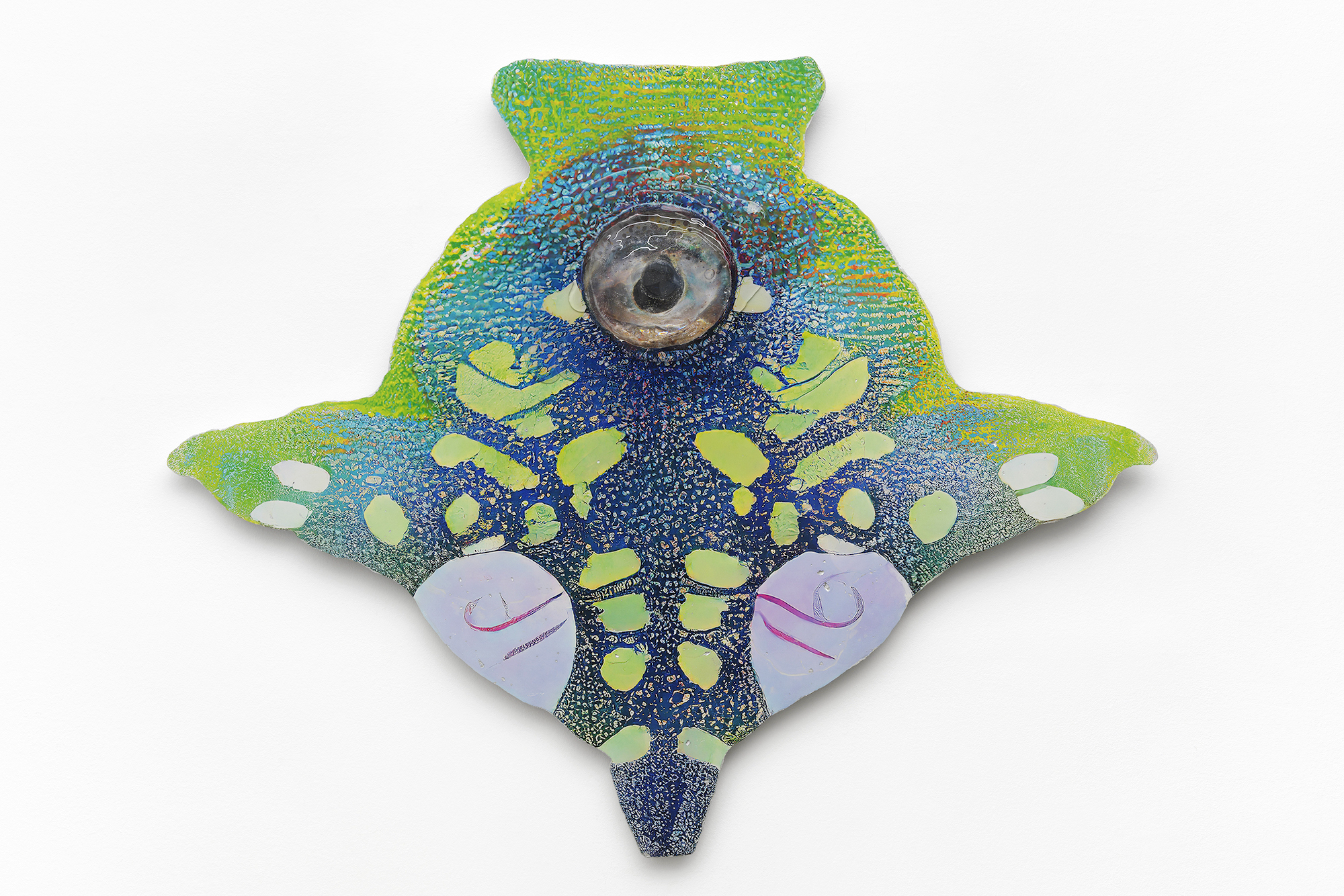
Novitskova dove into these databases and helped with indexing. She also discovered beautiful examples among the automated images, although that isn’t the primary function of wildlife cameras. She transferred these images to epoxy clay, making a reference to clay tablets and other prehistoric image carriers.
Pattern of Activation (Gardens of the Galaxy)
“1’ 13'' loop, 4:3, 2400px x 1800px. Music by Kareem Lotfy.
-web.jpg)
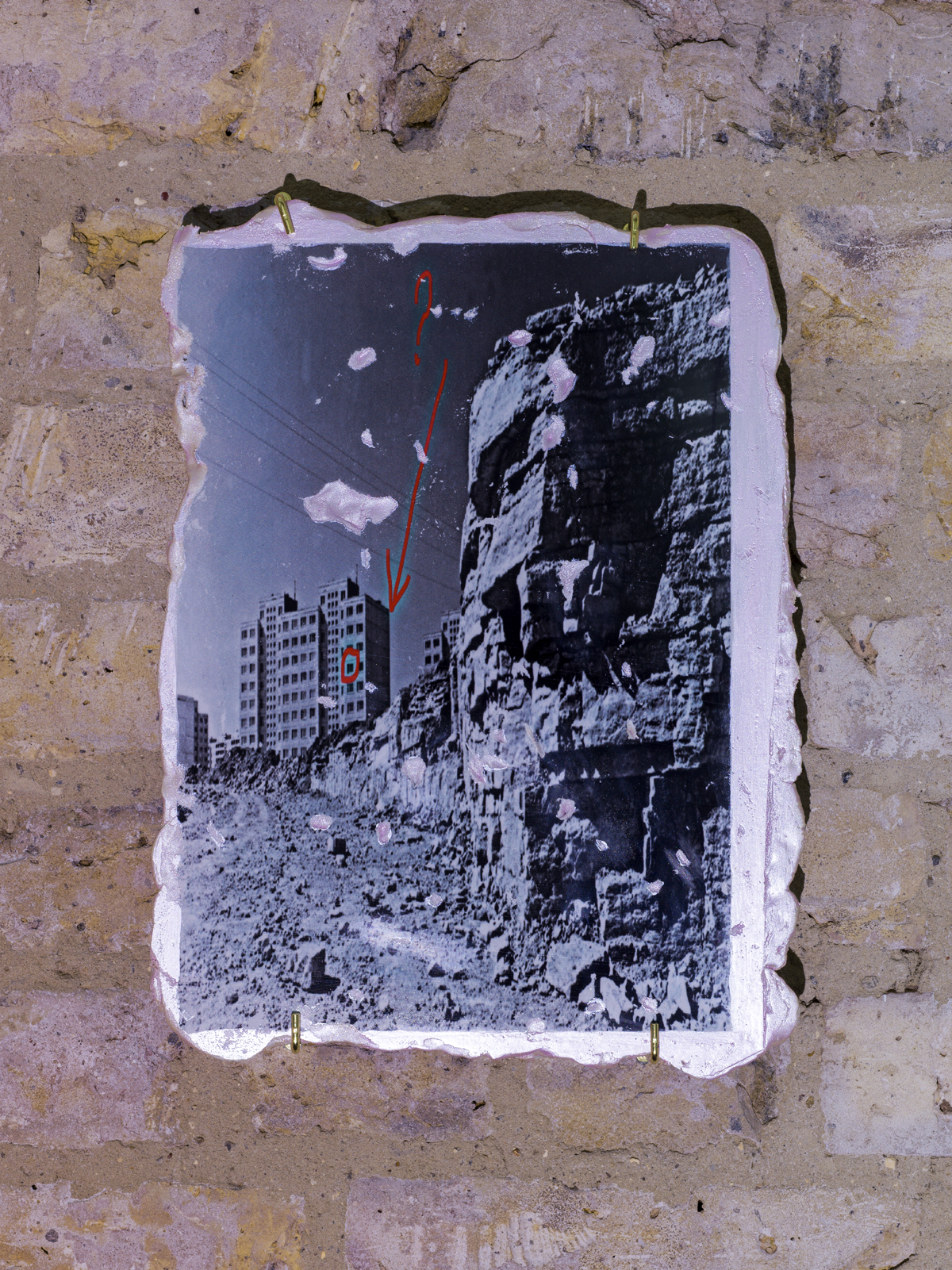
Annual Report (Lasnamae)
UV-resistant ink transfer onto epoxy clay, nail polish 34 x 25 x 1 cm Unique
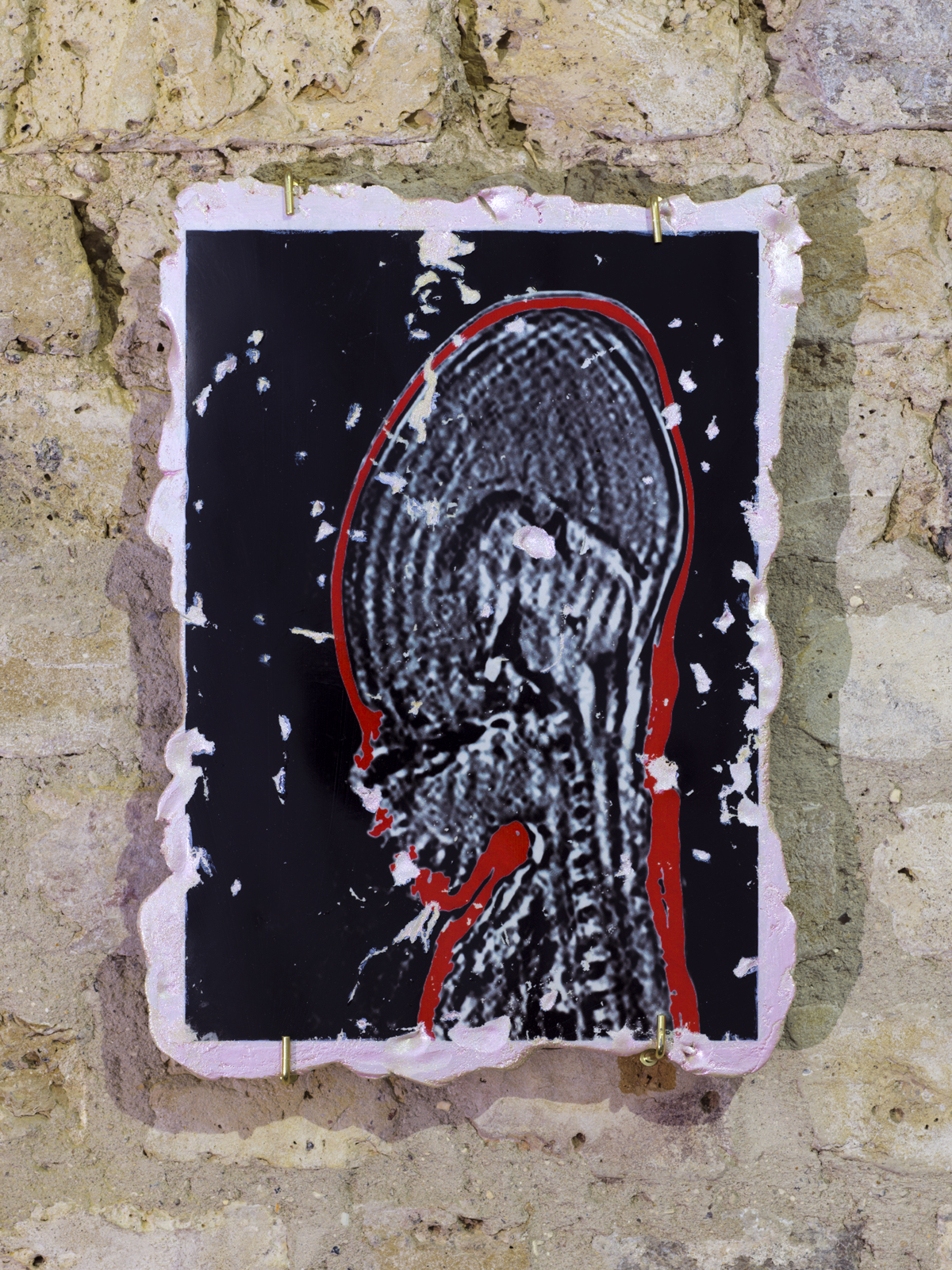
Annual Report (Child)
UV-resistant ink transfer onto epoxy clay, nail polish 34 x 25 x 1 cm Unique
Annual Report (Hurricane)
UV-resistant ink transfer onto epoxy clay, nail polish 34 x 25 x 1 cm Unique

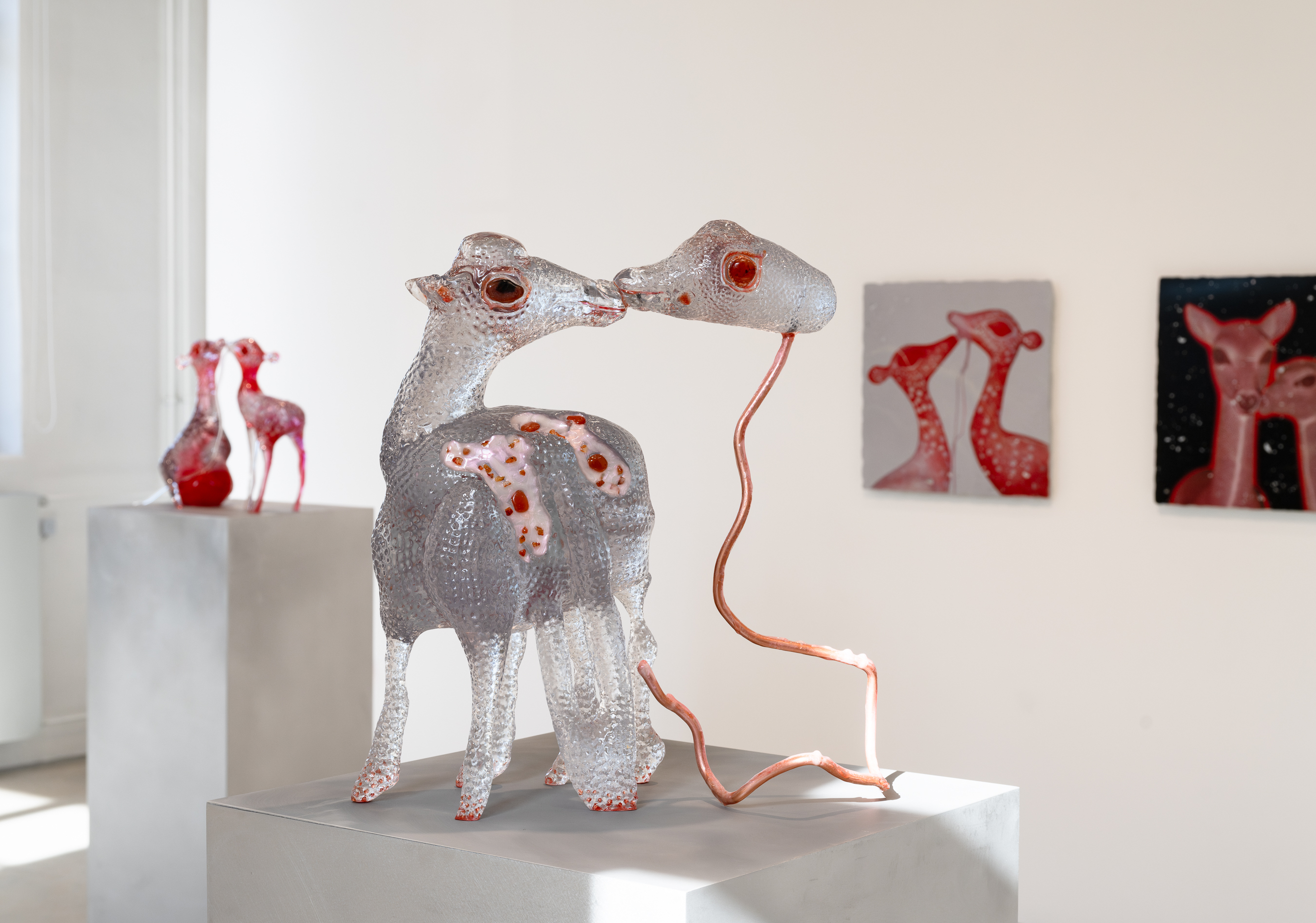
Earthware (driverless car seeing a deer for the first time 4)
UV-resistant ink transfer onto epoxy clay, nail polish, aluminium frame. 120 x 160 x 3 cm. Unique.

Earthware (driverless car seeing a deer for the first time 3)
UV-resistant ink transfer onto epoxy clay, nail polish, aluminium frame 120 x 160 x 3 cm unique
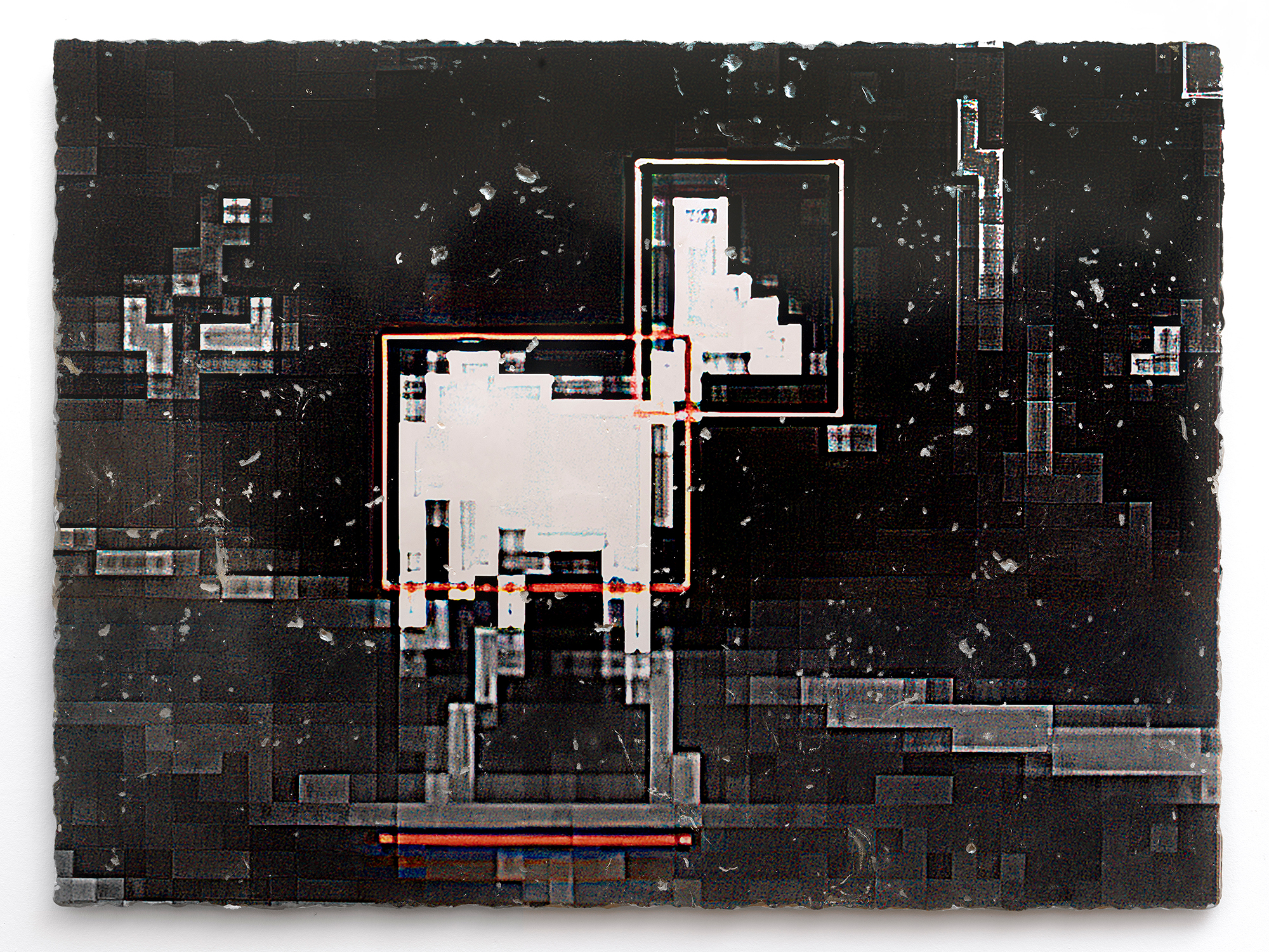
Earthware (dolphin vision as imagined by a human and an algorithm 02)
UV-resistant ink transfer onto epoxy clay, nail polish, aluminium frame 100 x 100 x 3 cm unique
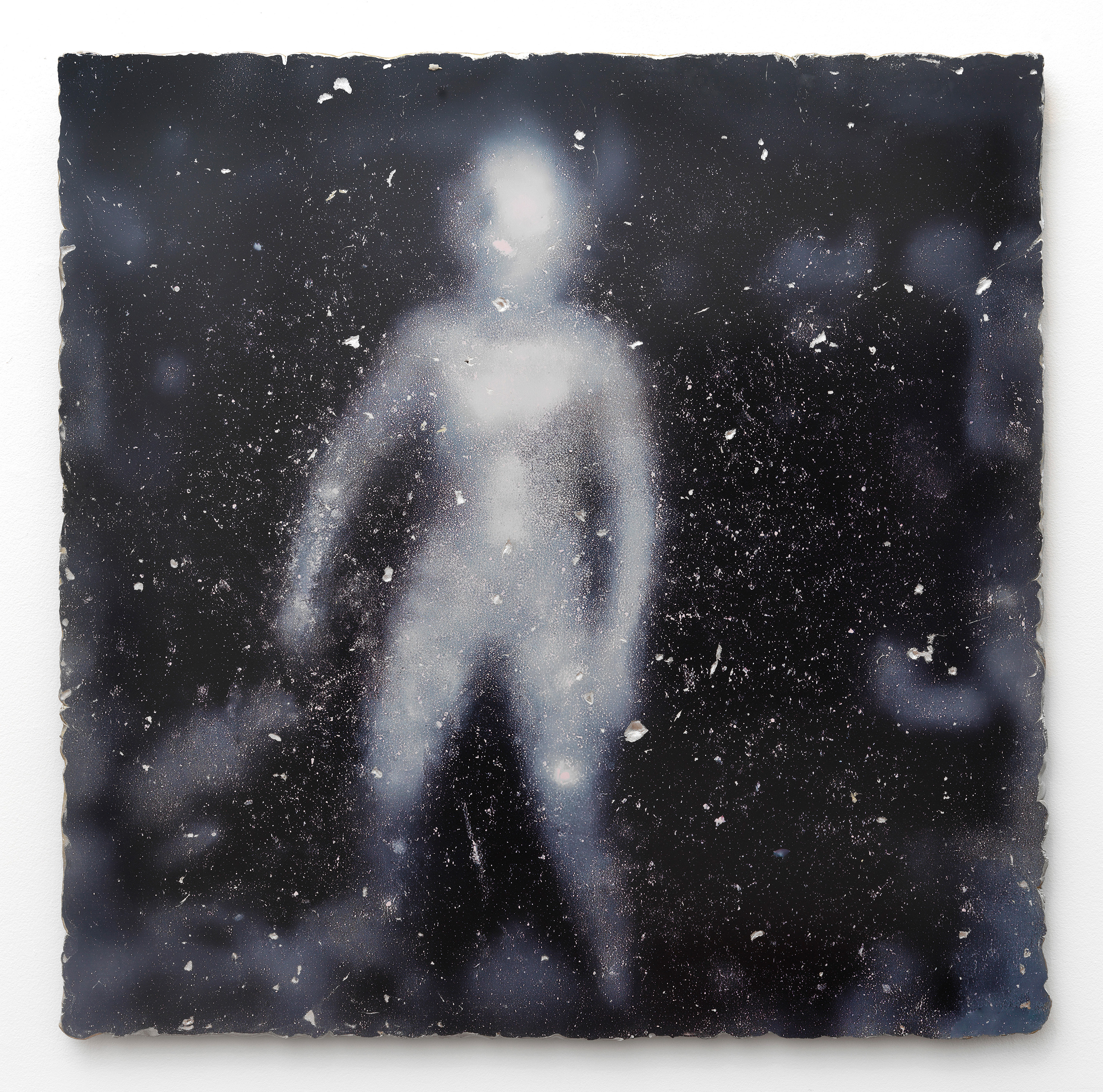
Earthware (dolphin vision as imagined by a human and an algorithm 01)
UV resistant ink transfer onto epoxy clay, nail polish, aluminium frame 100 x 100 x 3 cm unique

Pattern of Activation (C. elegans)
Earthware (7/26/2017)
in collaboration with PWR, https://pwr.site/ UV-resistant ink transfer onto epoxy clay, nail polish, aluminium frame 122 x 165 x 3 cm 48 1/16 x 64 15/16 x 1 2/16 in unique
Earthware (06.13.2017)
in collaboration with PWR, https://pwr.site/ UV-resistant ink transfer onto epoxy clay, nail polish, aluminium frame 121 x 161 x 3 cm 47 10/16 x 63 6/16 x 1 2/16 in Unique

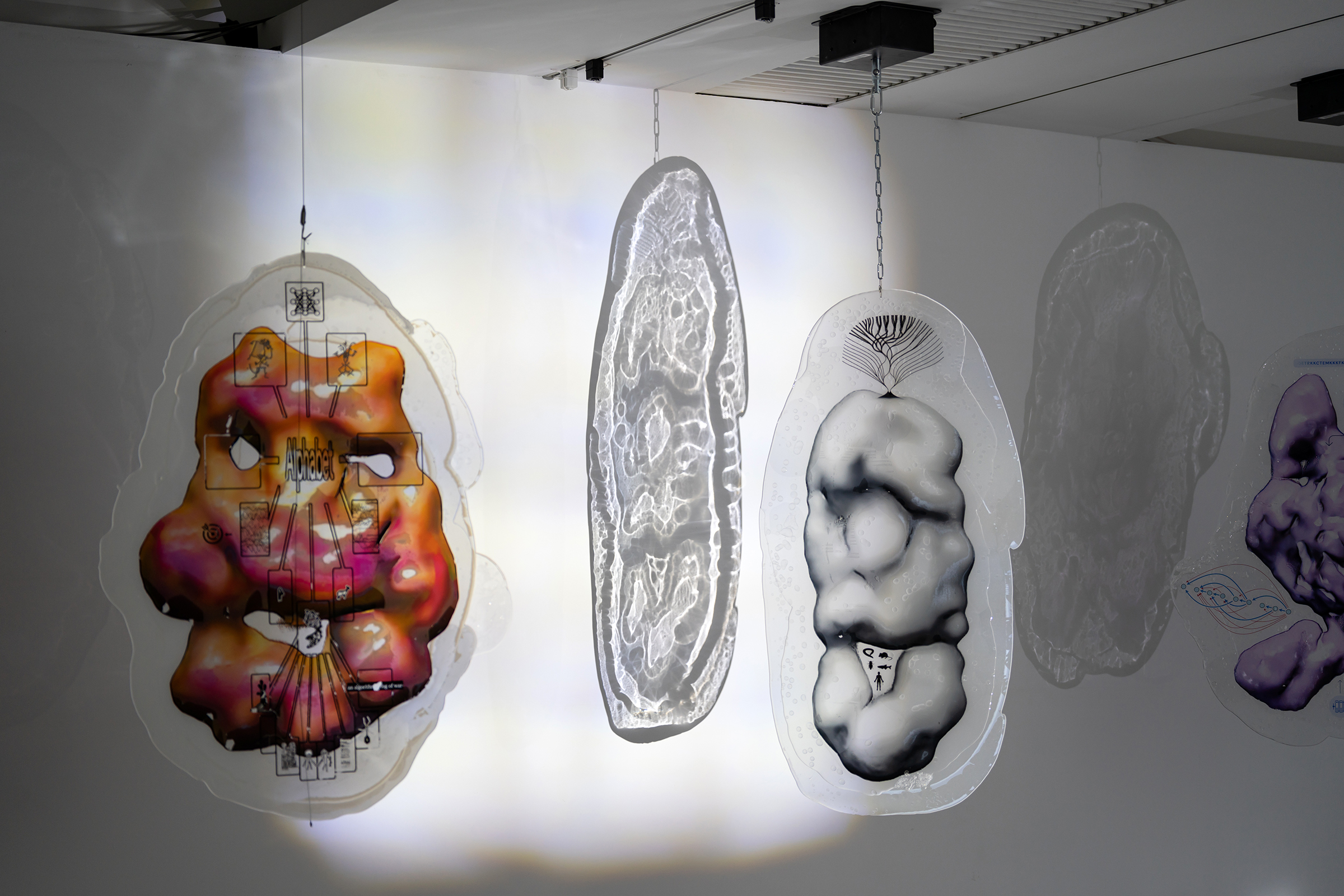
Start, bias encoded, finish
Digital print, polyurethane resin, rotating ceiling hook 70 x 154 x 0.5 cm Unique

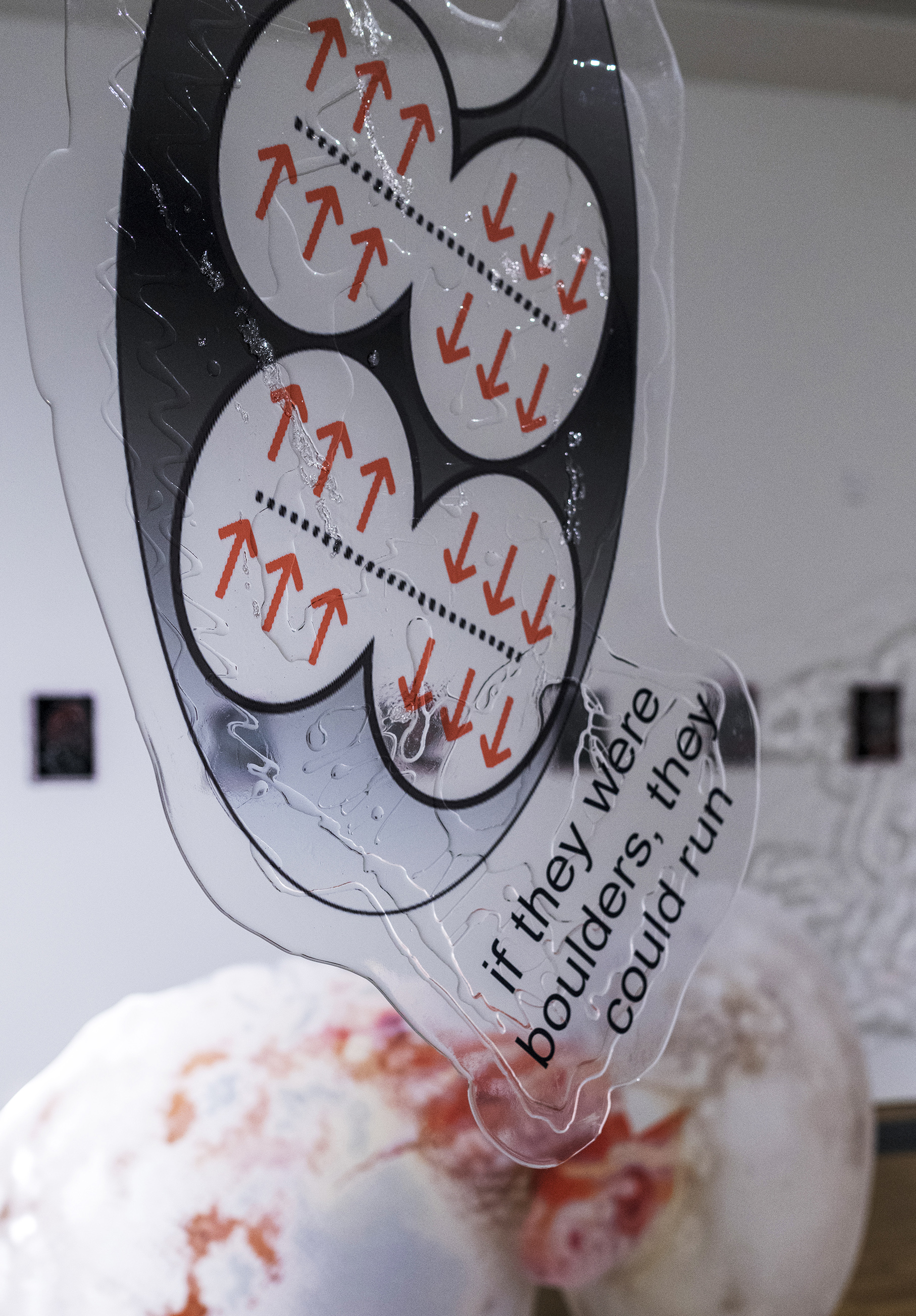
If they were boulders they could run
Digital print, polyurethane resin, rotating ceiling hook
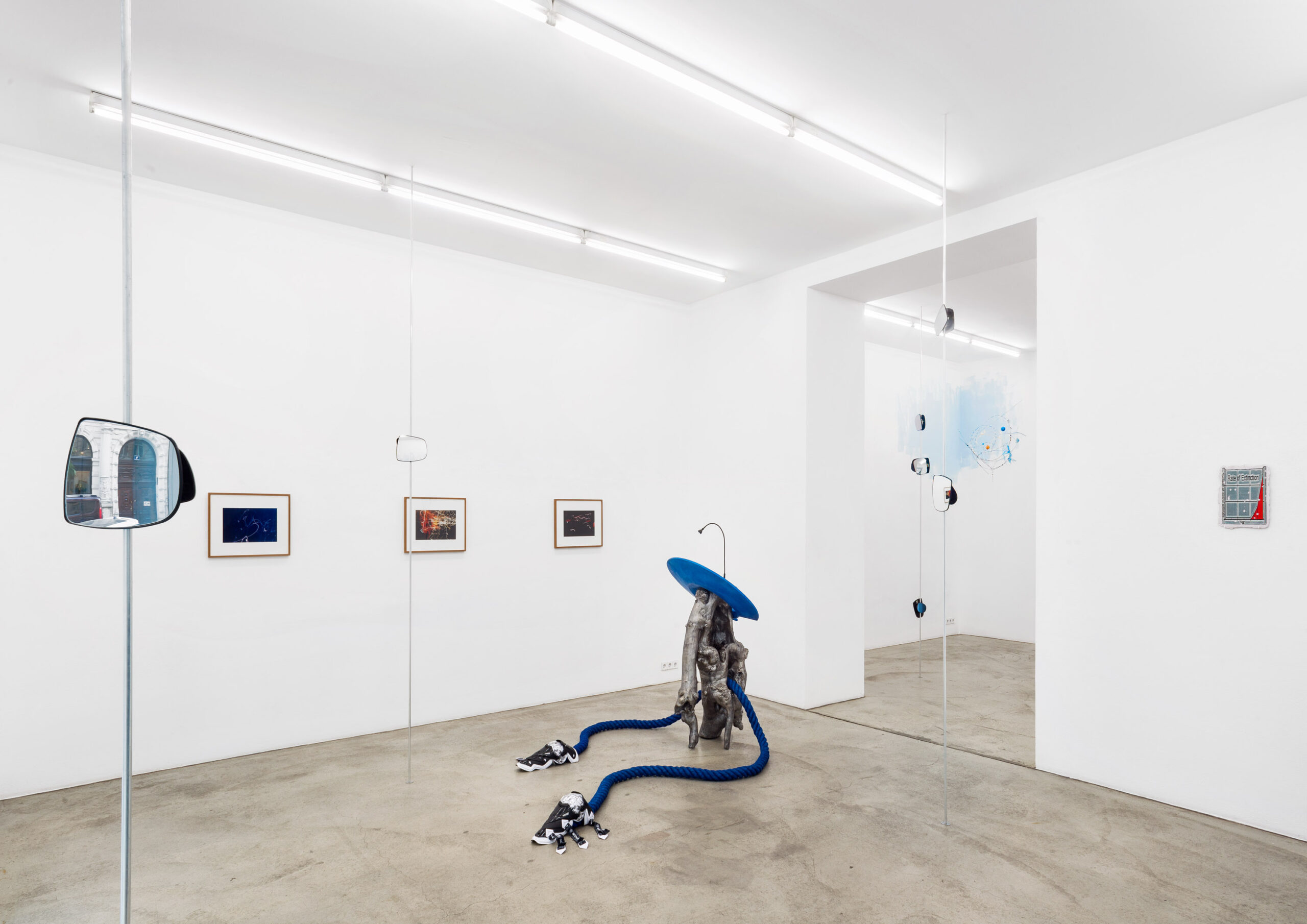
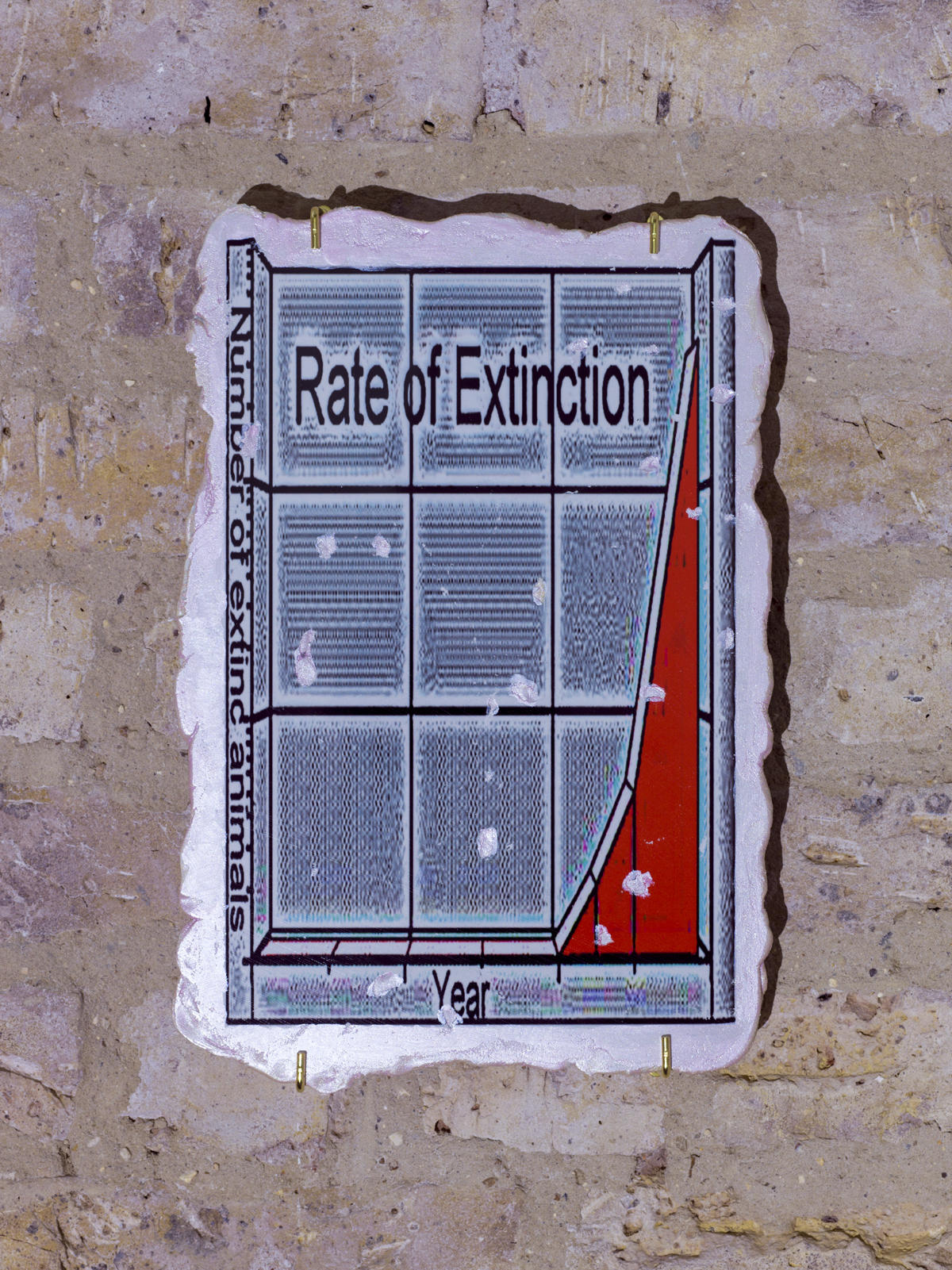
Annual Report (Rate of Extinction)
UV-resistant ink transfer onto epoxy clay, nail polish 34 x 25 x 1 cm Unique
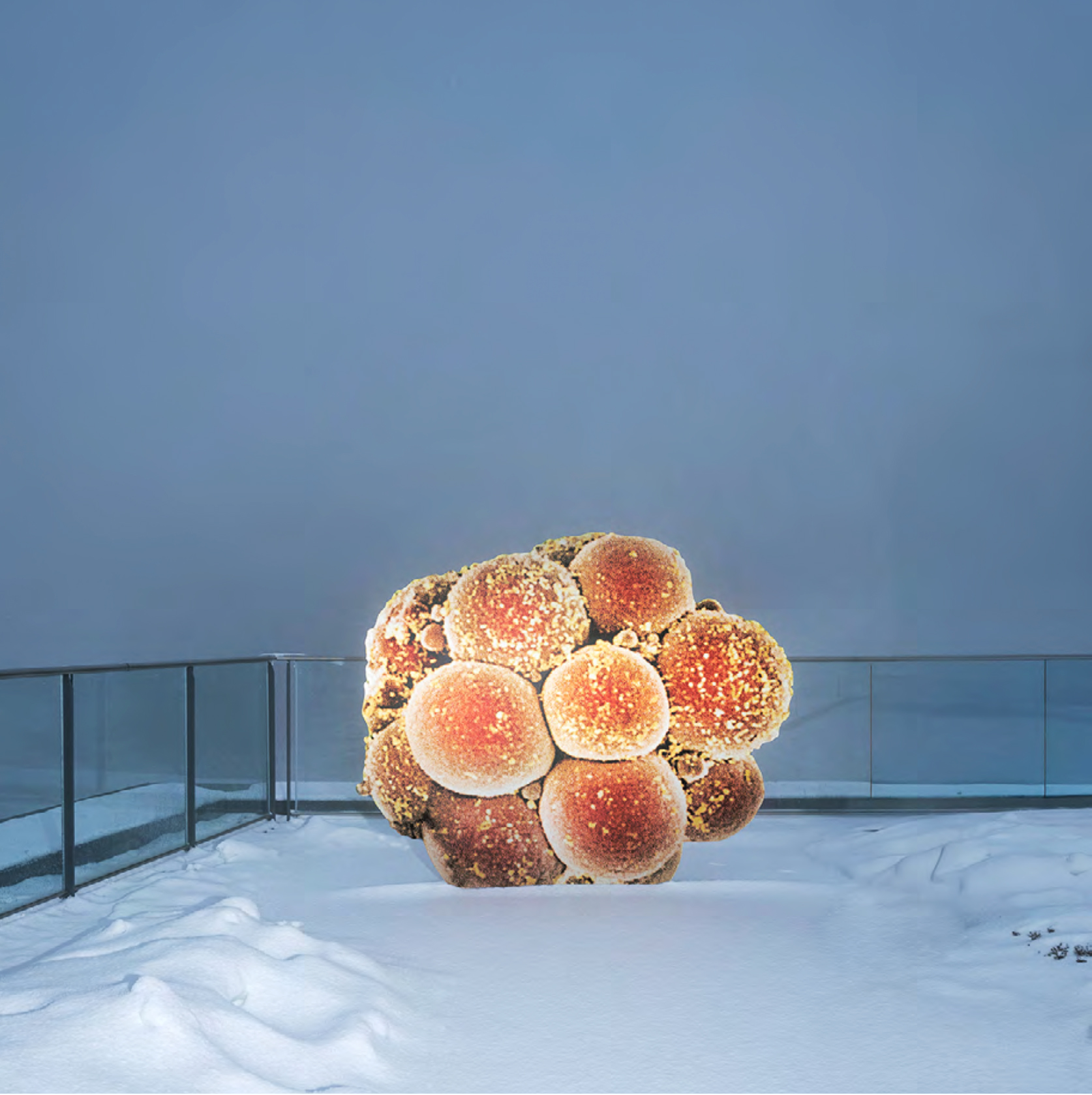
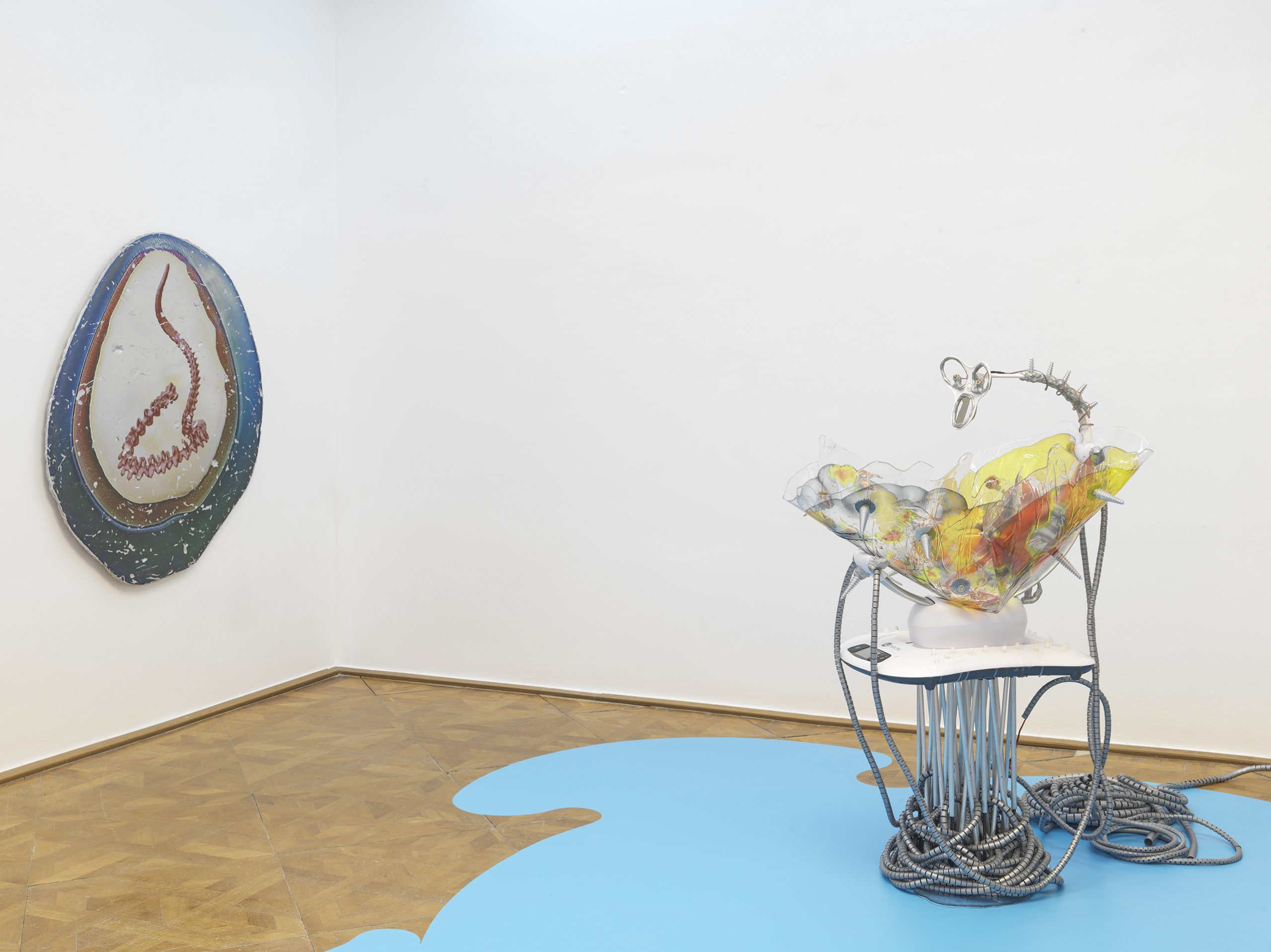
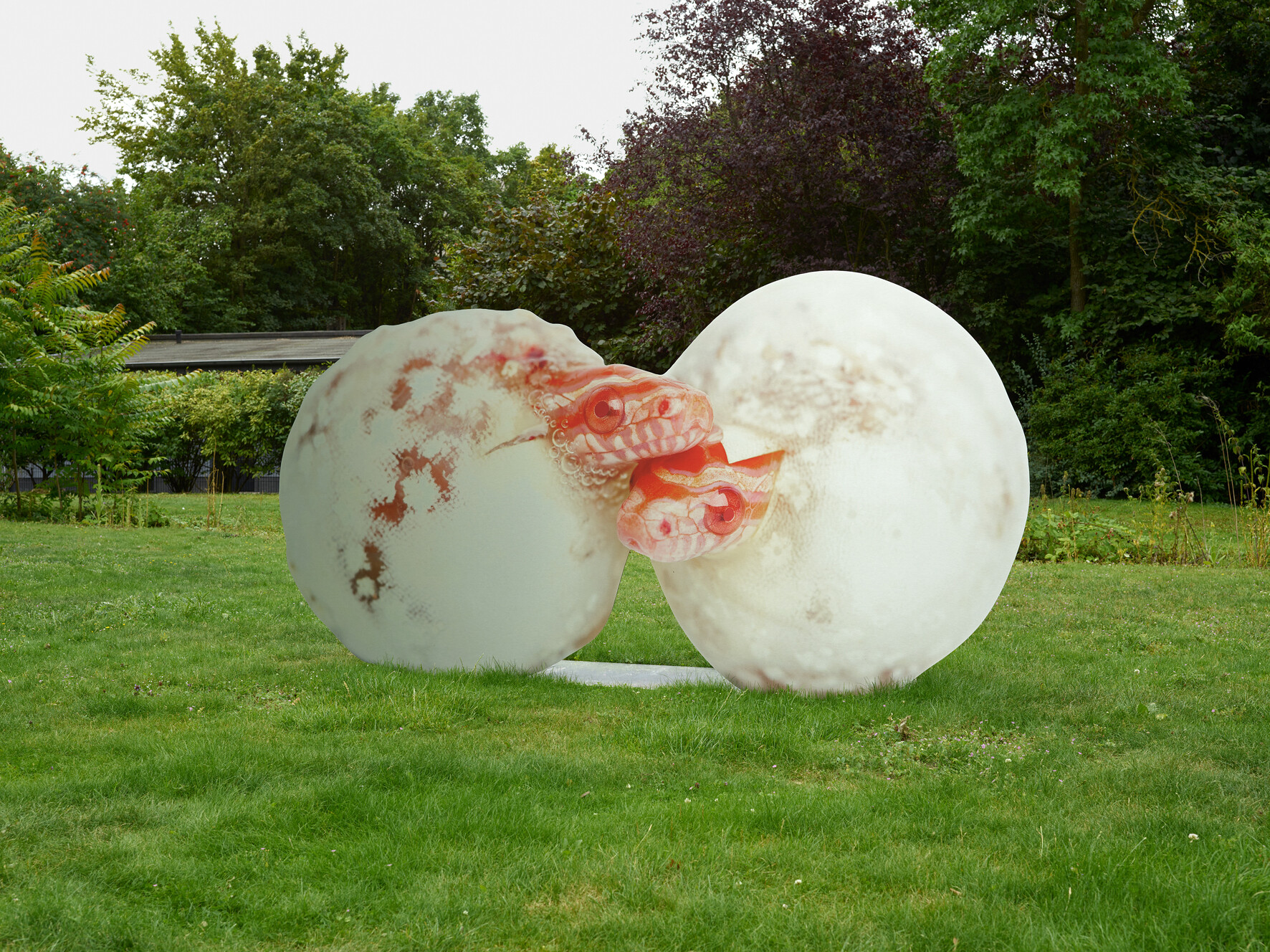
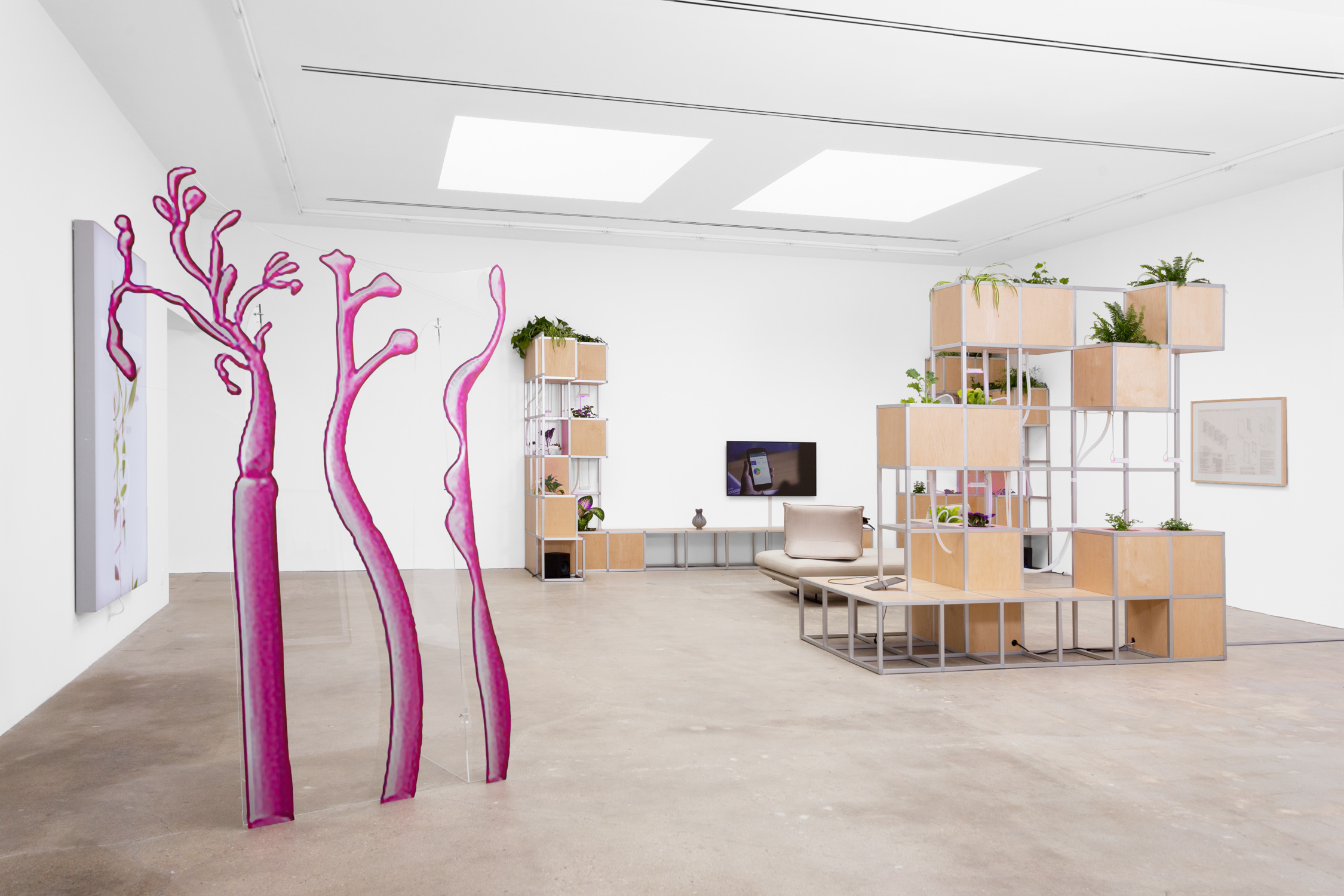
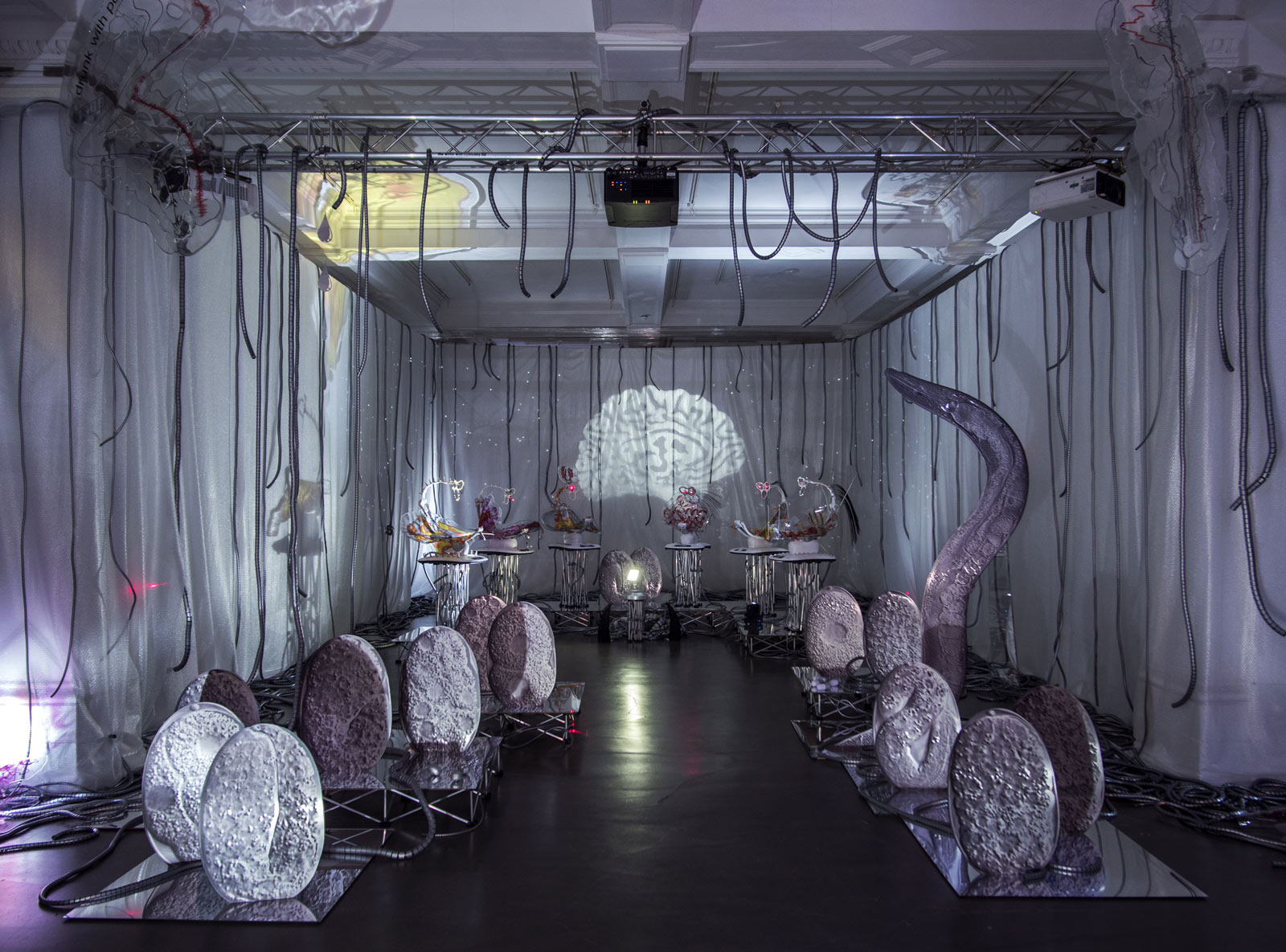
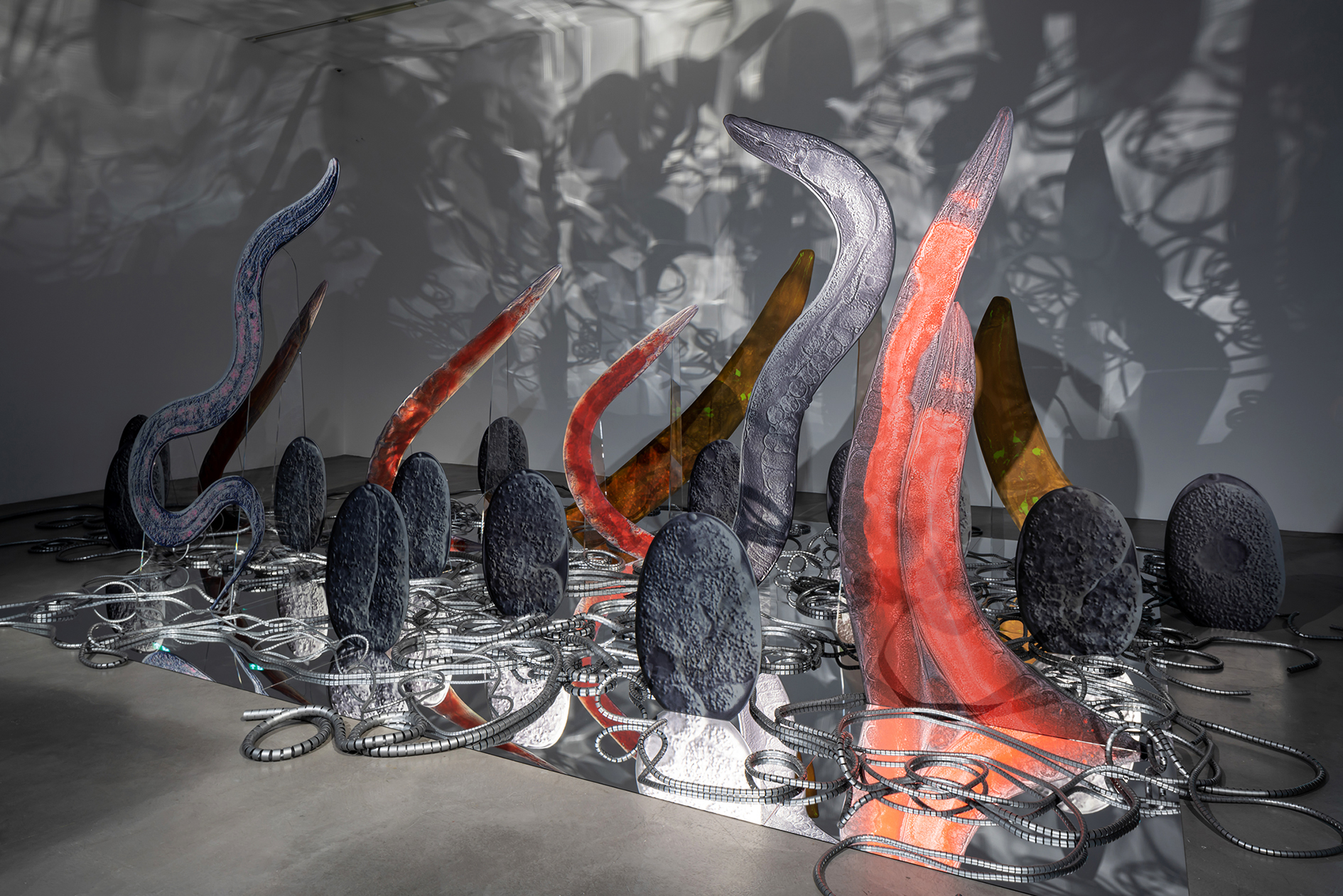
Pattern of Activation (embryogenesis)
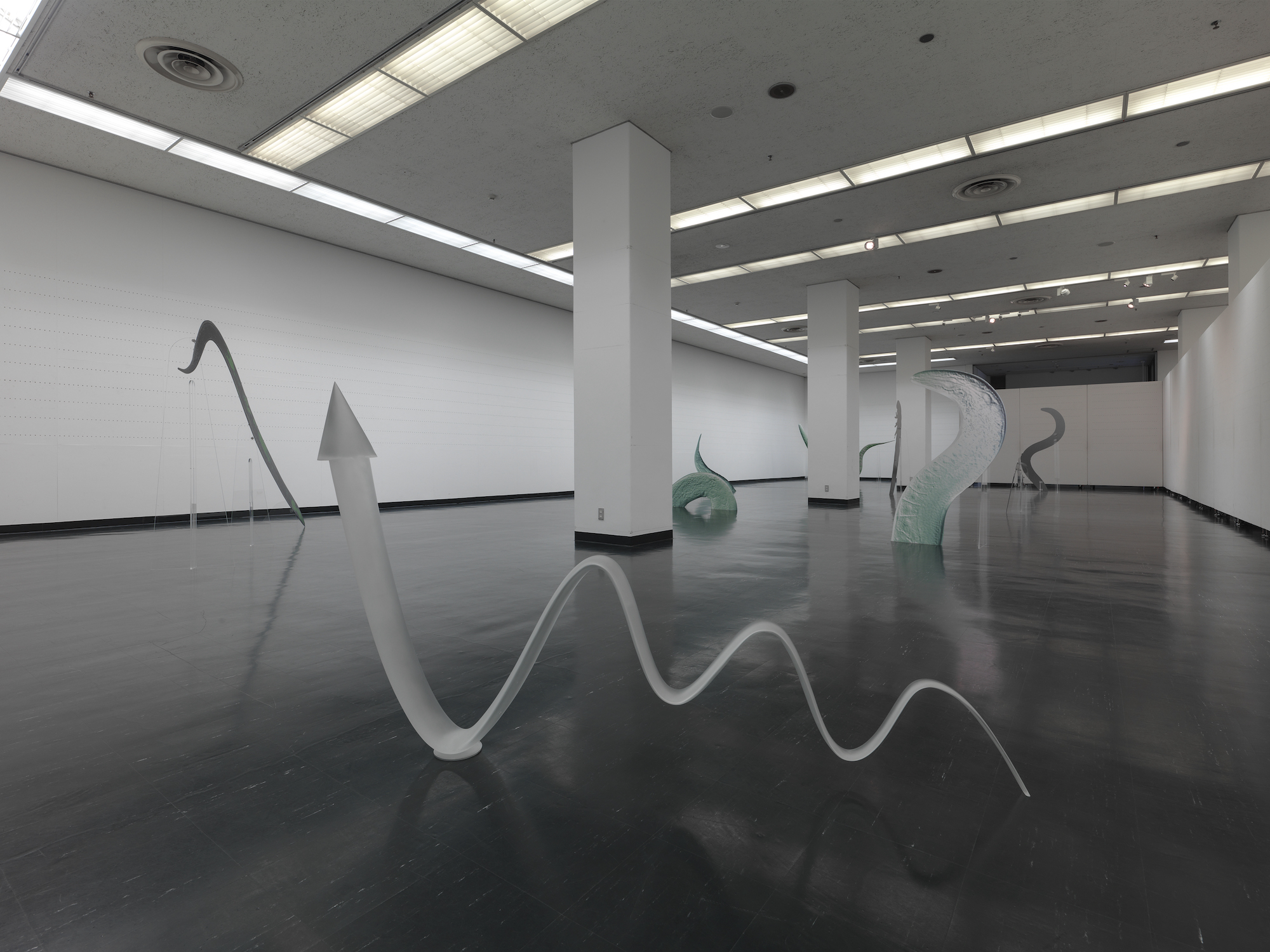
digital print on aluminum, cutout display, acrylic glass worm approx: 247 x134 cm eggs: 70 x 48 cm (each)

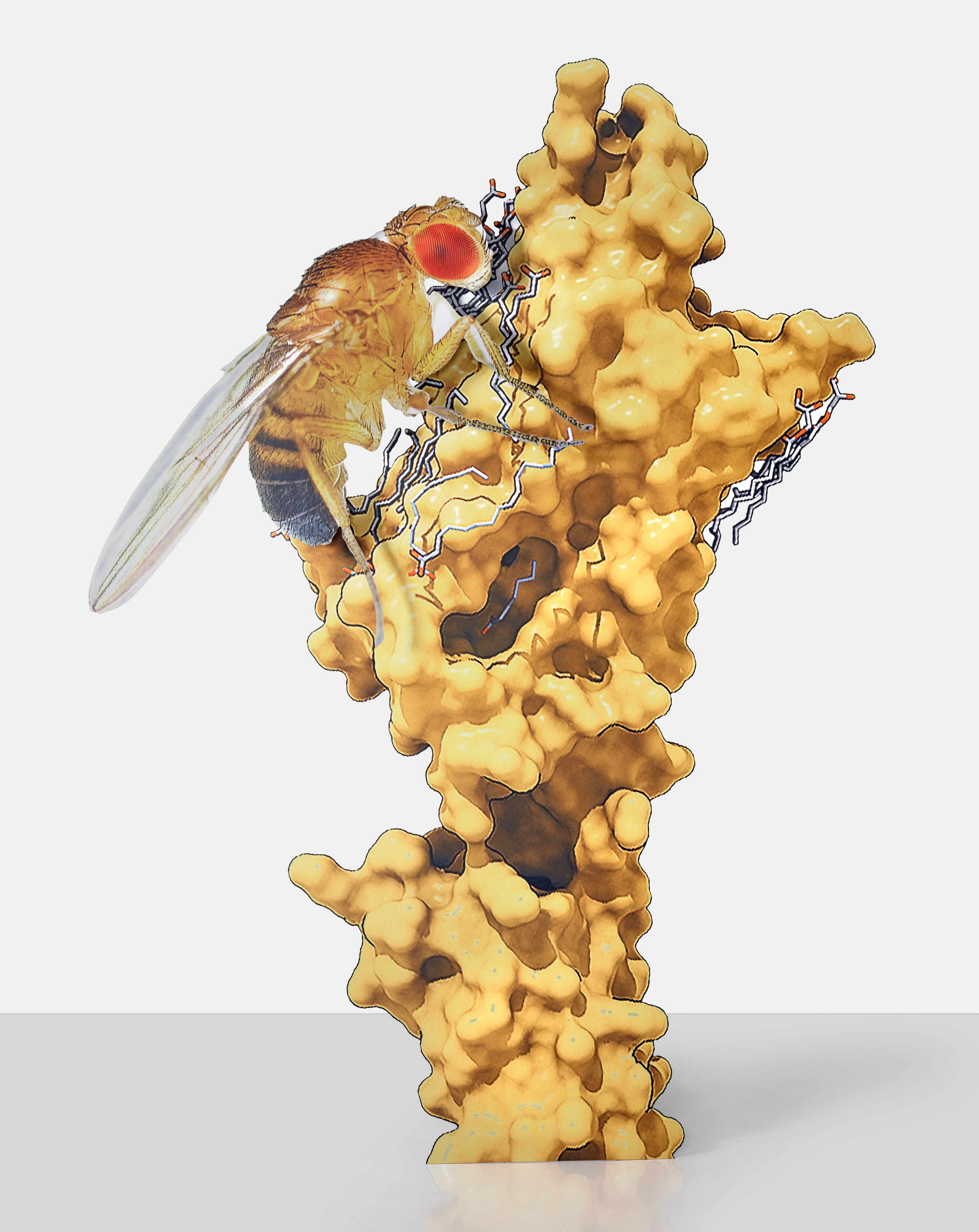
Approximation (C. Elegans, standing couple)
Digital print on aluminum, Cutout display, acrylic glass 214 x 108 x 60 cm Courtesy of the artist;
.jpg)
Approximation (C. Elegans, hooked)
Digital print on aluminium, Cutout display, acrylic glass 52 x 220 x 6 cm Courtesy of the artist; Kraupa- Tuskany Zeidler Berlin
.jpg)
Approximation (C. Elegans, curved)
Digital print on aluminium, Cutout display, acrylic glass

Approximation (C. elegans Embryogenesis)
UV-resistant digital print on aluminium dibond, cutout display, acrylic stands. Dimensions variable.
.jpg)
Approximation (C. Elegans, wiggly worm)
Digital print on aluminium, acrylic glass, cutout display 219 × 138 × 40 cm Courtesy of the artist;
.jpg)
Approximation (C. Elegans, standing tall)
Digital print on aluminium, acrylic glass, cutout display. 247 × 137 × 40 cm.
.jpg)
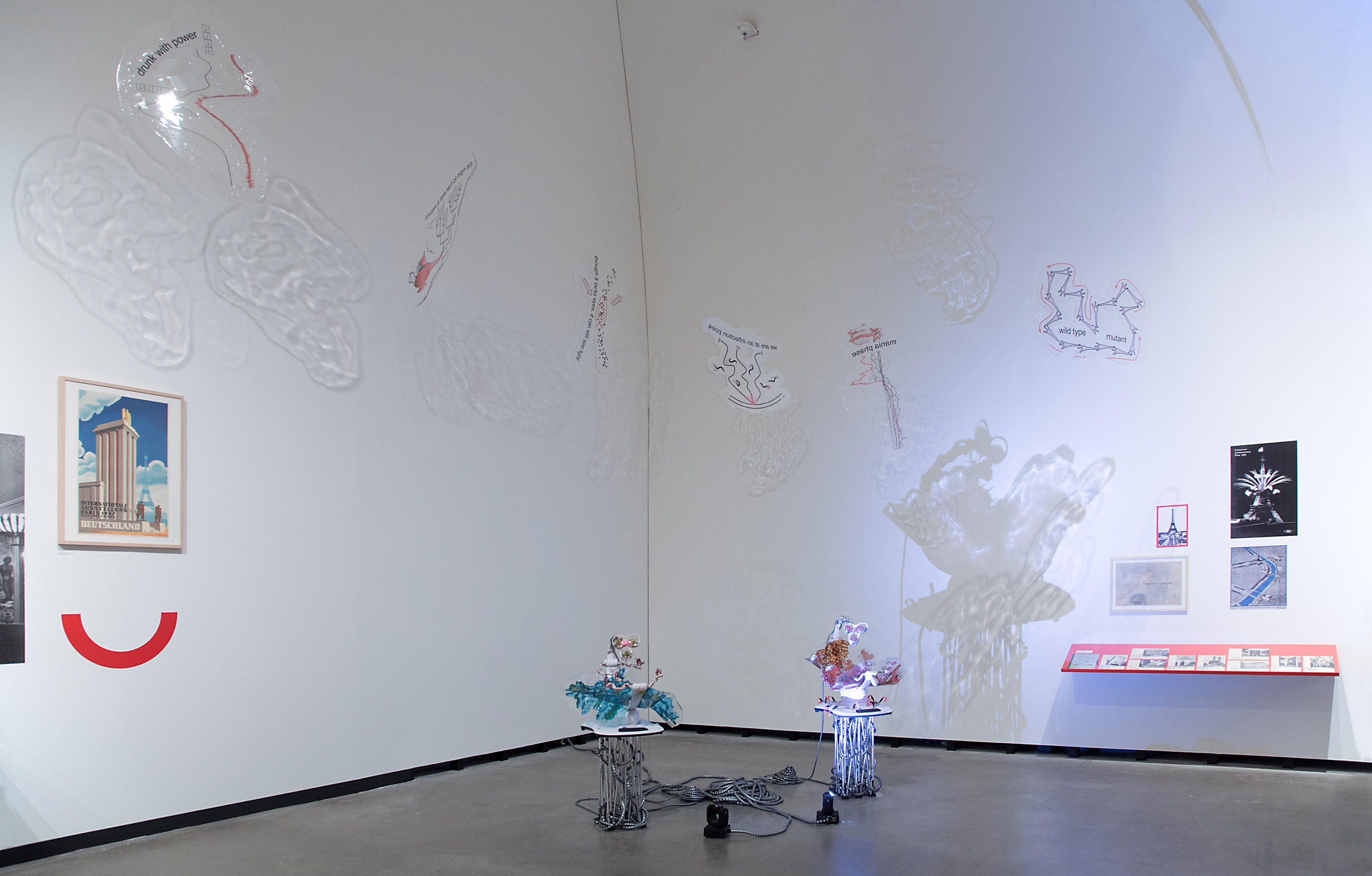
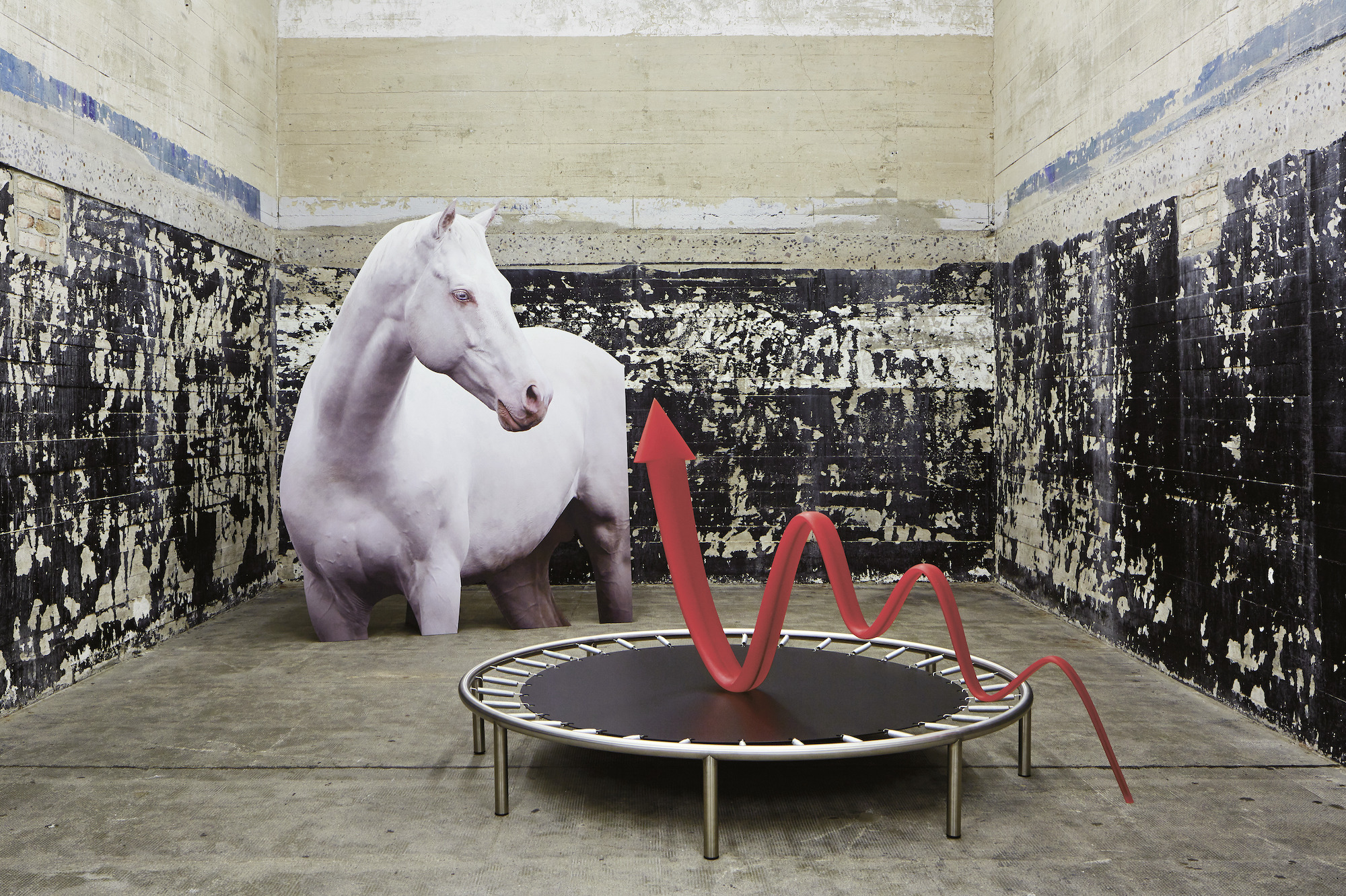
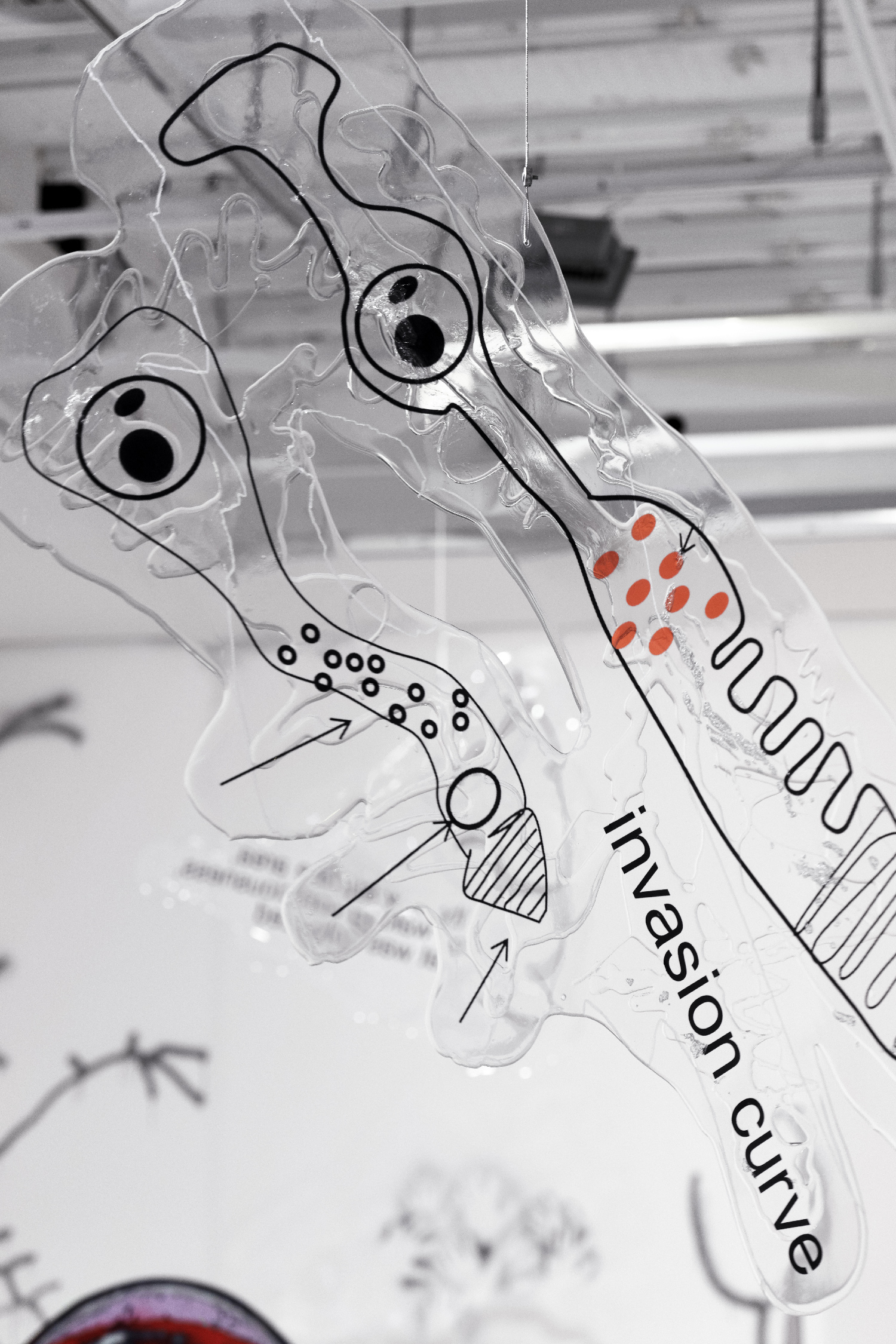
Invasion curve
Digital print, polyurethane resin, rotating ceiling hook 120 x 80 cm 47 3/16 x 31 7/16 ins Unique
Approximation (C. Elegans, portal)
2 digital print on aluminium, acrylic glass, cutout display 195 × 300 × 40 cm Courtesy of the artist;
.jpg)
Approximation (C. Elegans, red trio)
3 Digital print on aluminium, acrylic glass, cut out display 180 × 300 × 40 cm Courtesy of the artist;
.jpg)


