
%20detail%204.jpg)

-web.jpg)


.png)


-web.jpg)



























.JPG)


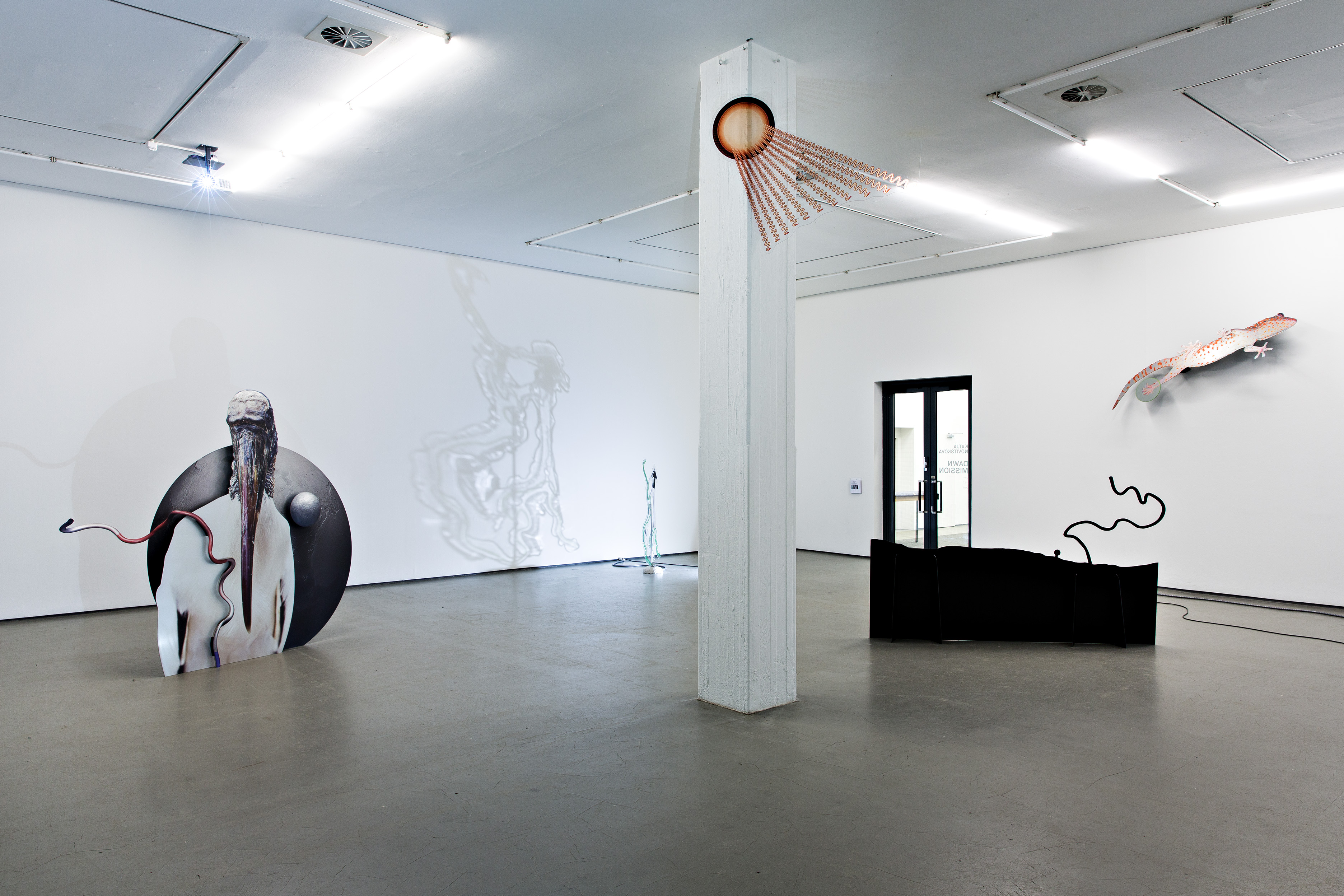


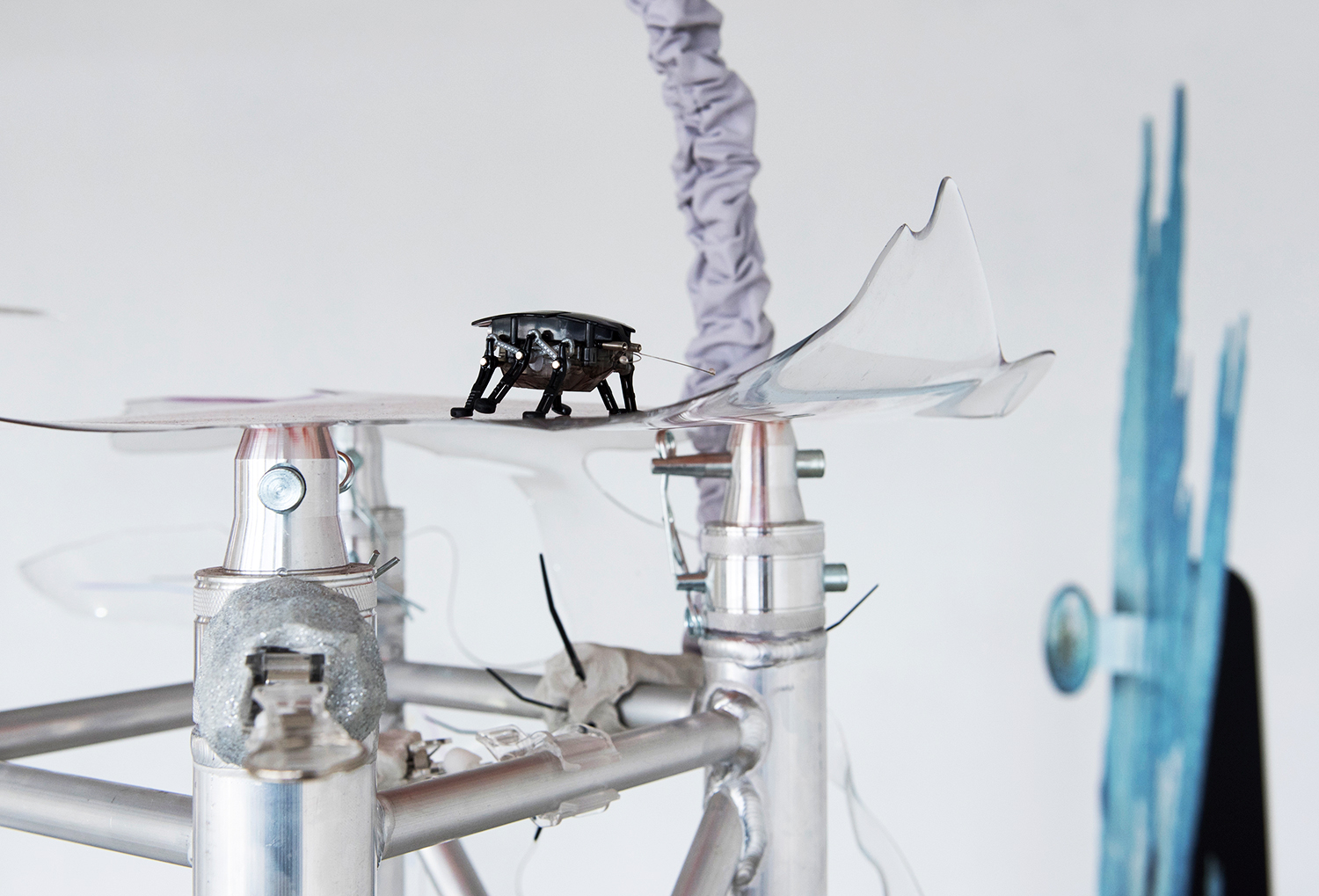
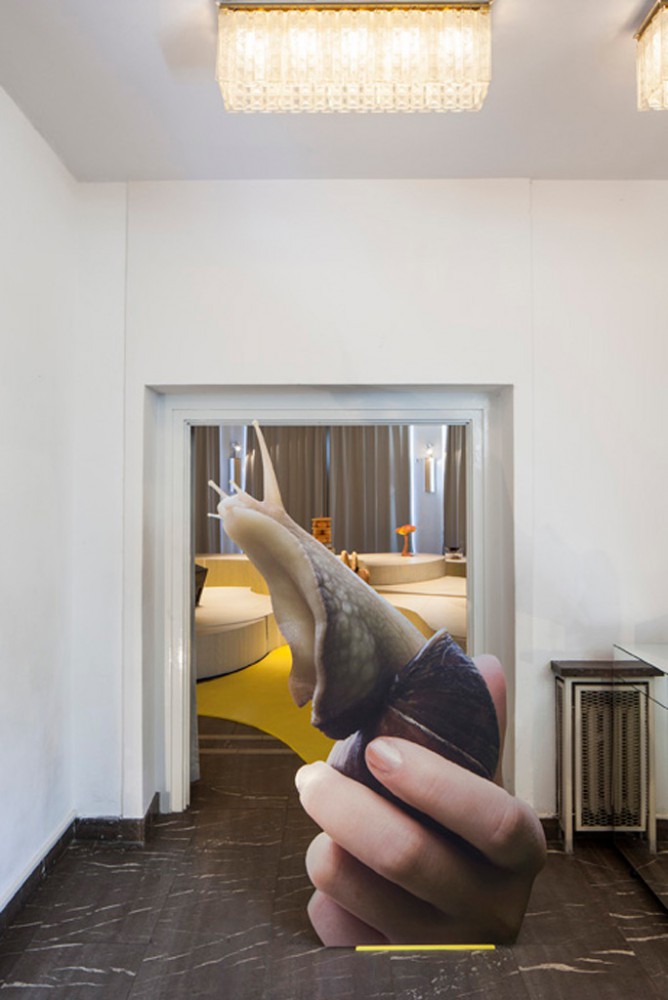

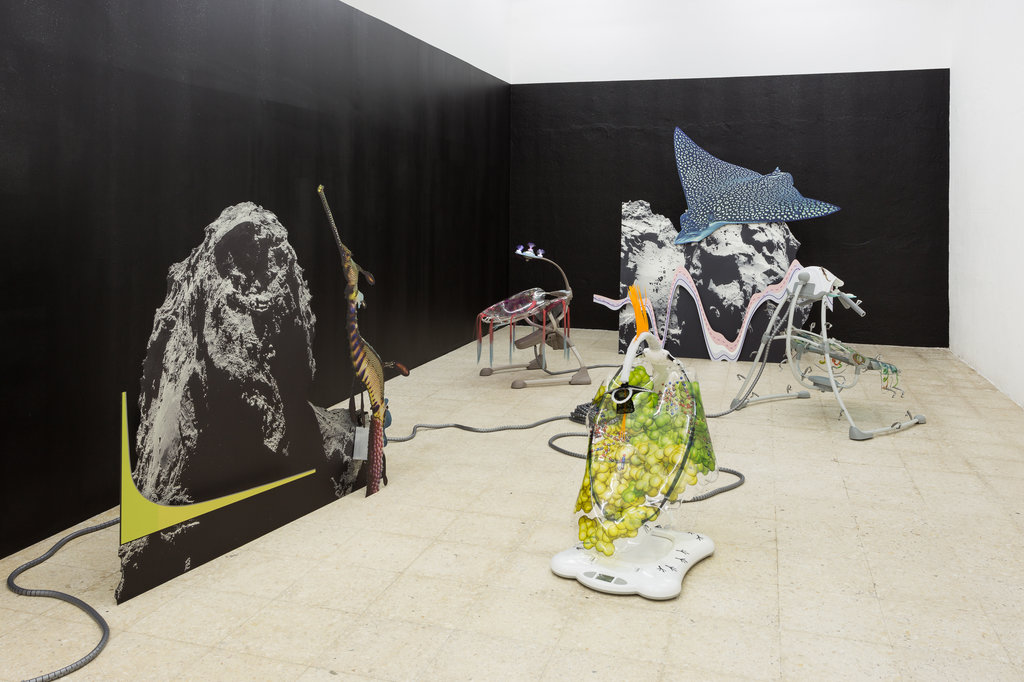




On consequences in algorithmic classification
Rotterdam
Type
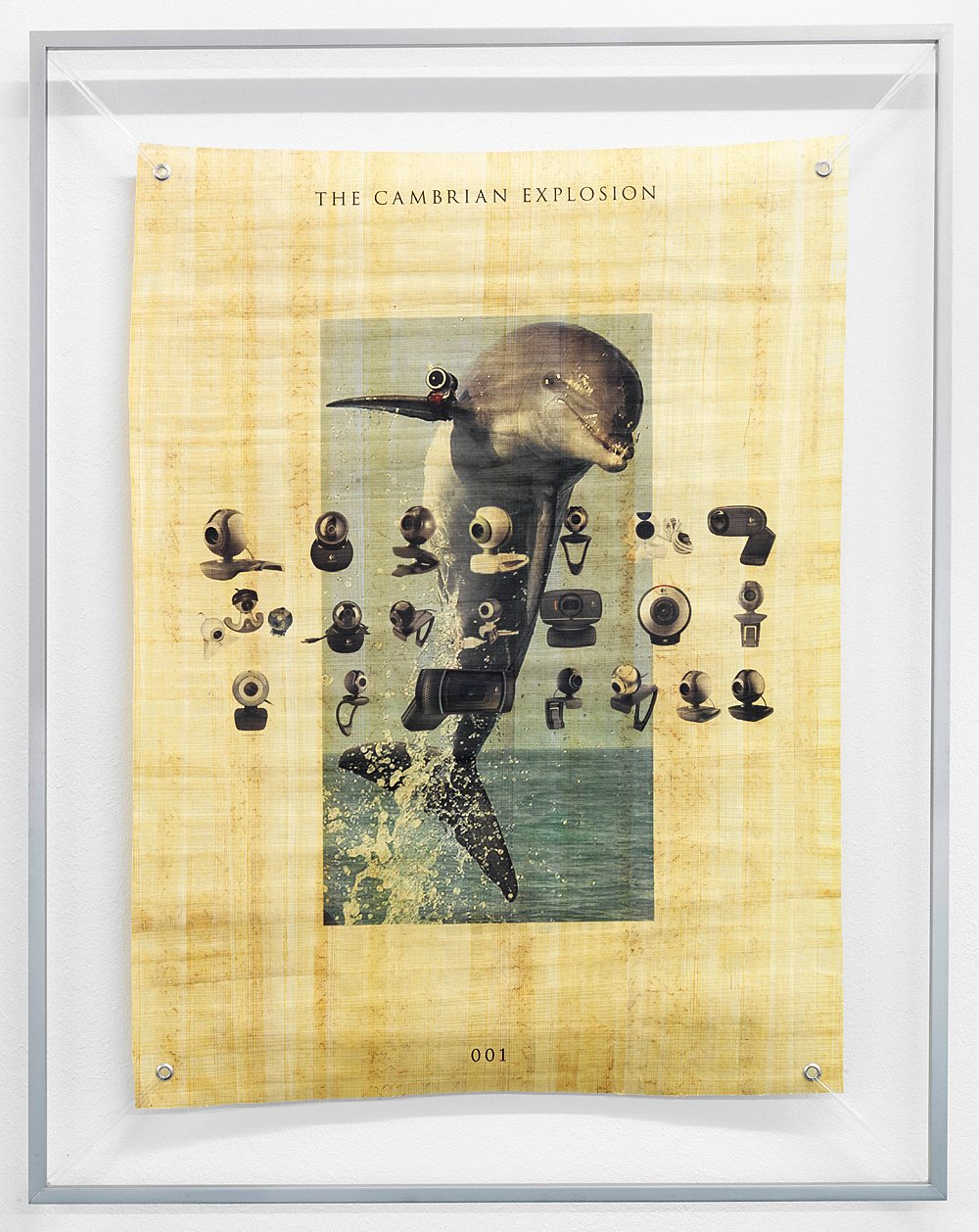
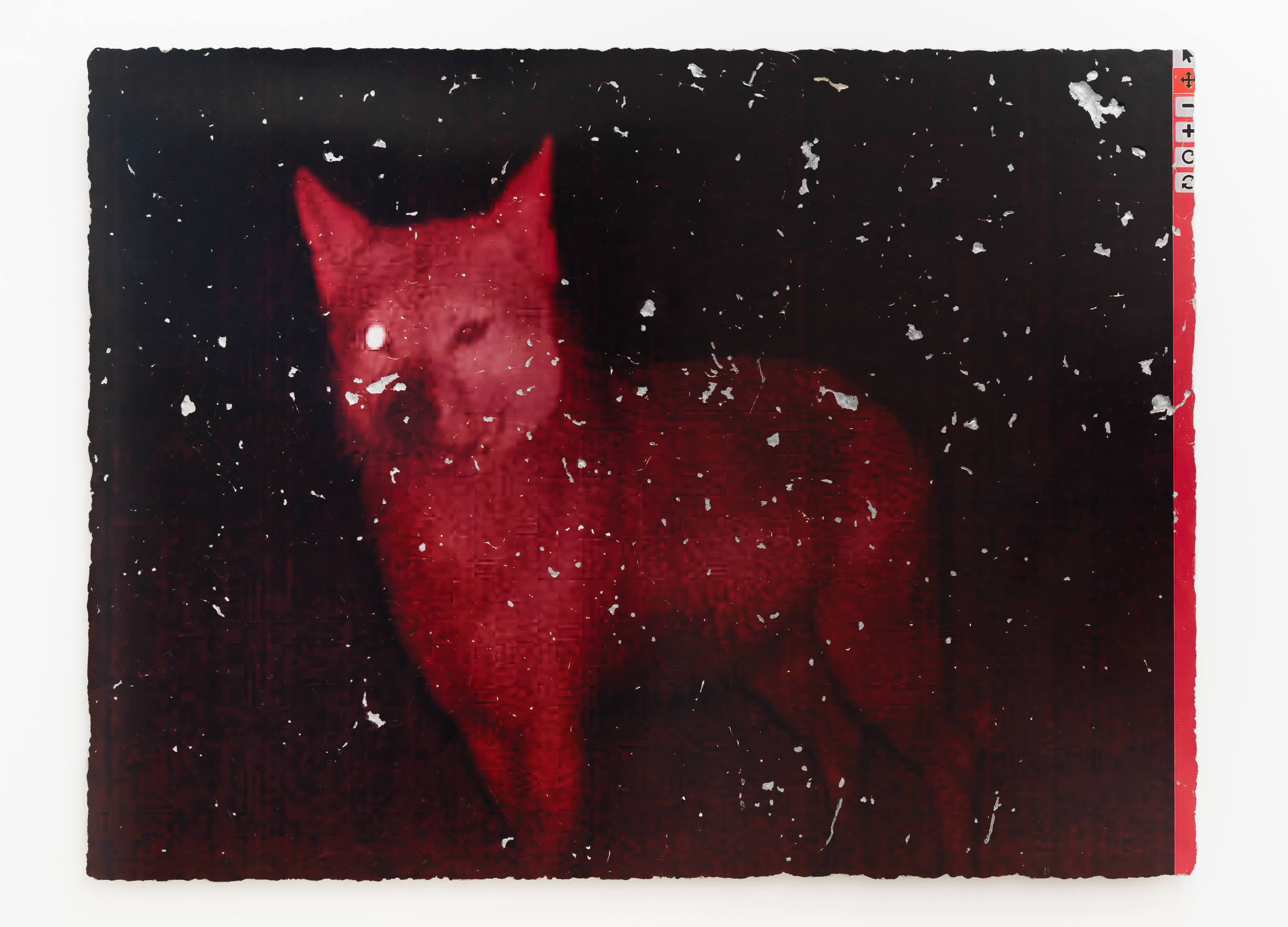
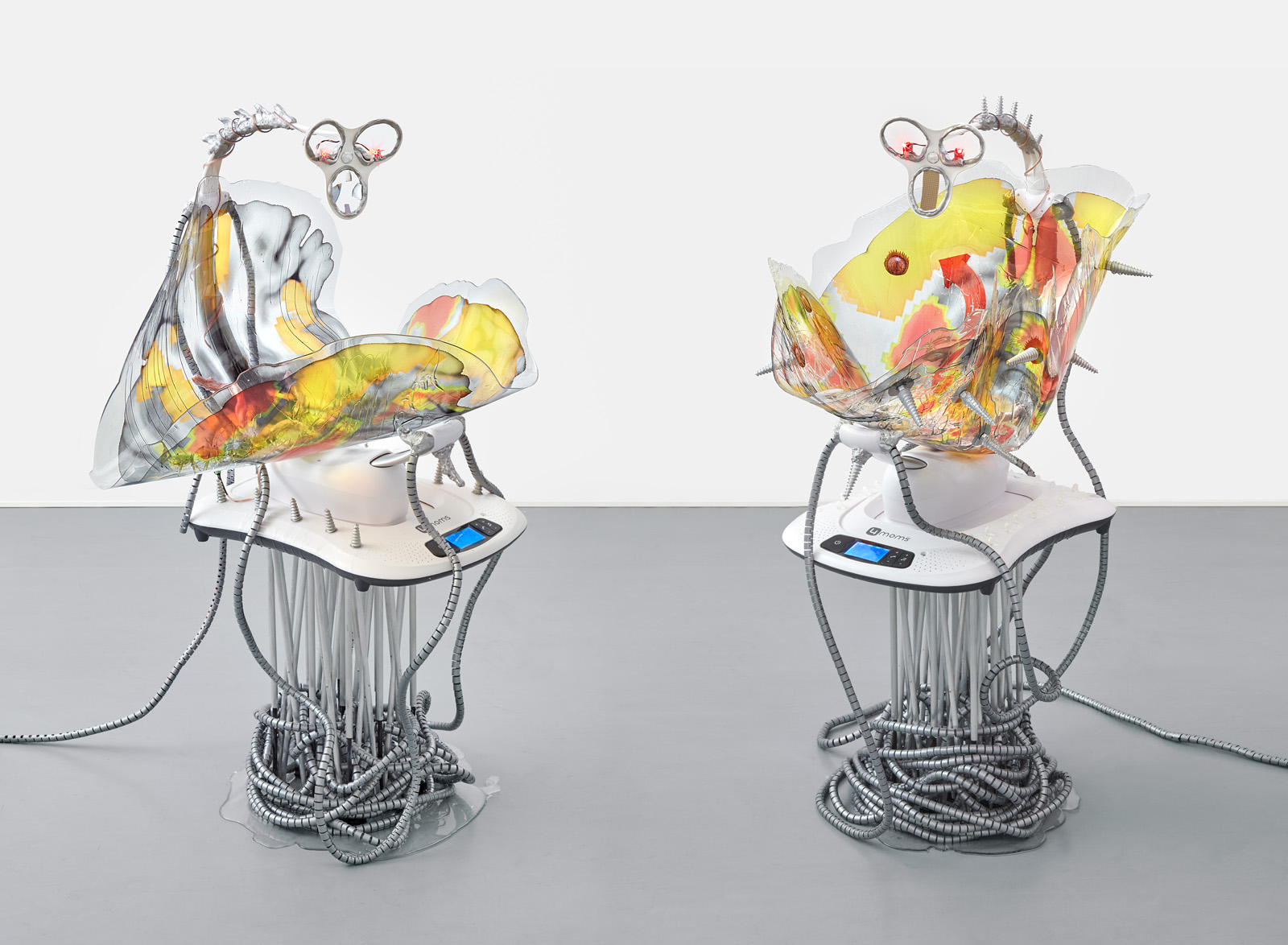
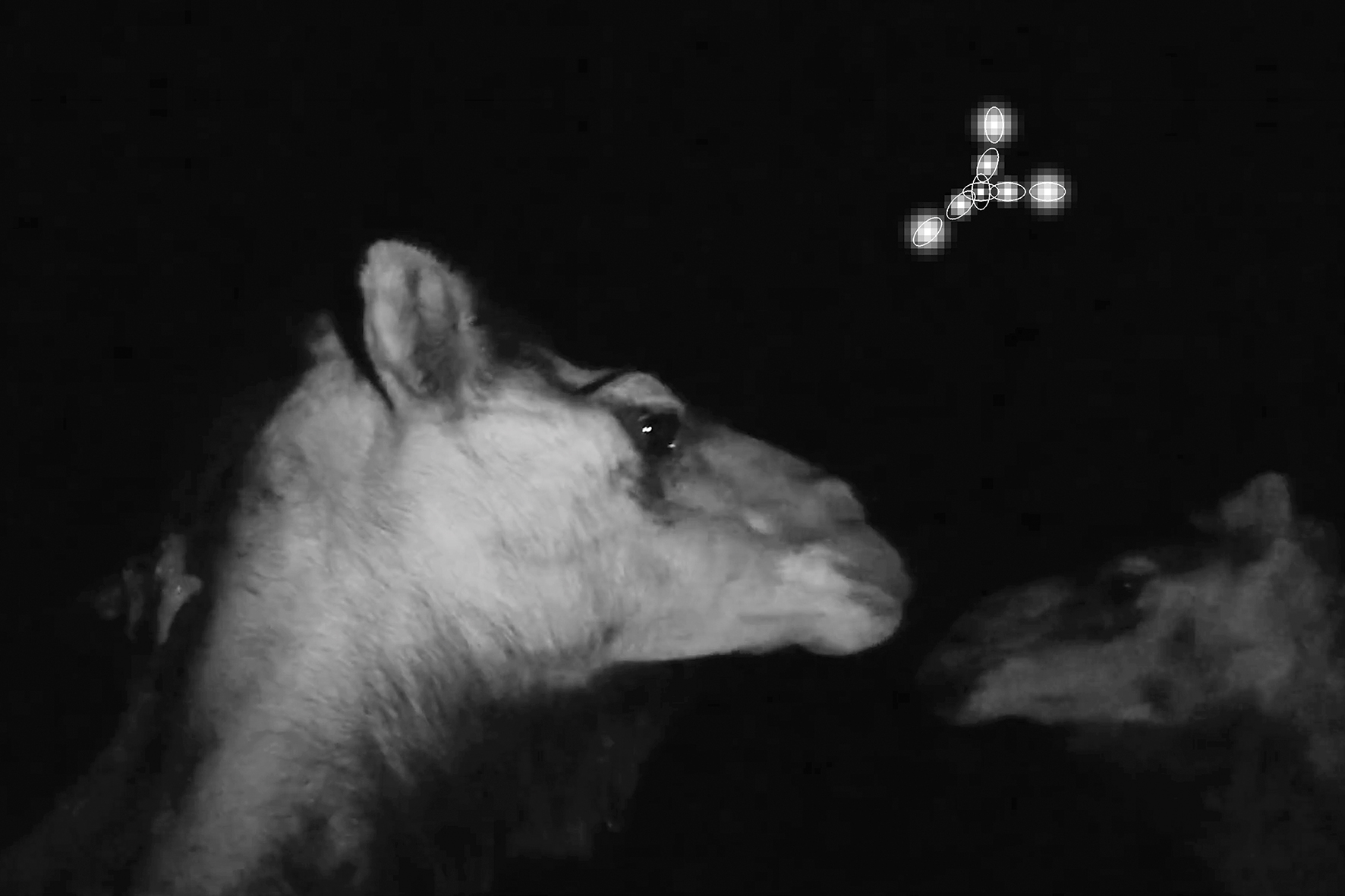
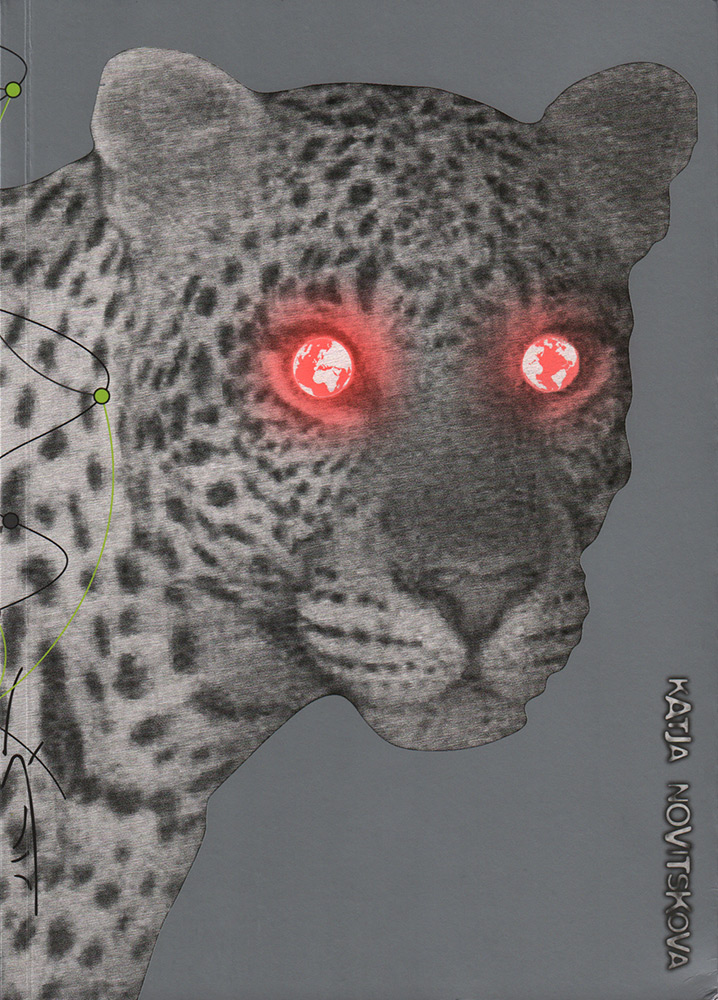
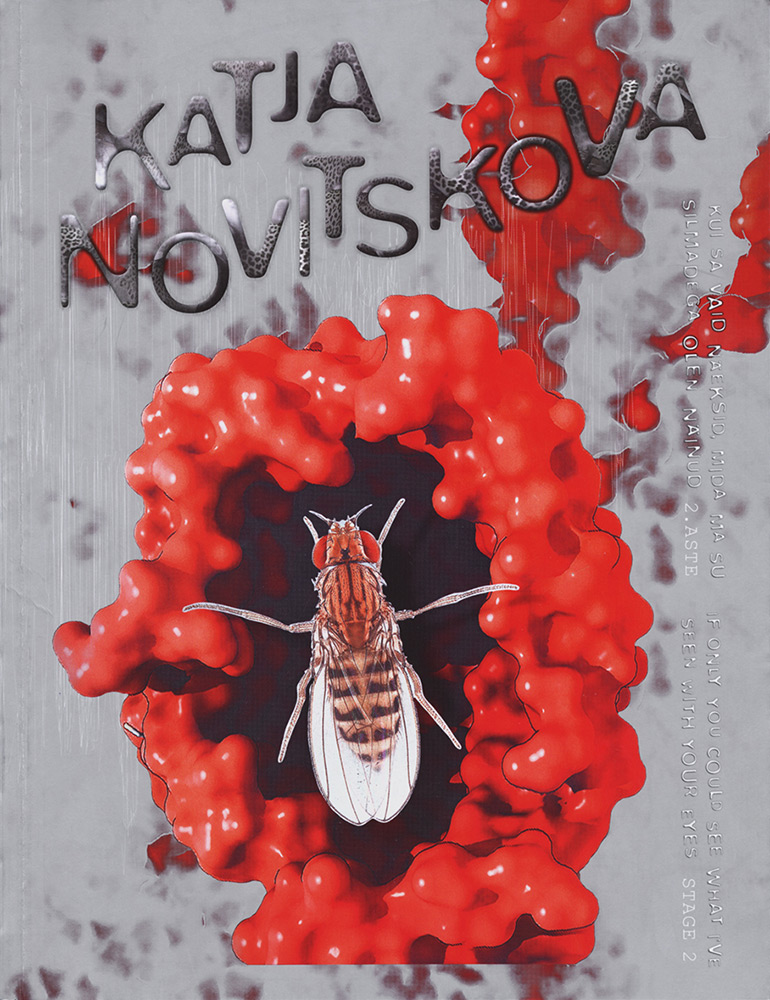
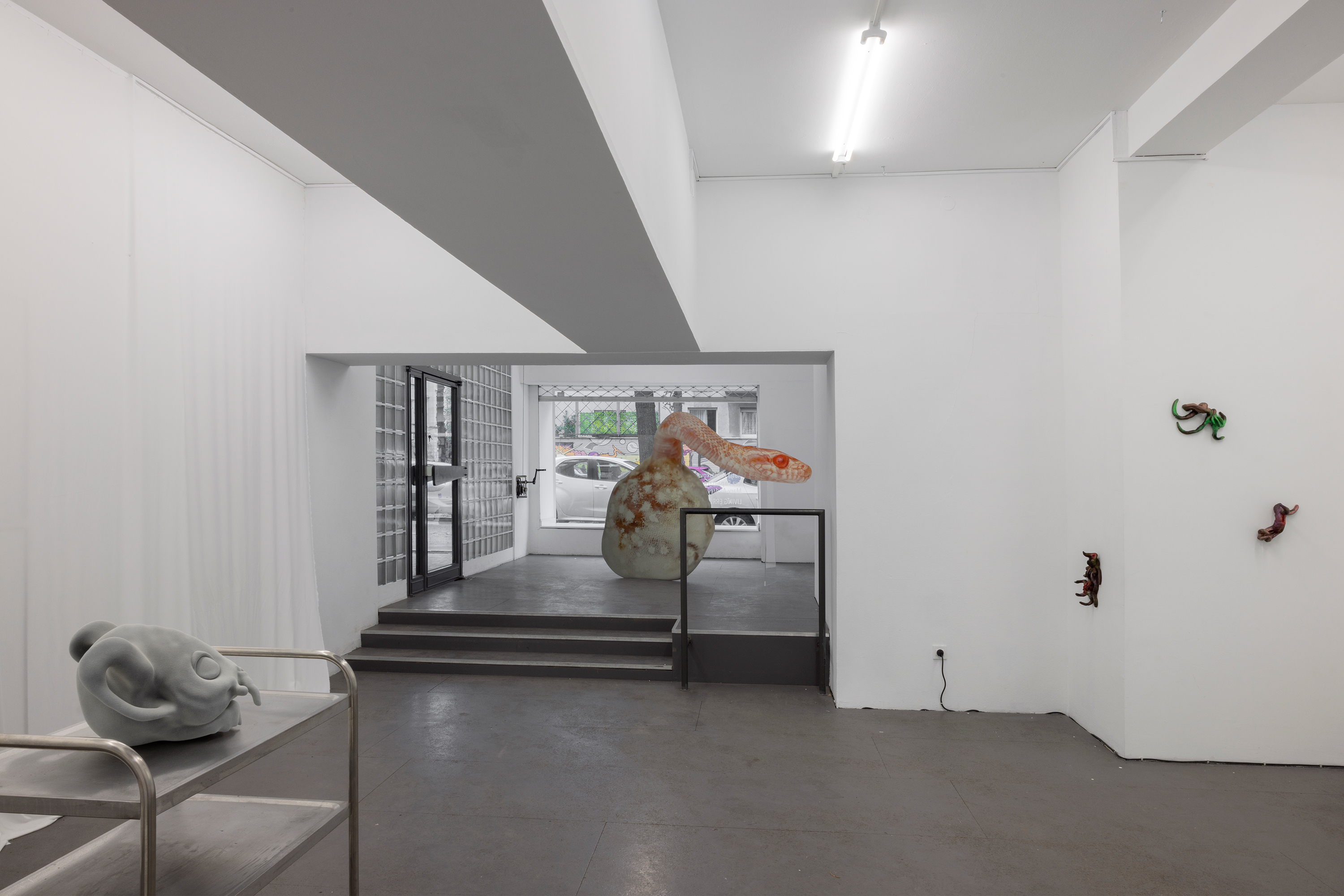
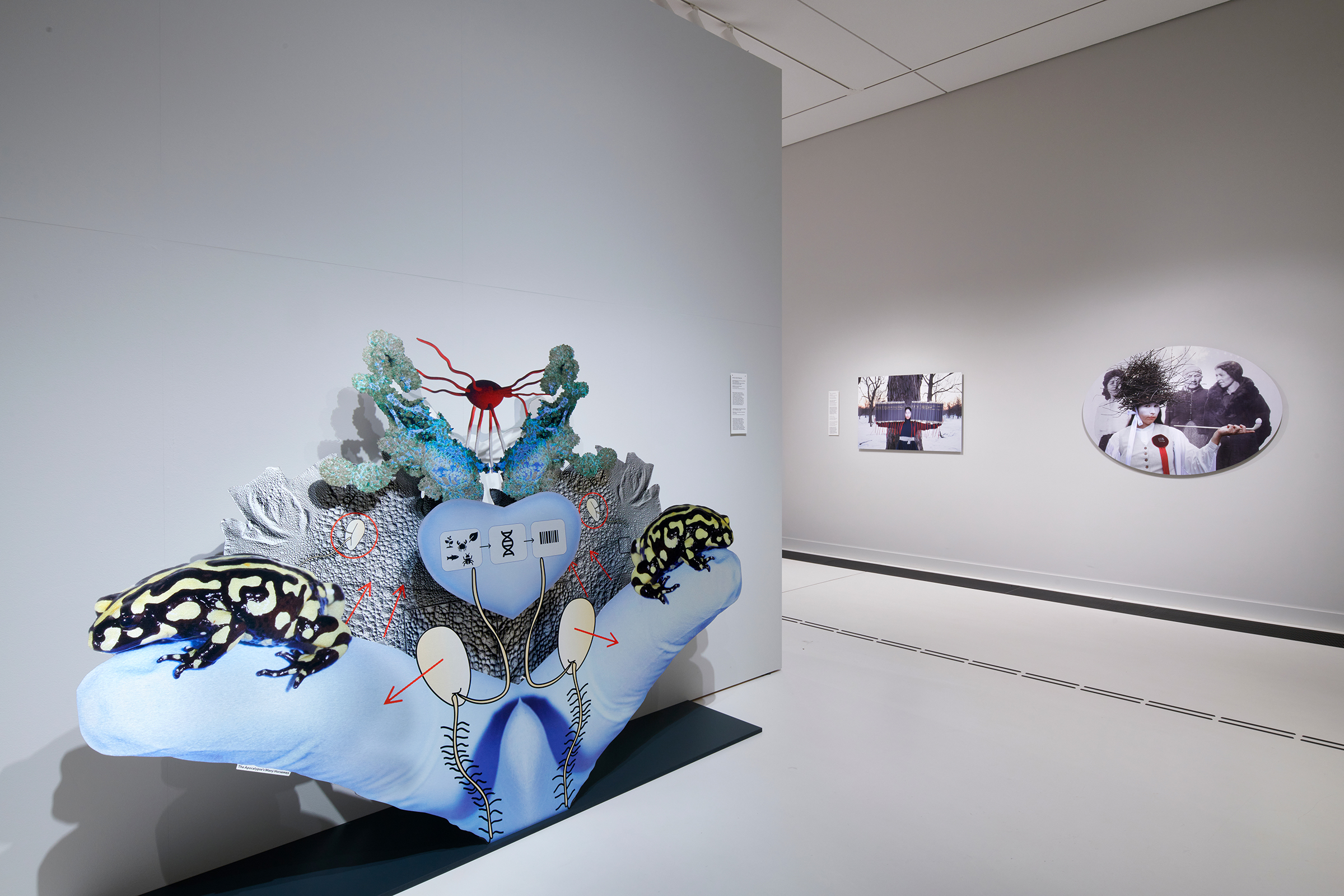
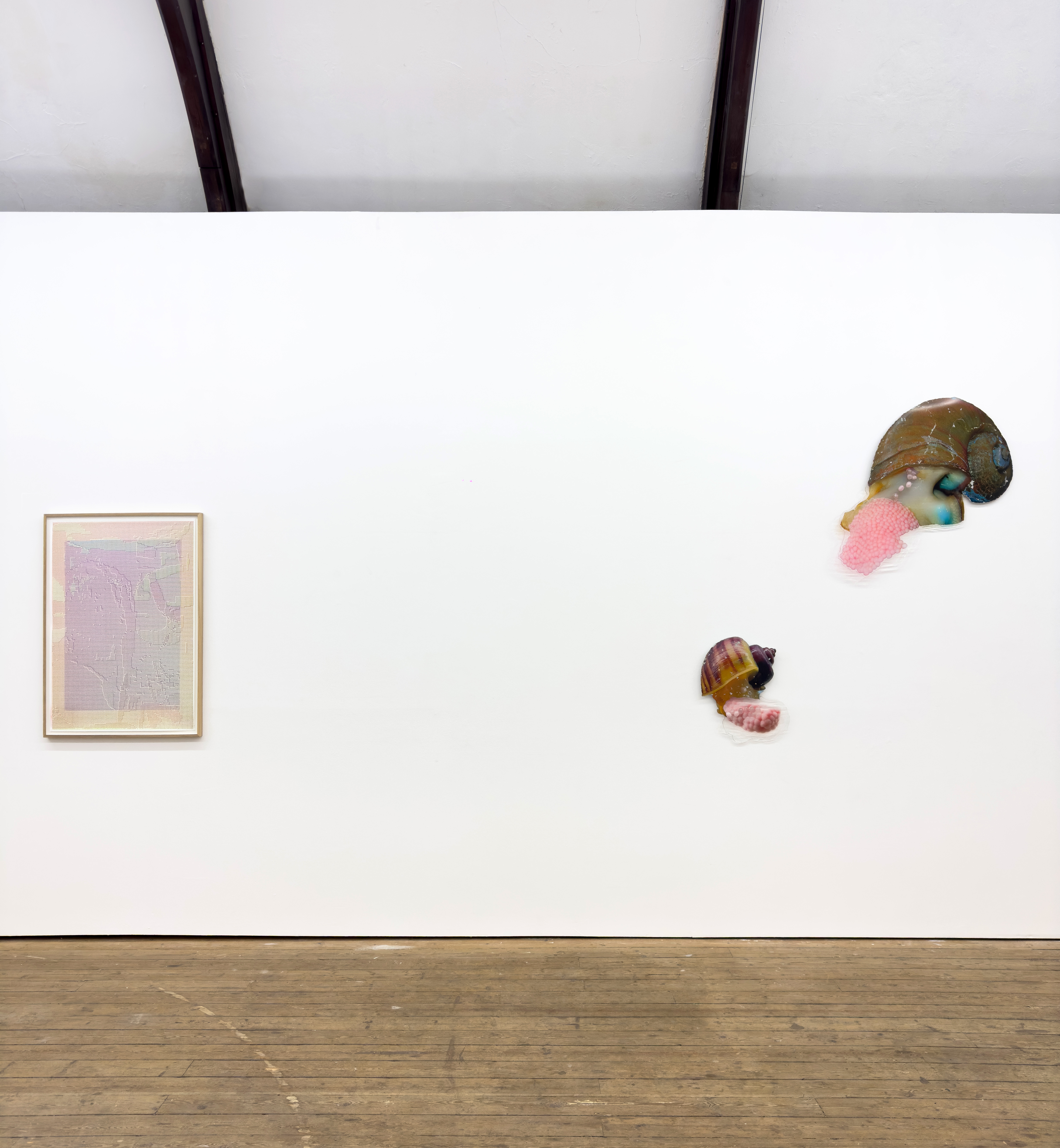
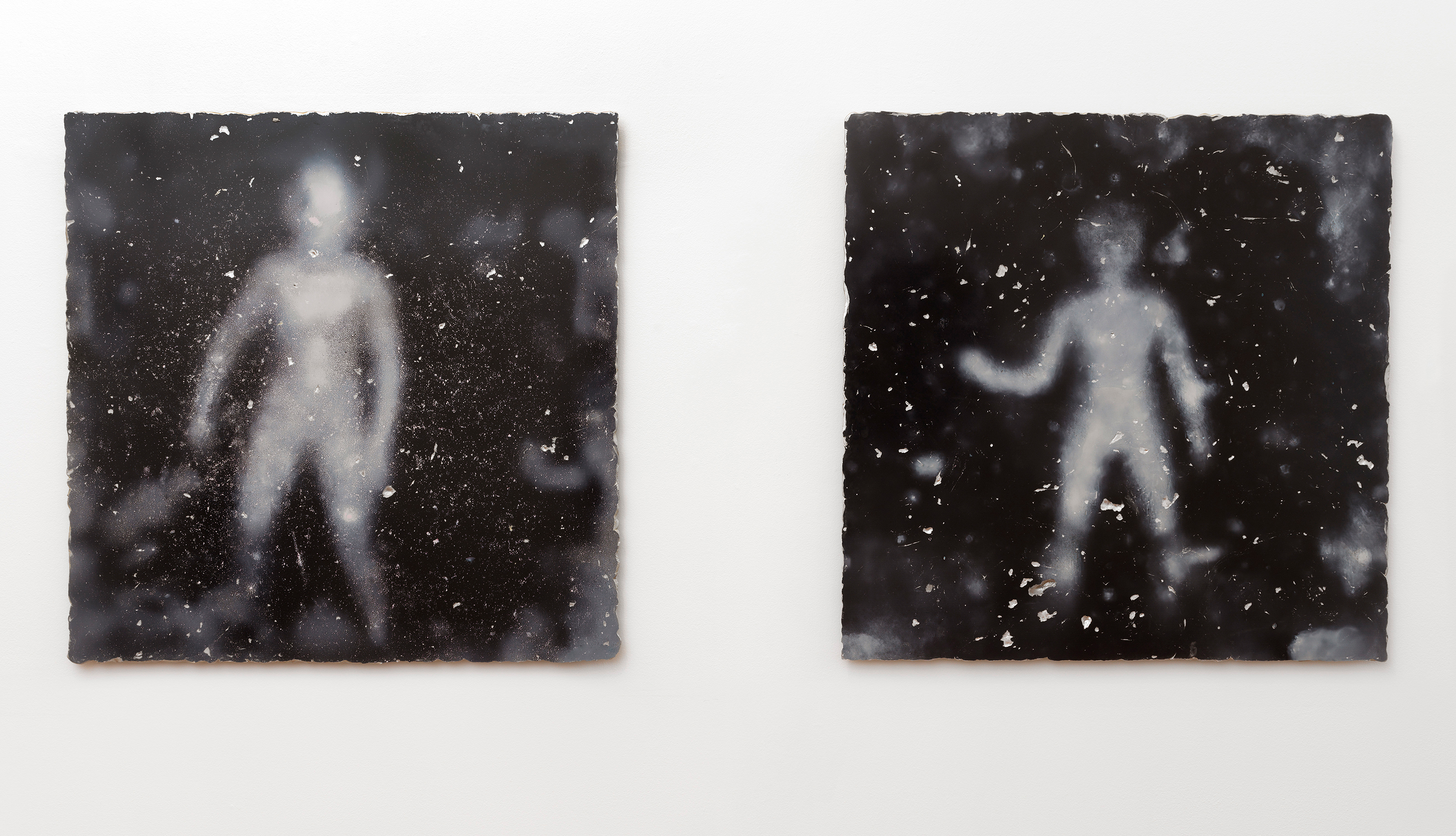
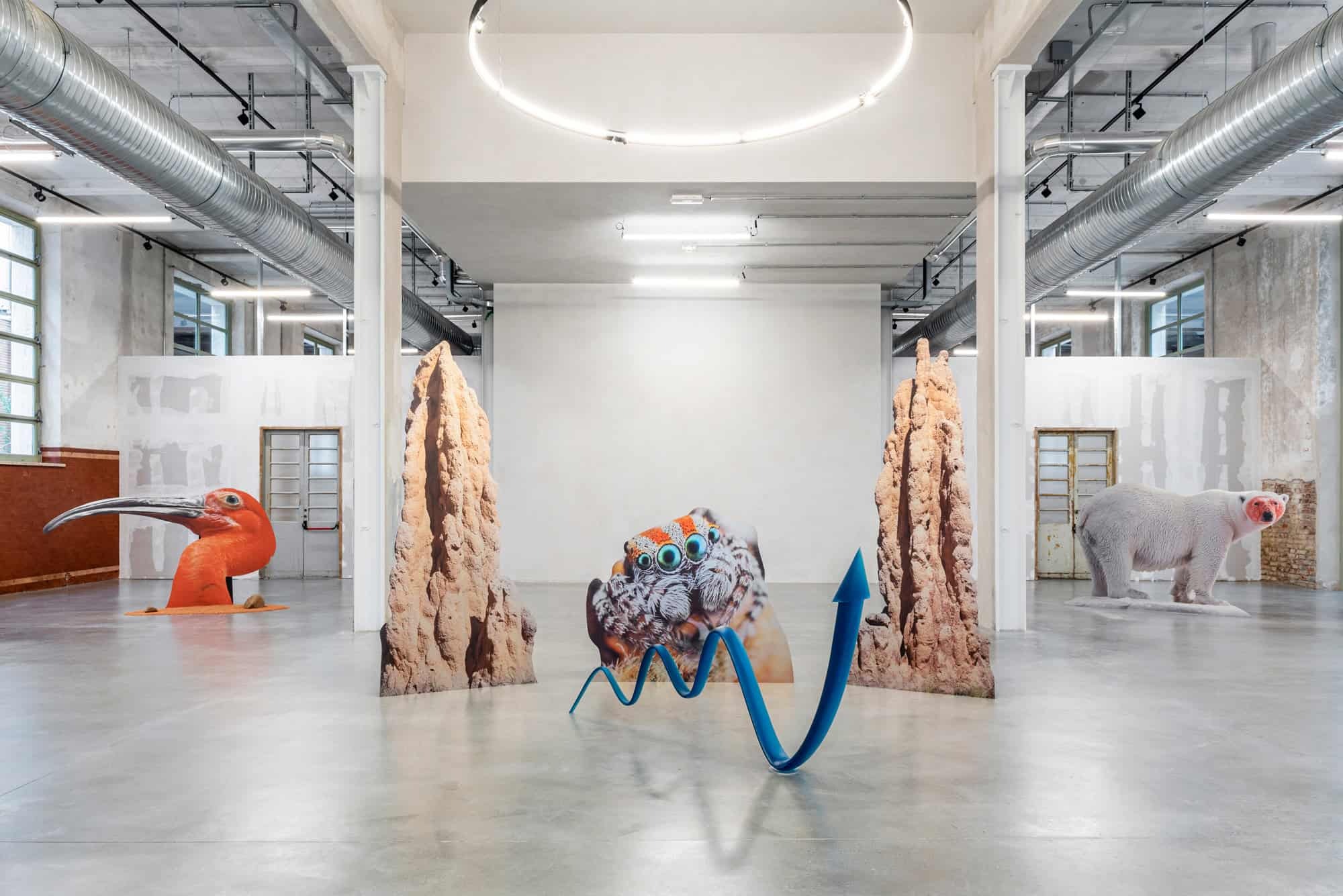
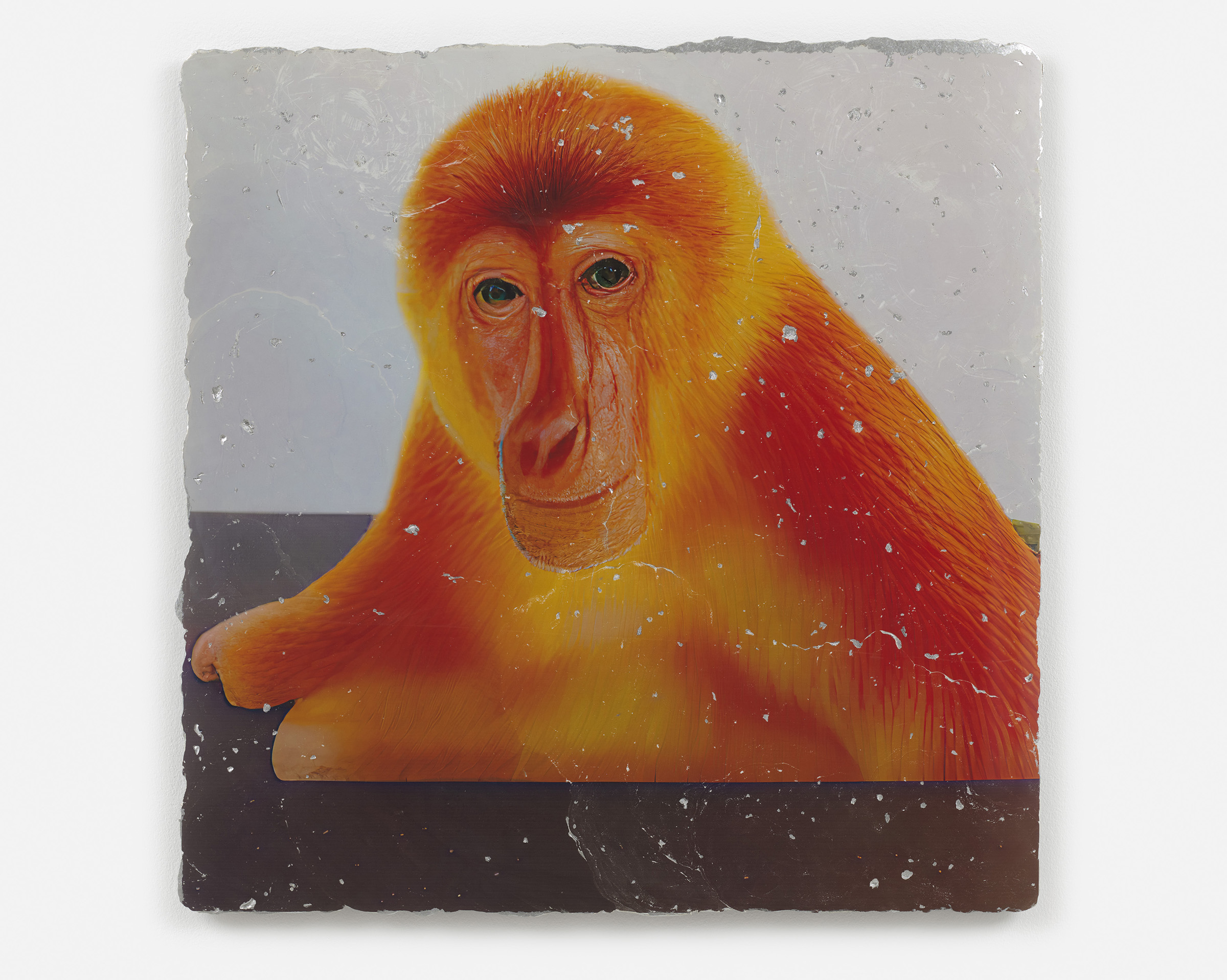
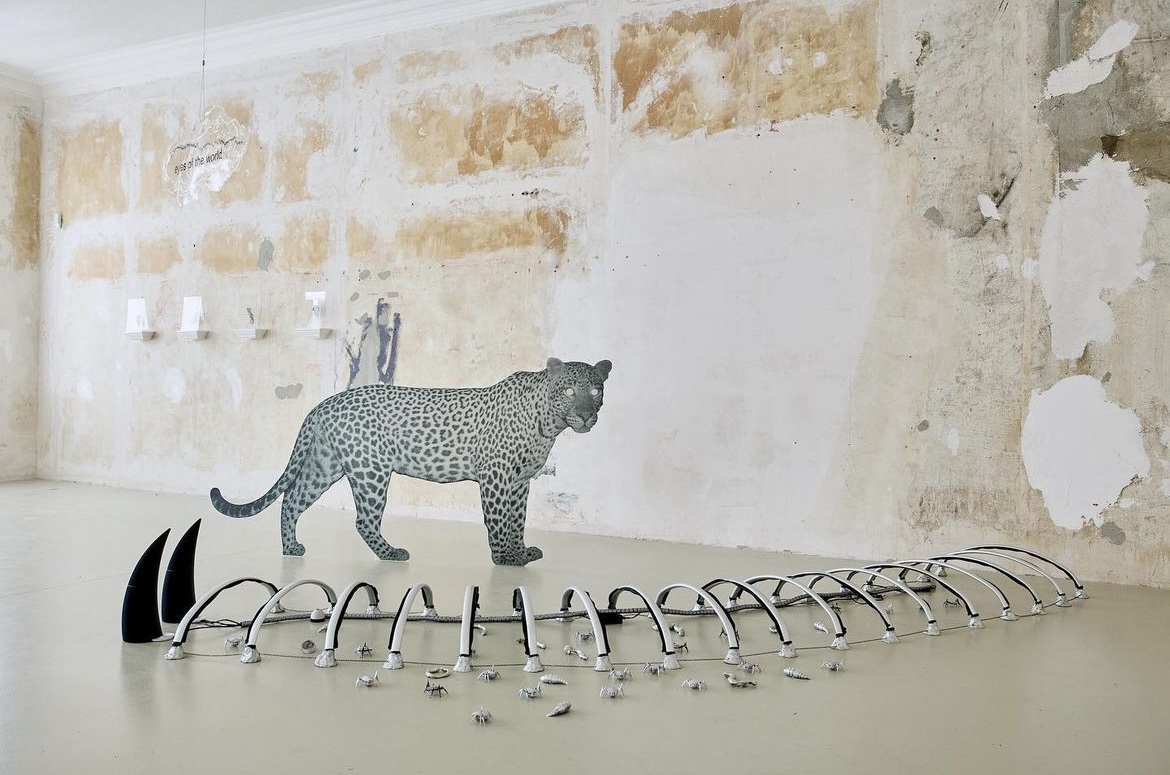
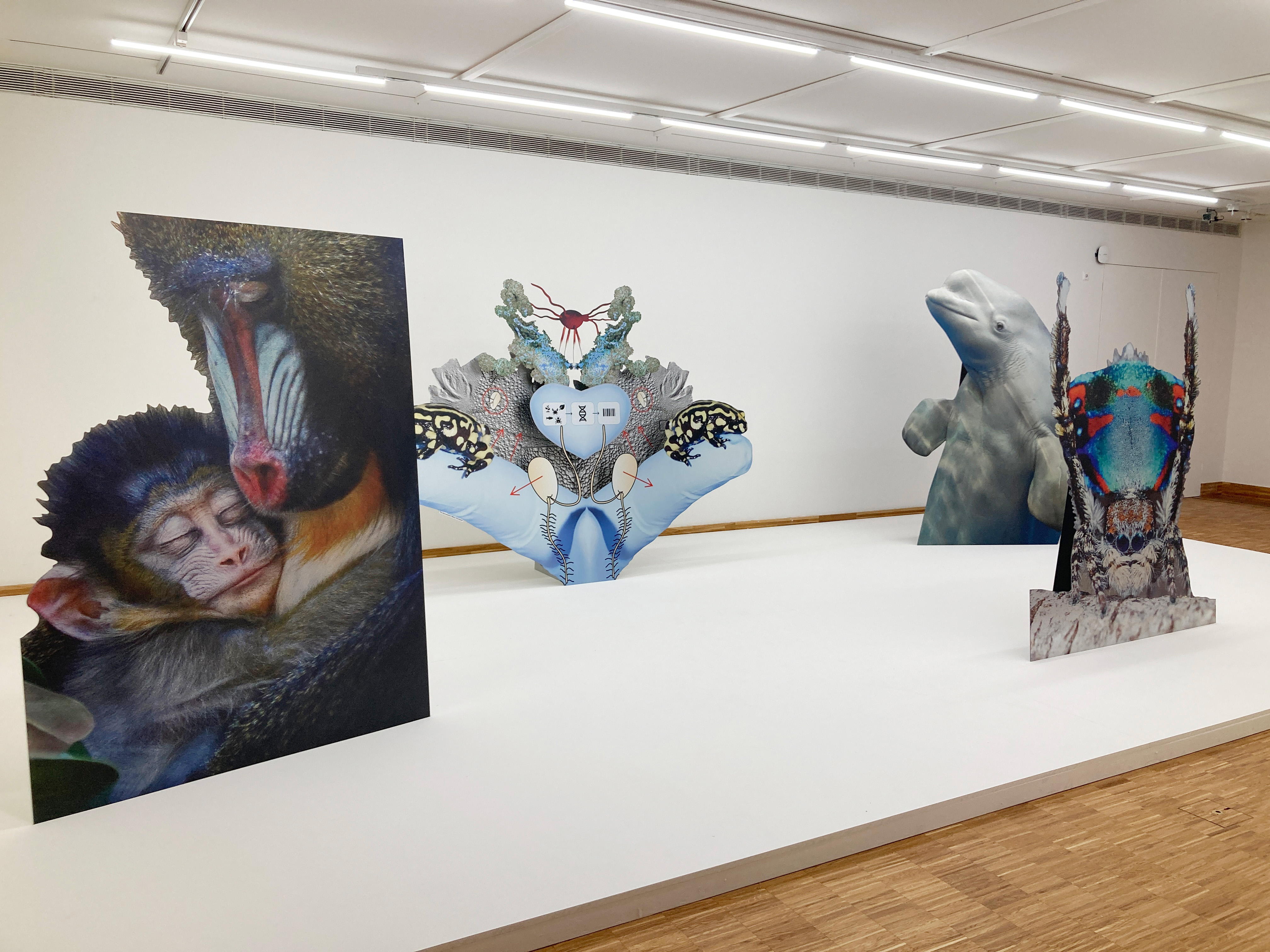
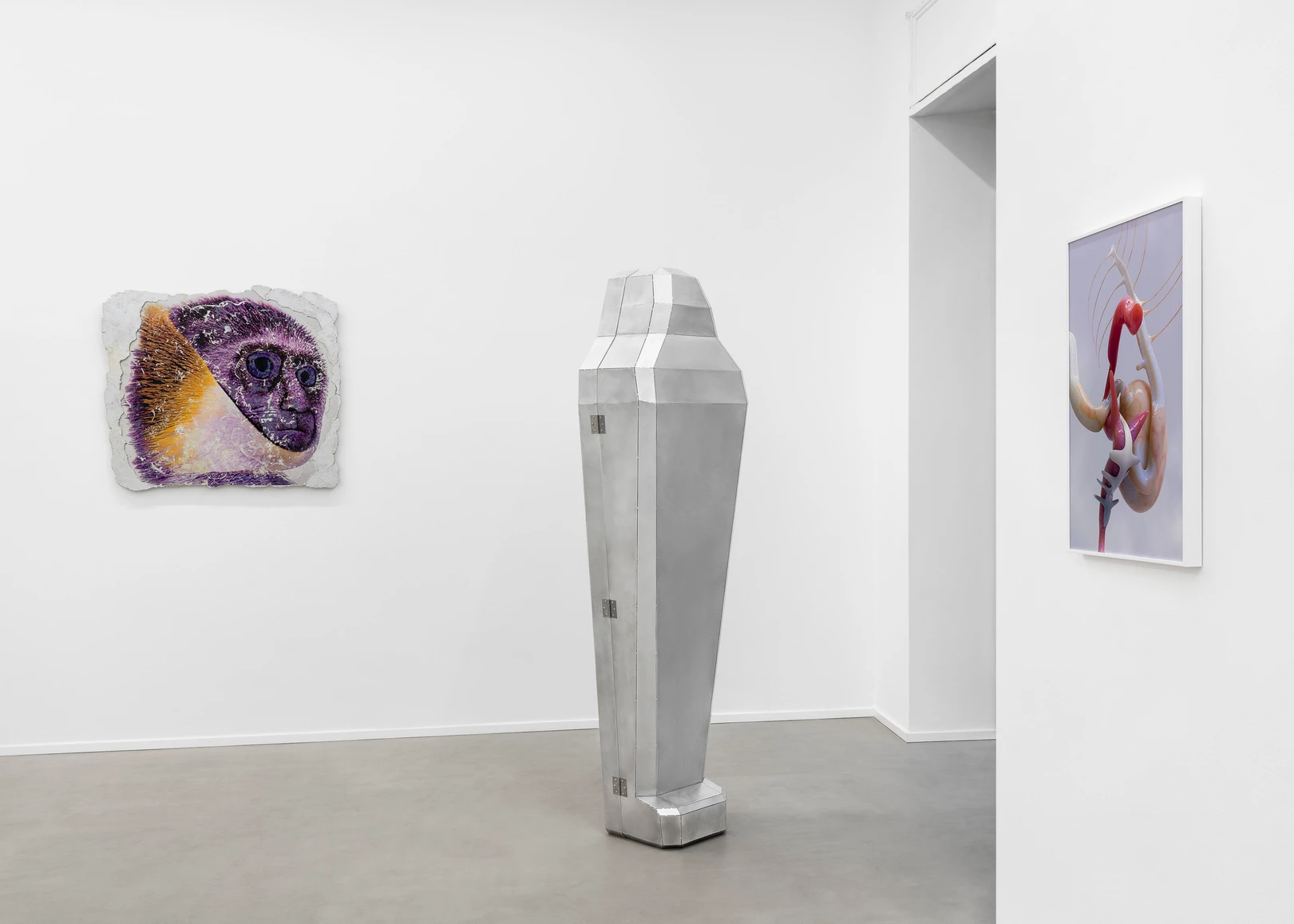
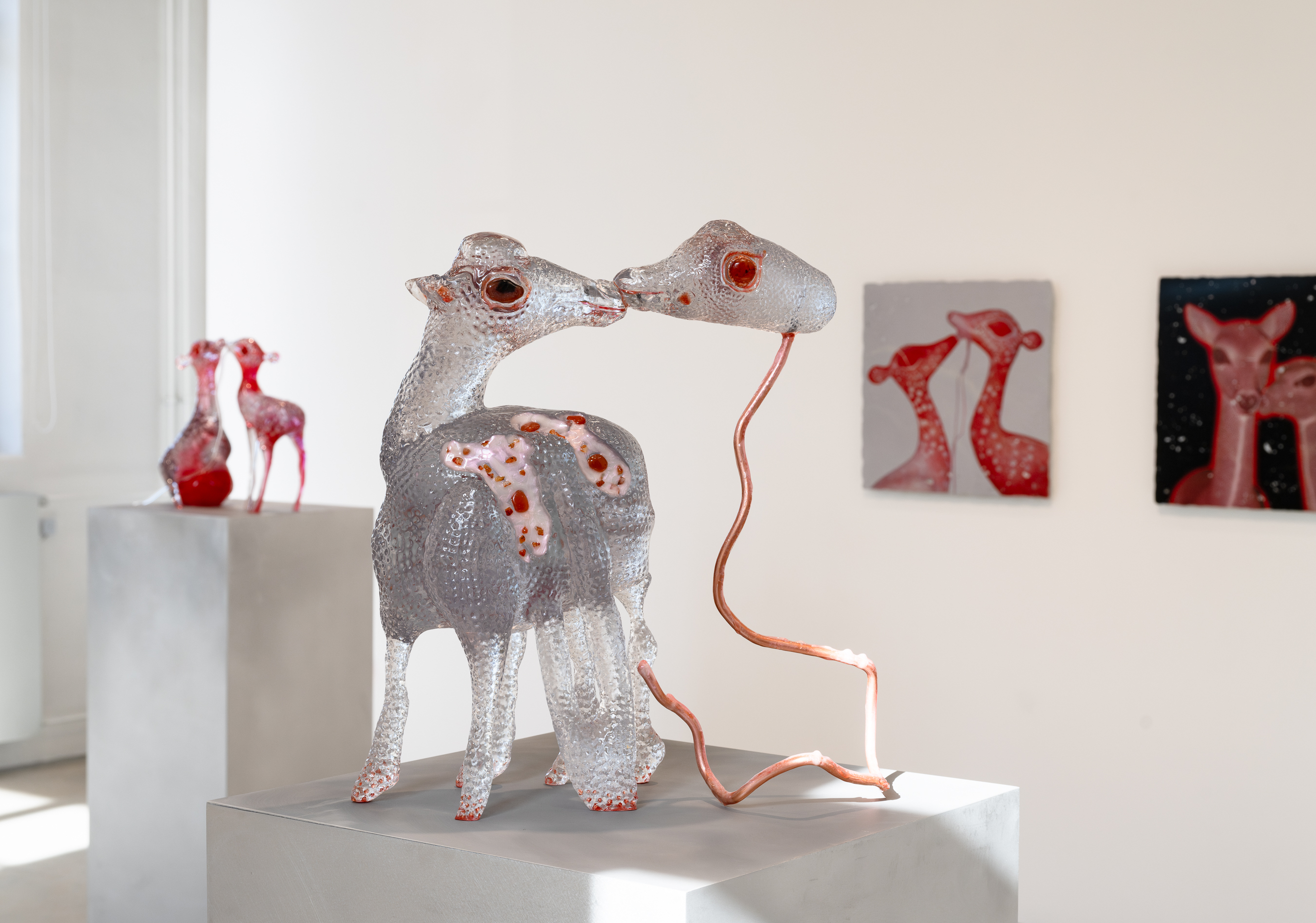
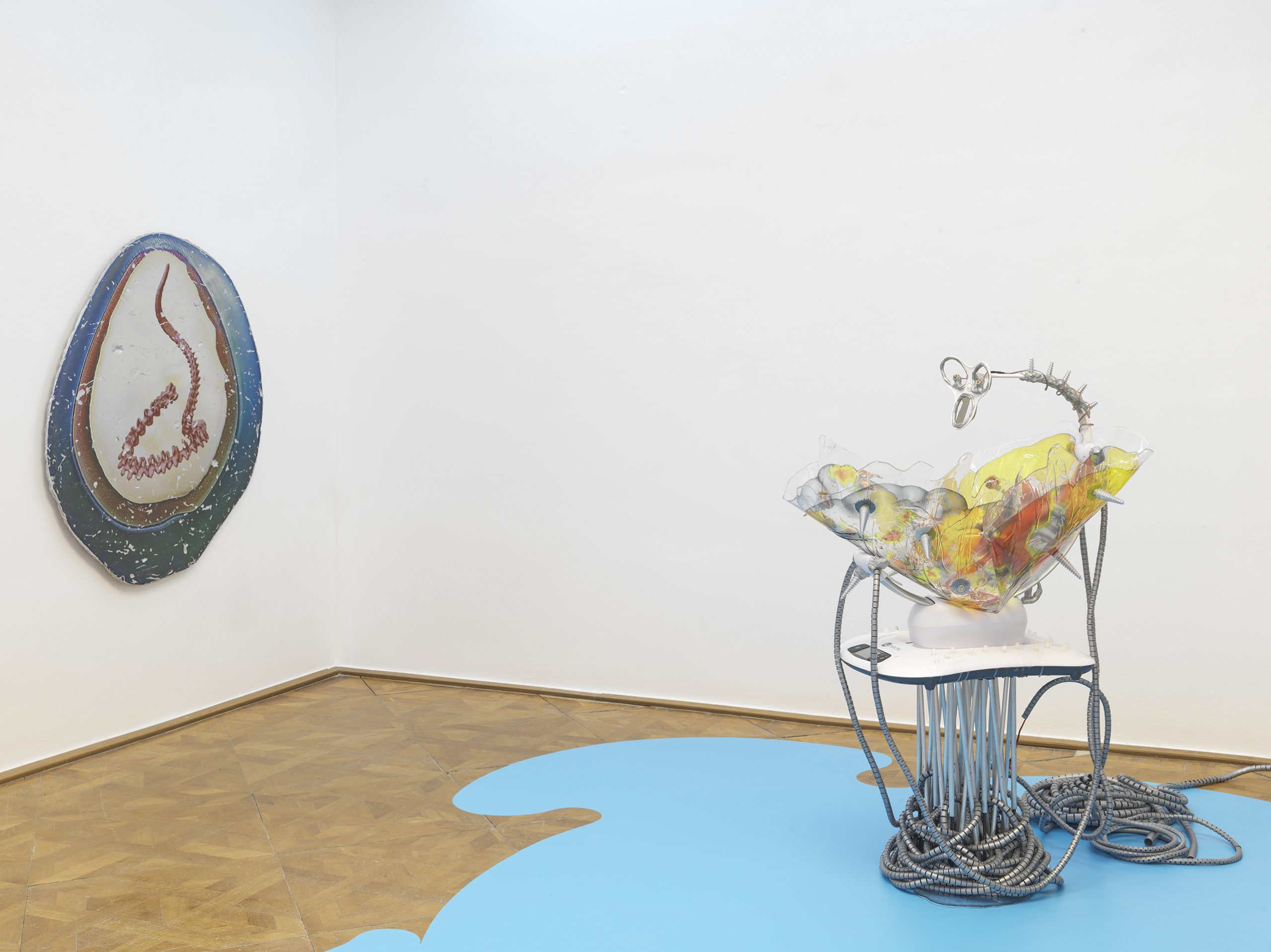
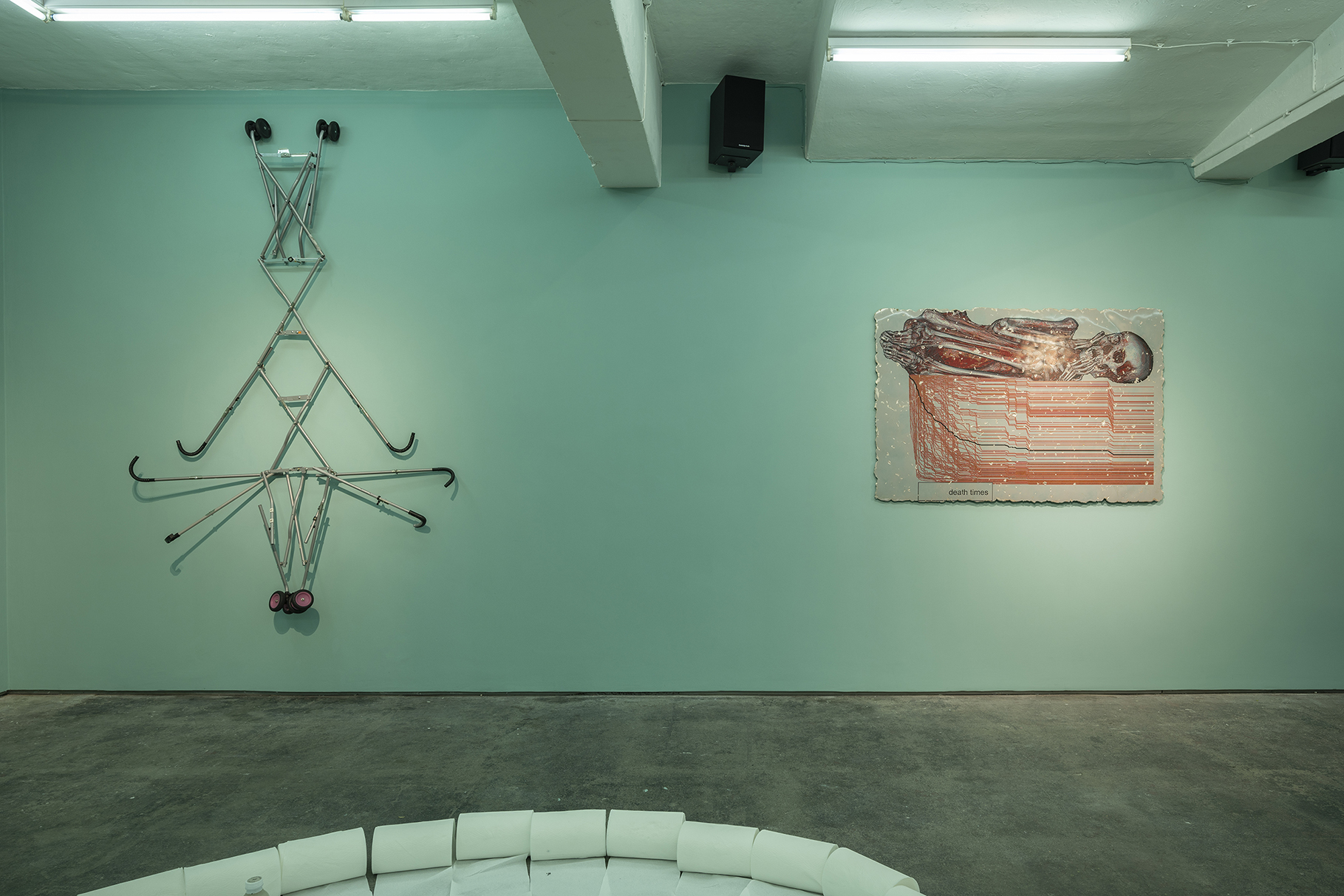
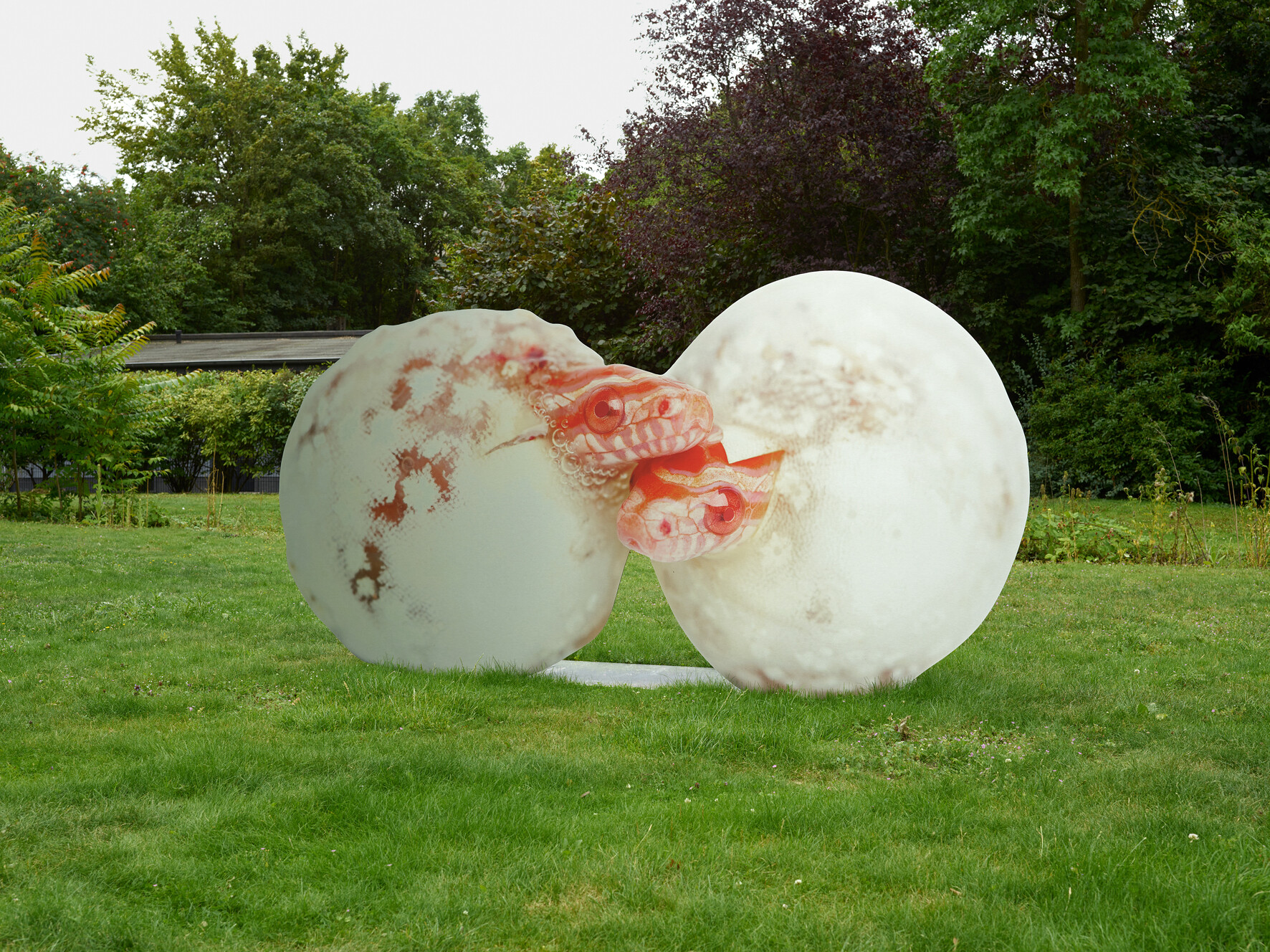
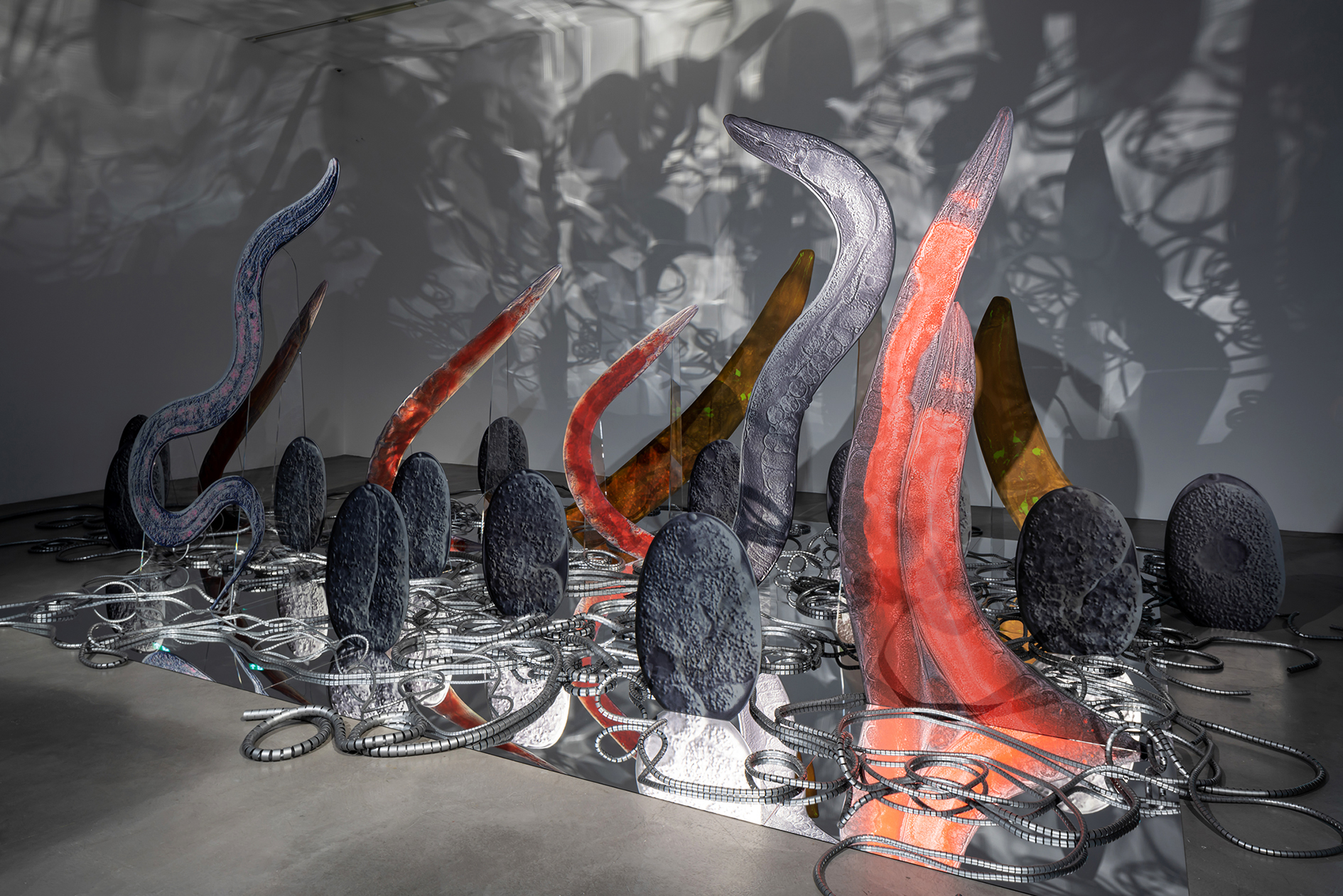
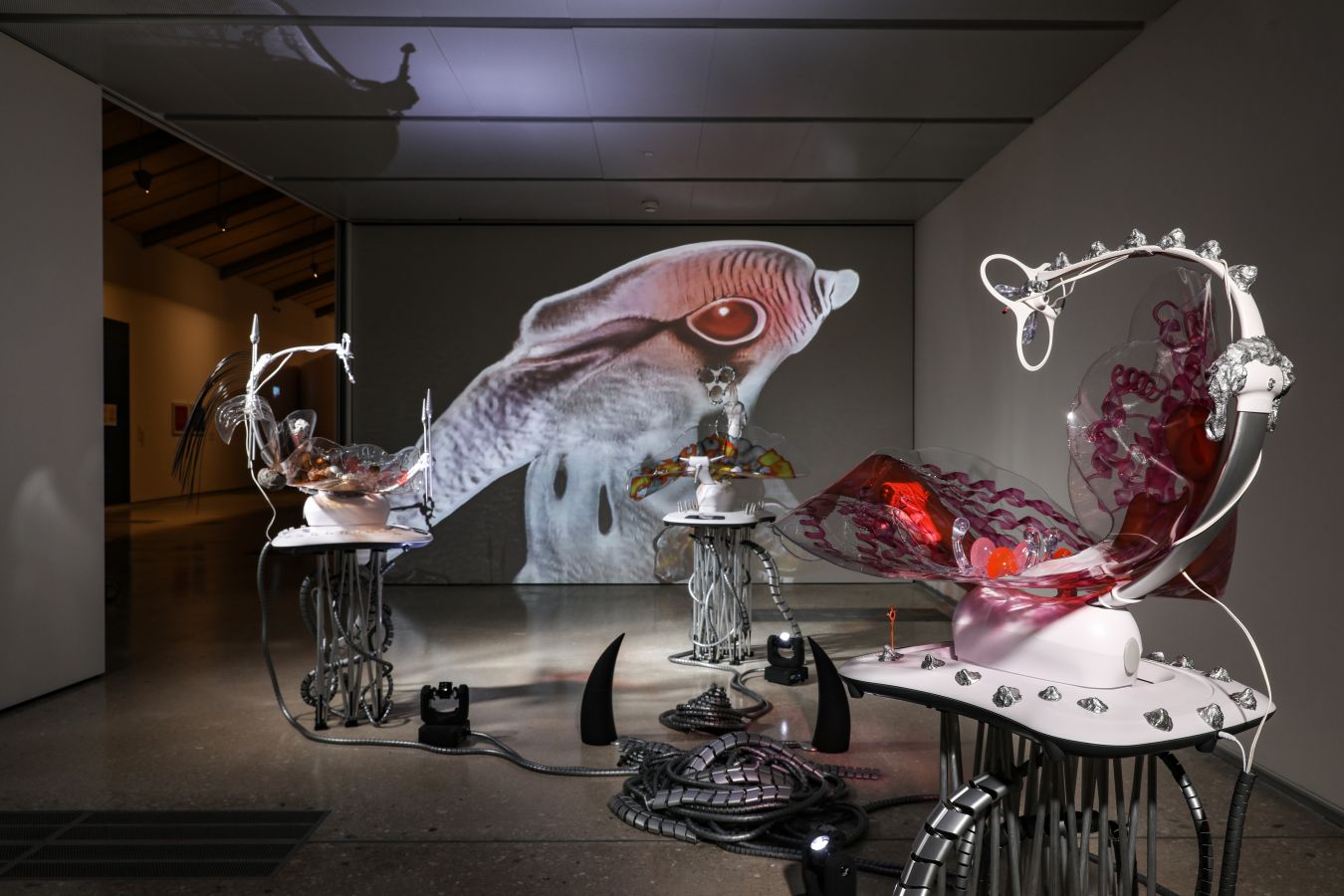
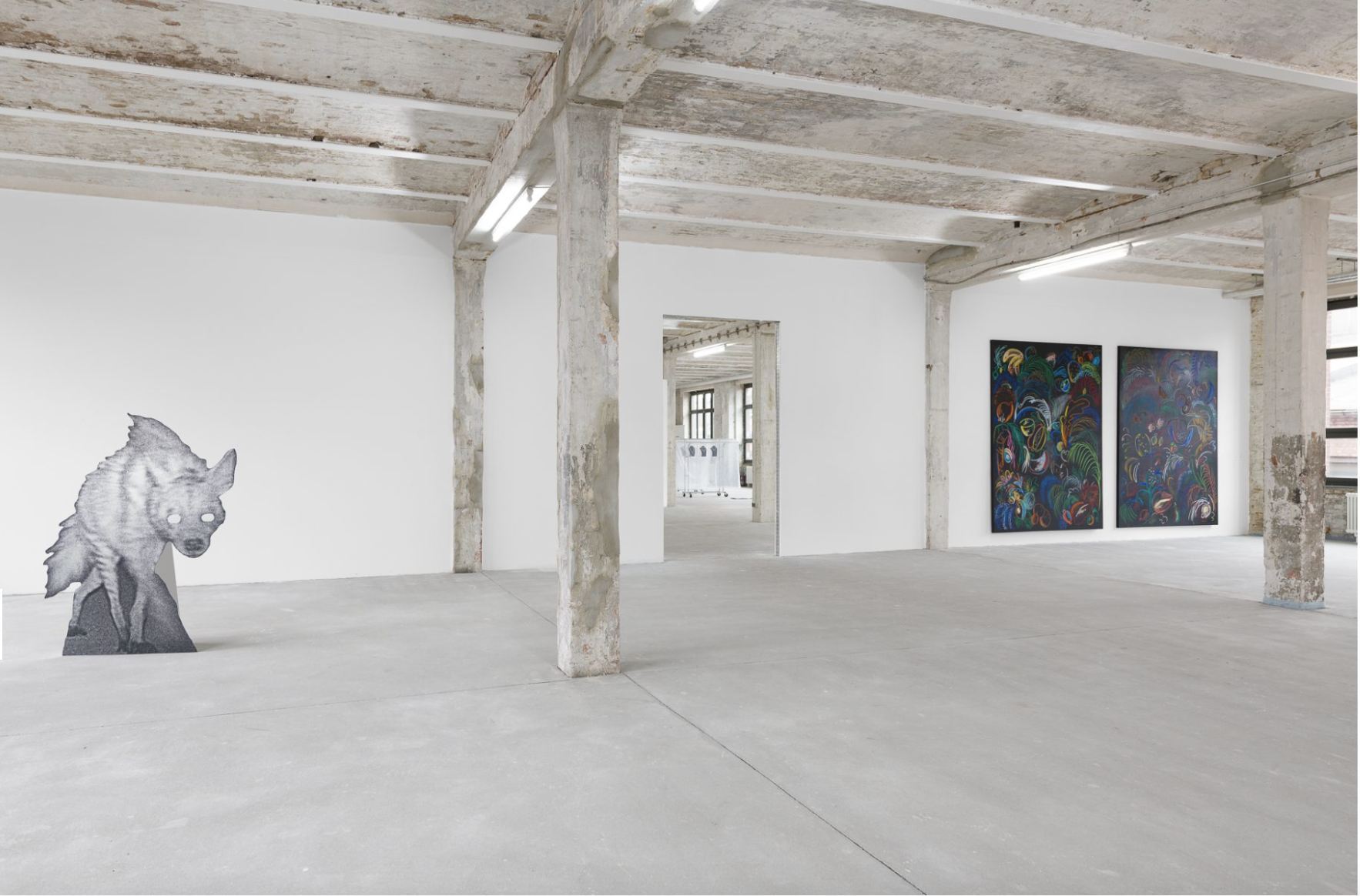
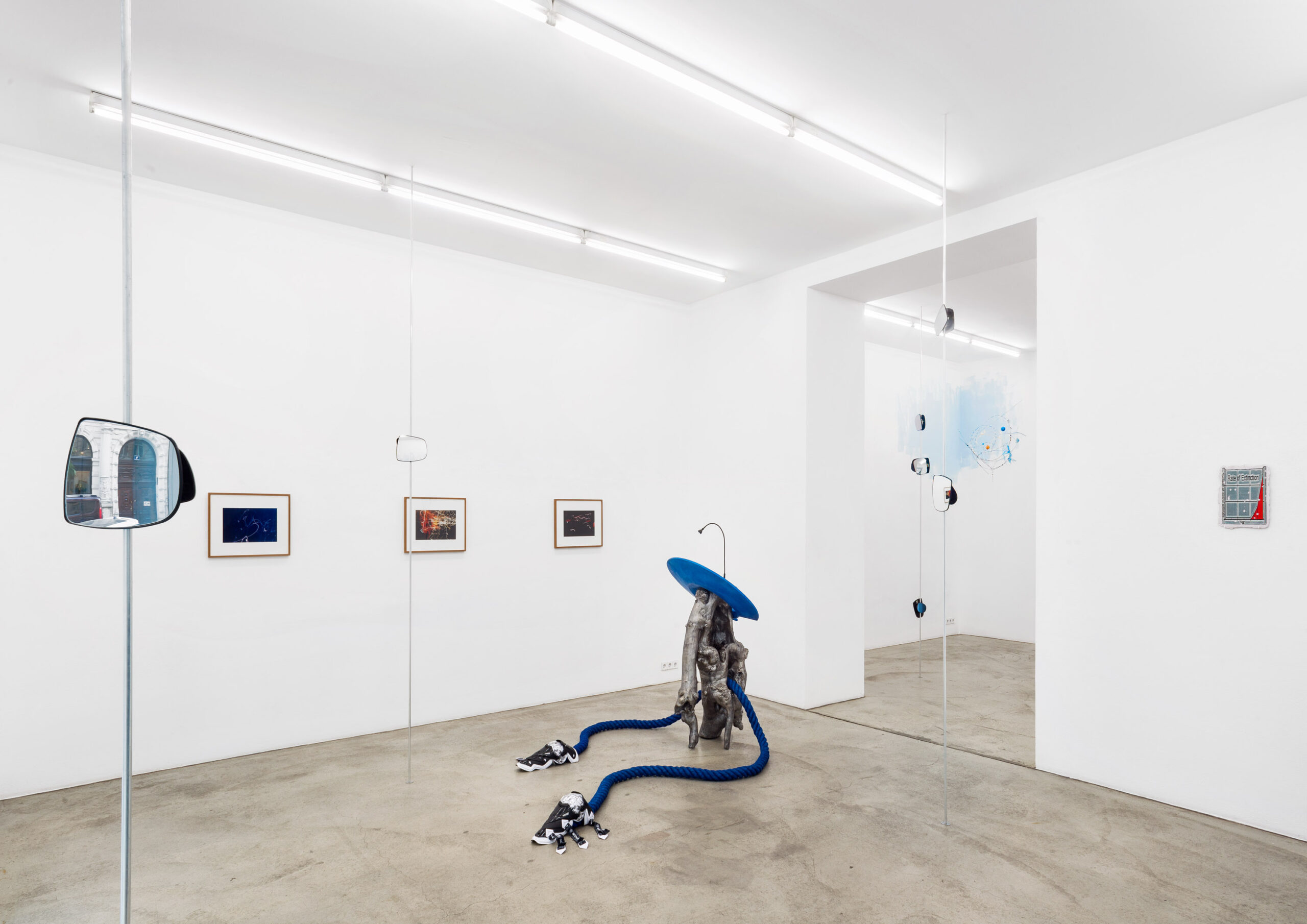
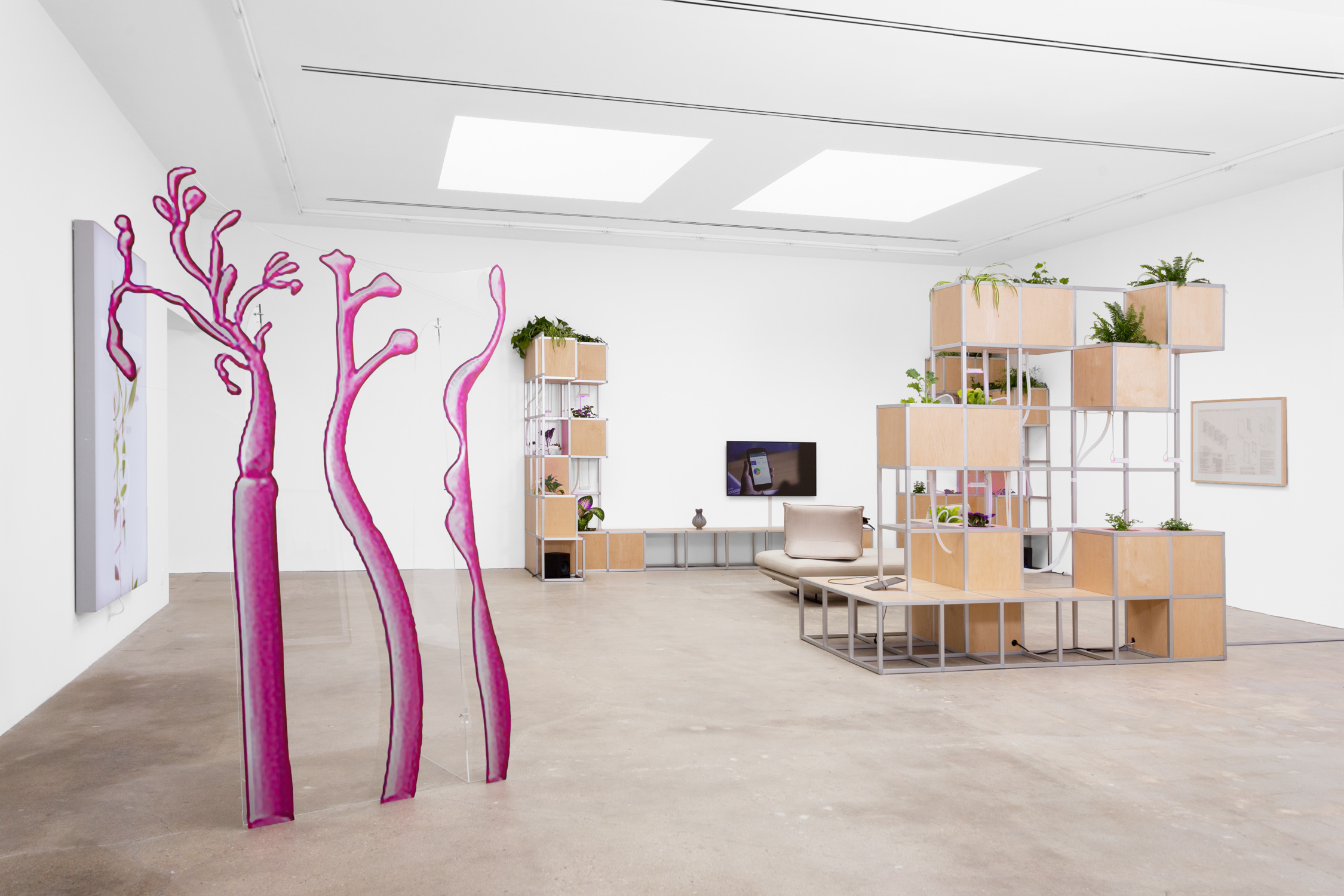
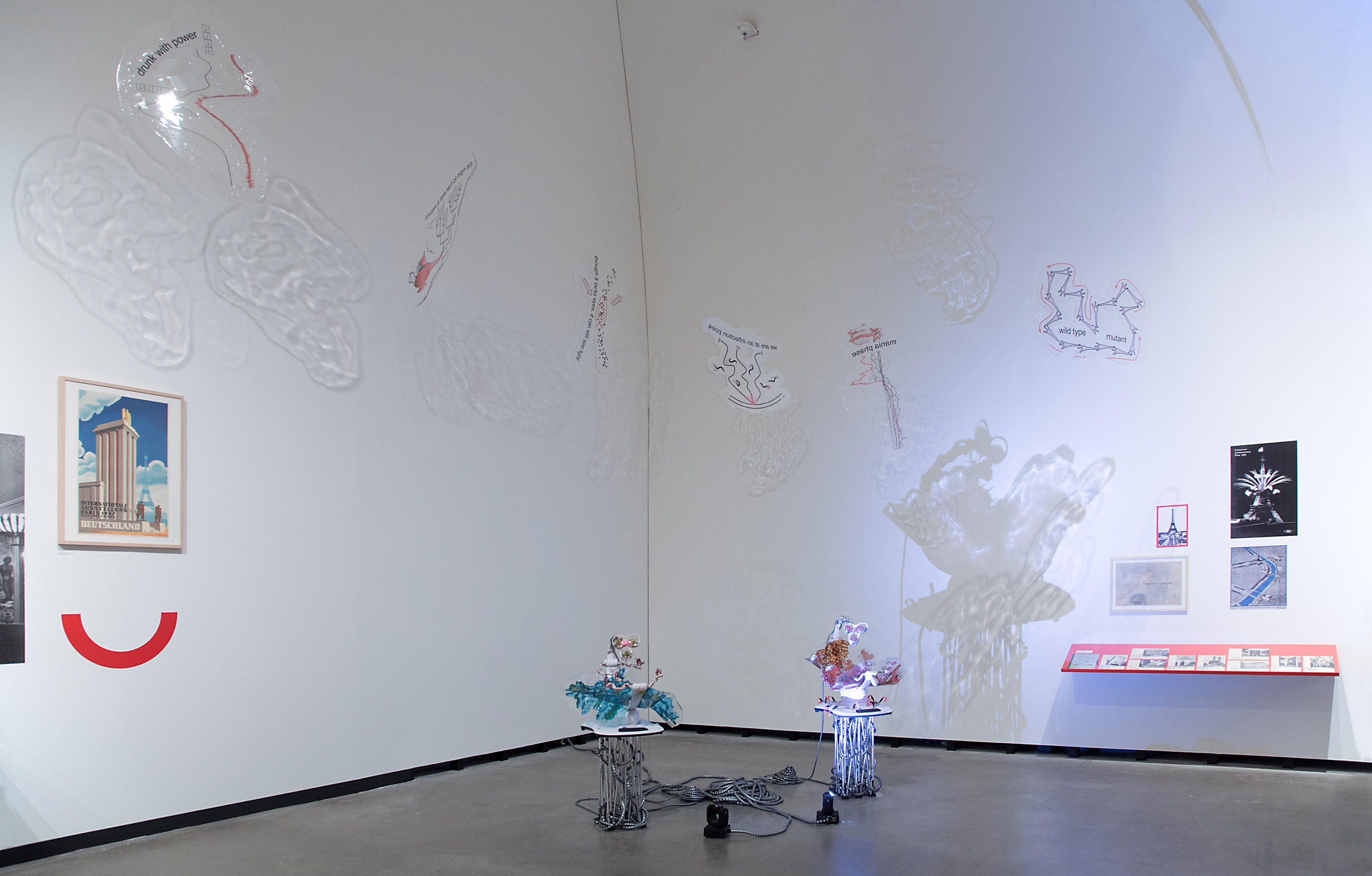
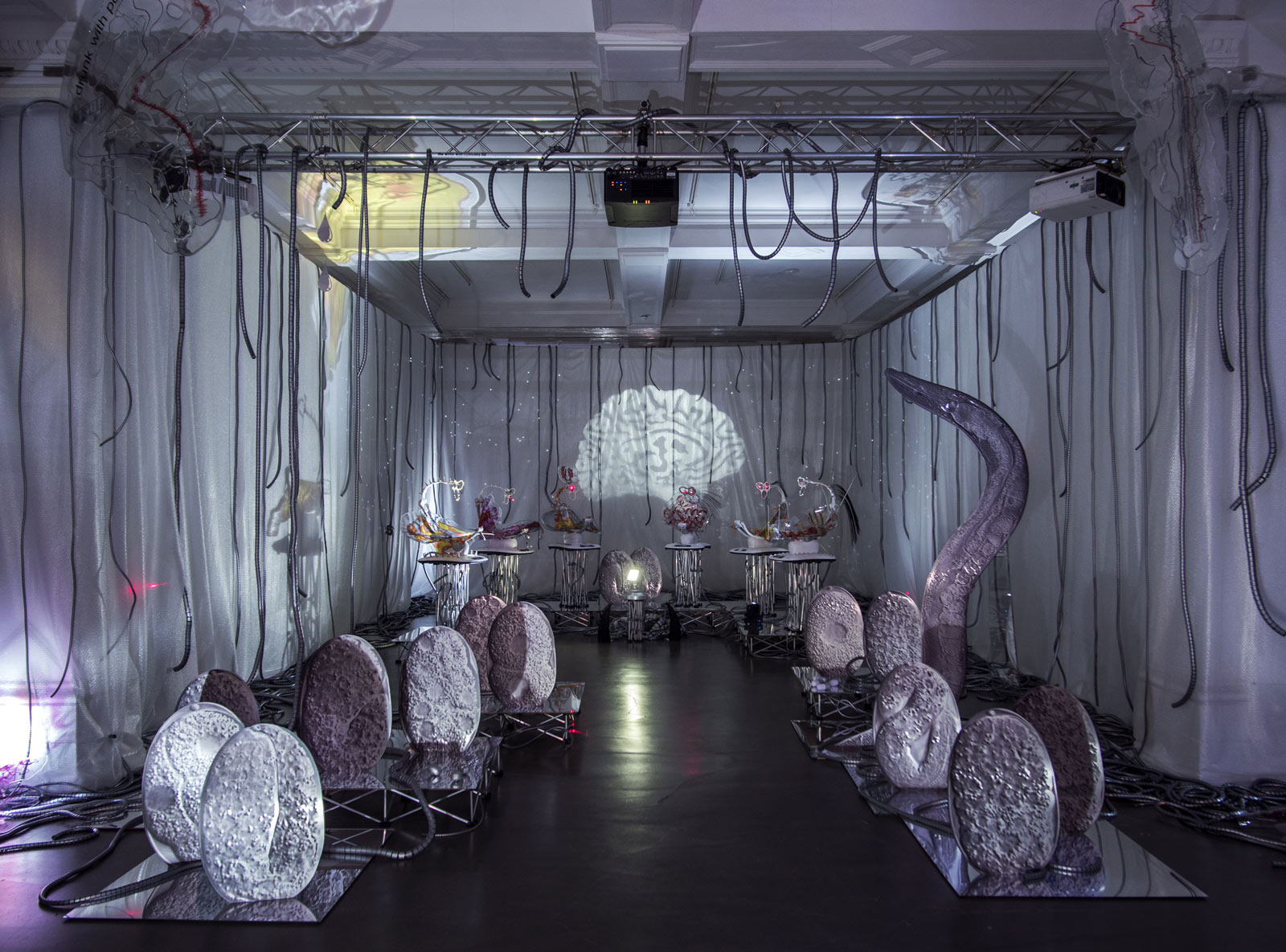
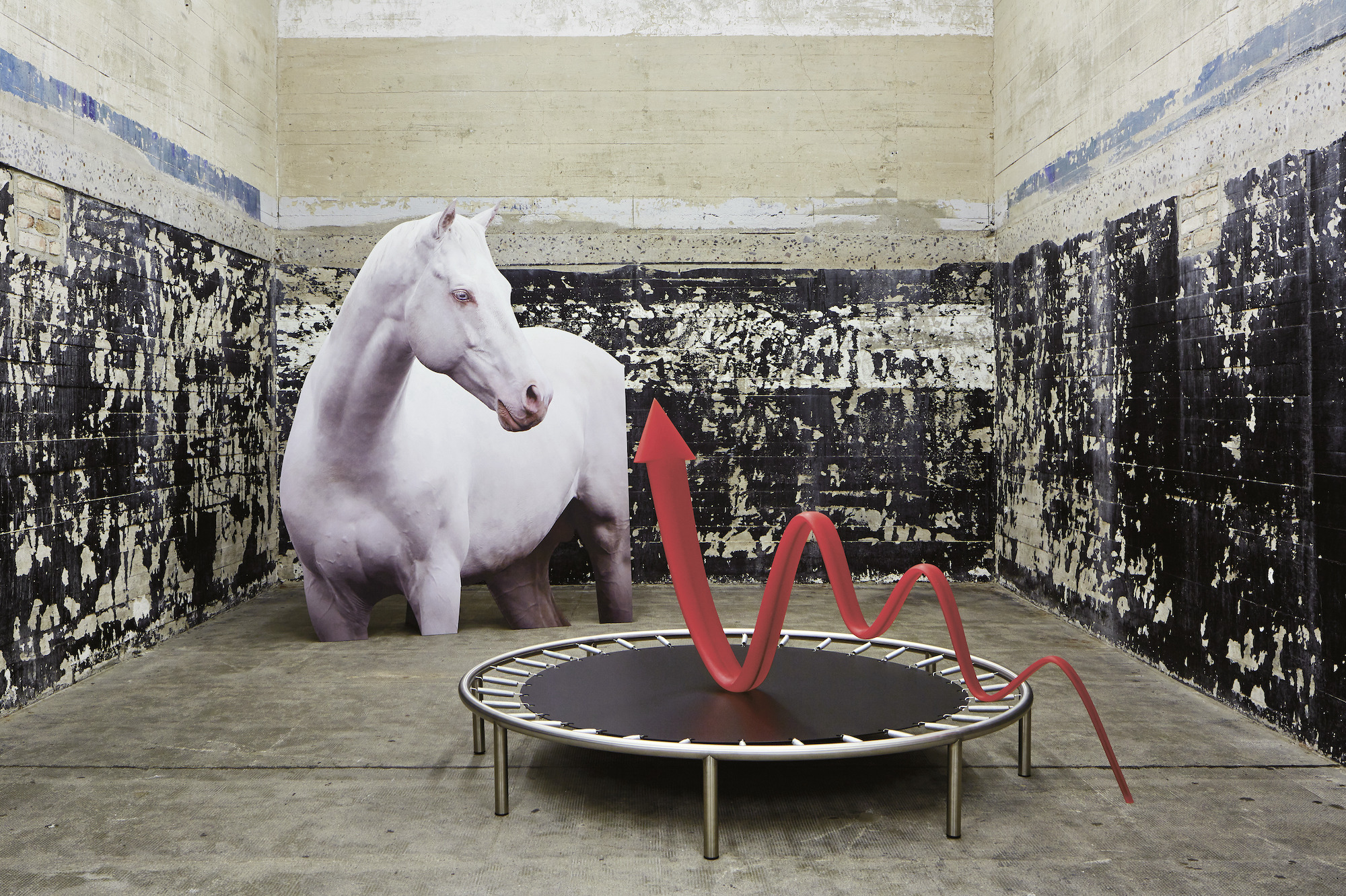
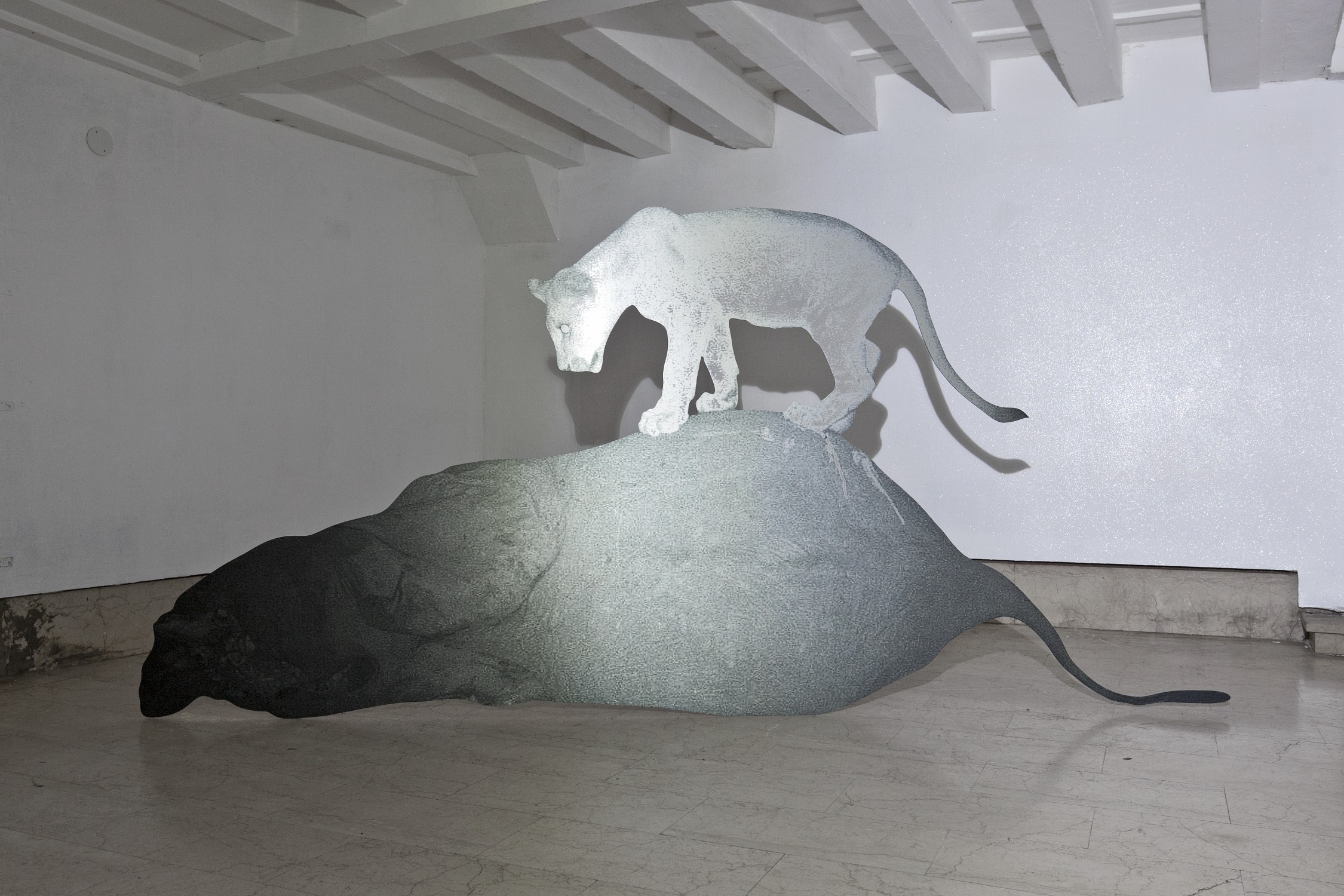
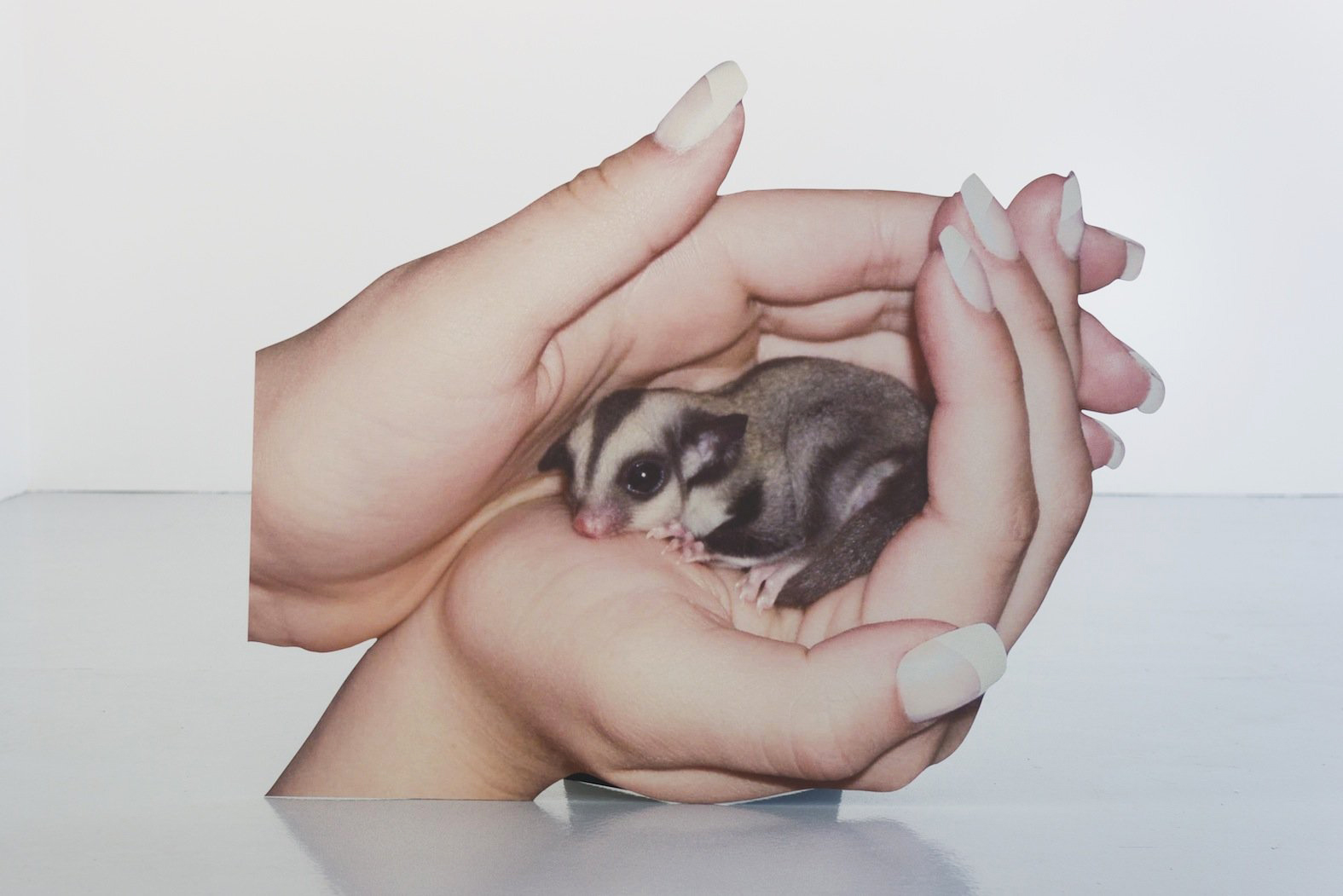
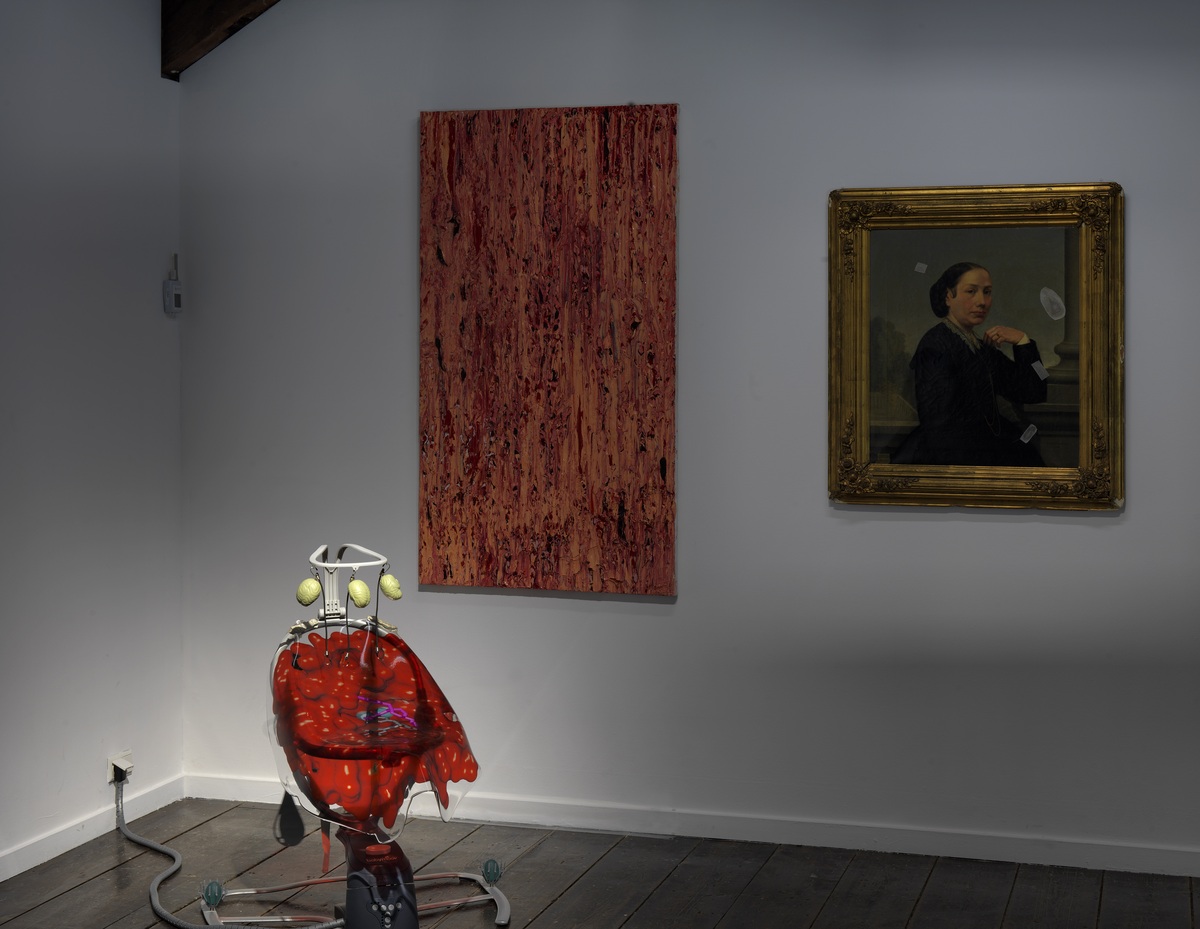
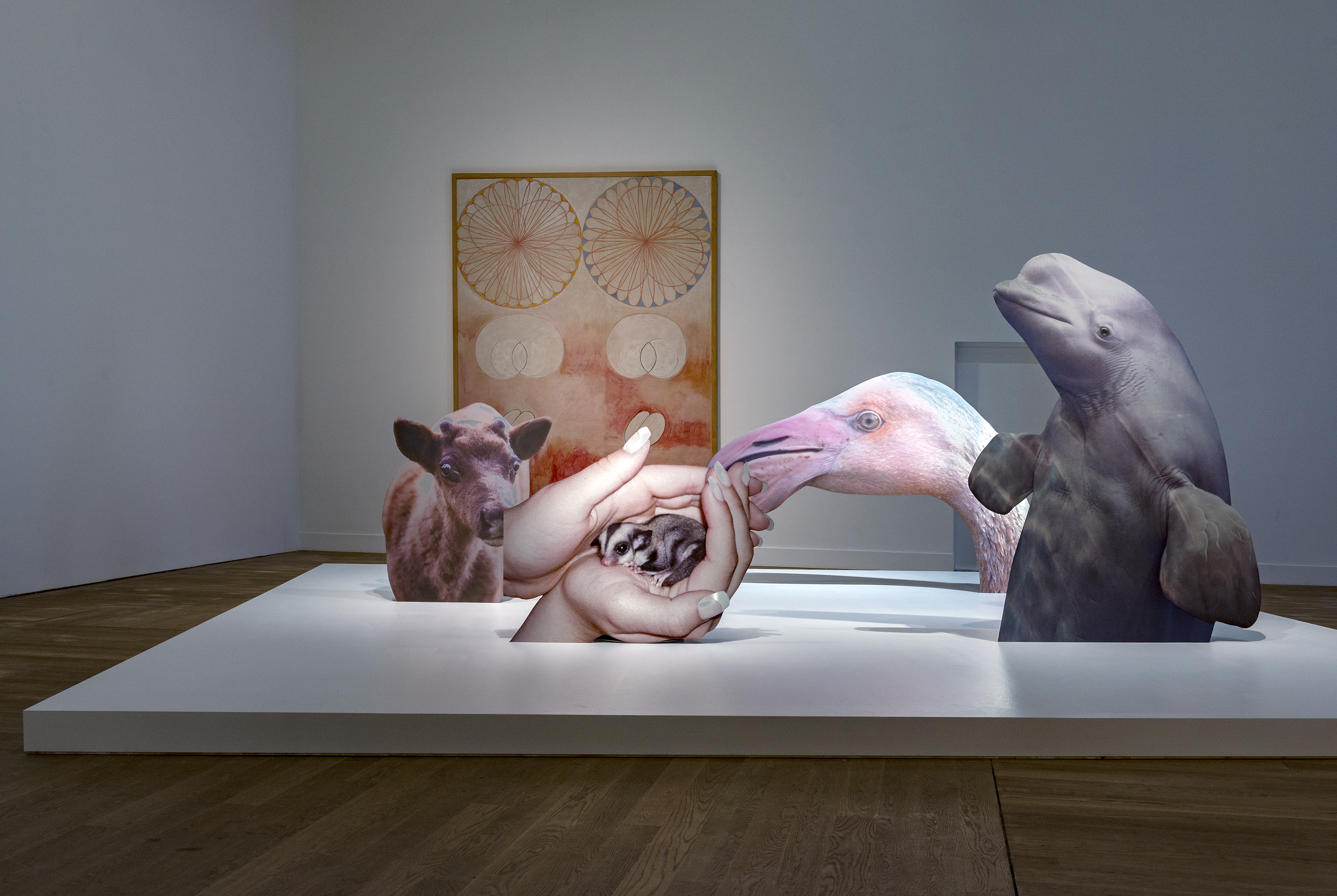
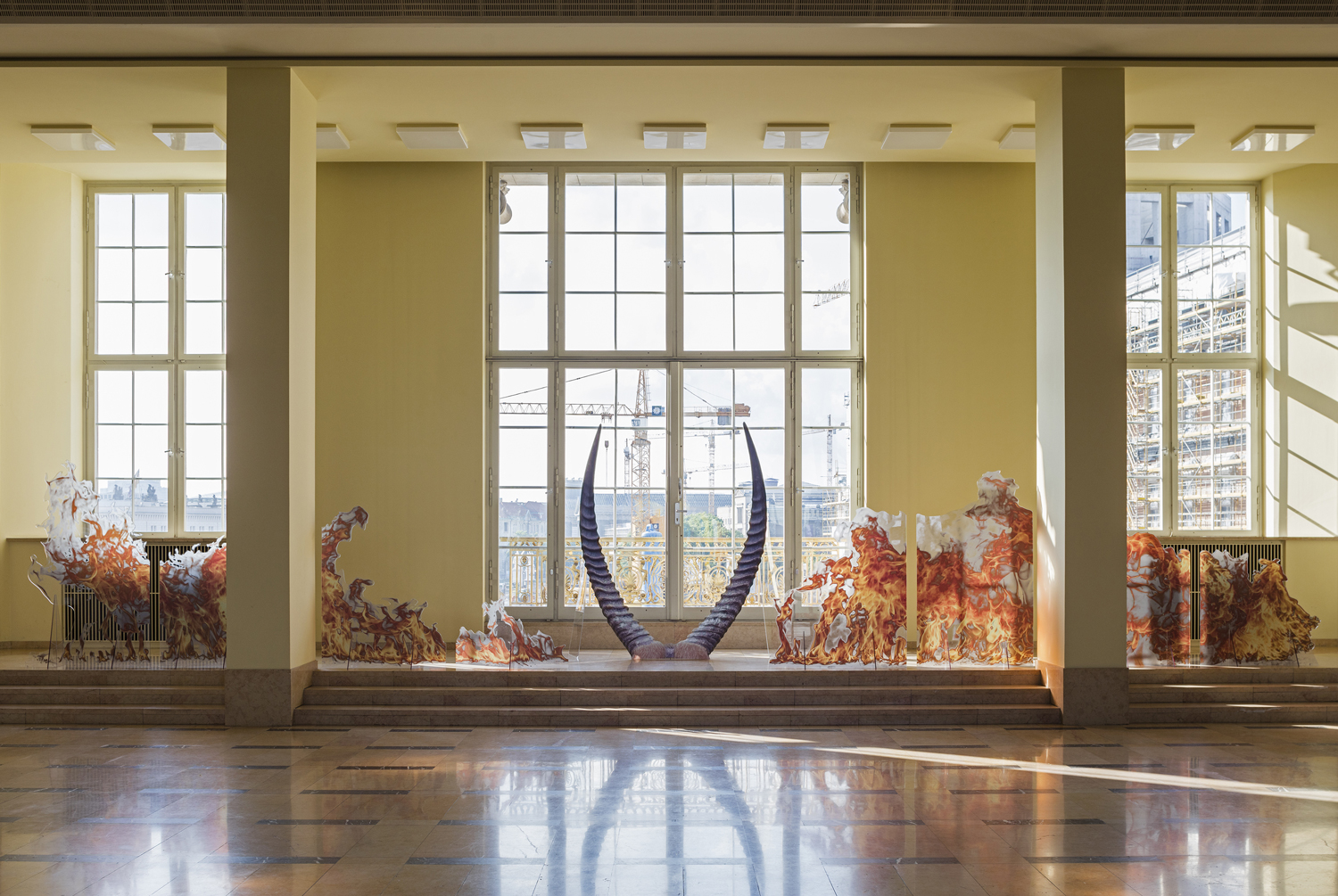
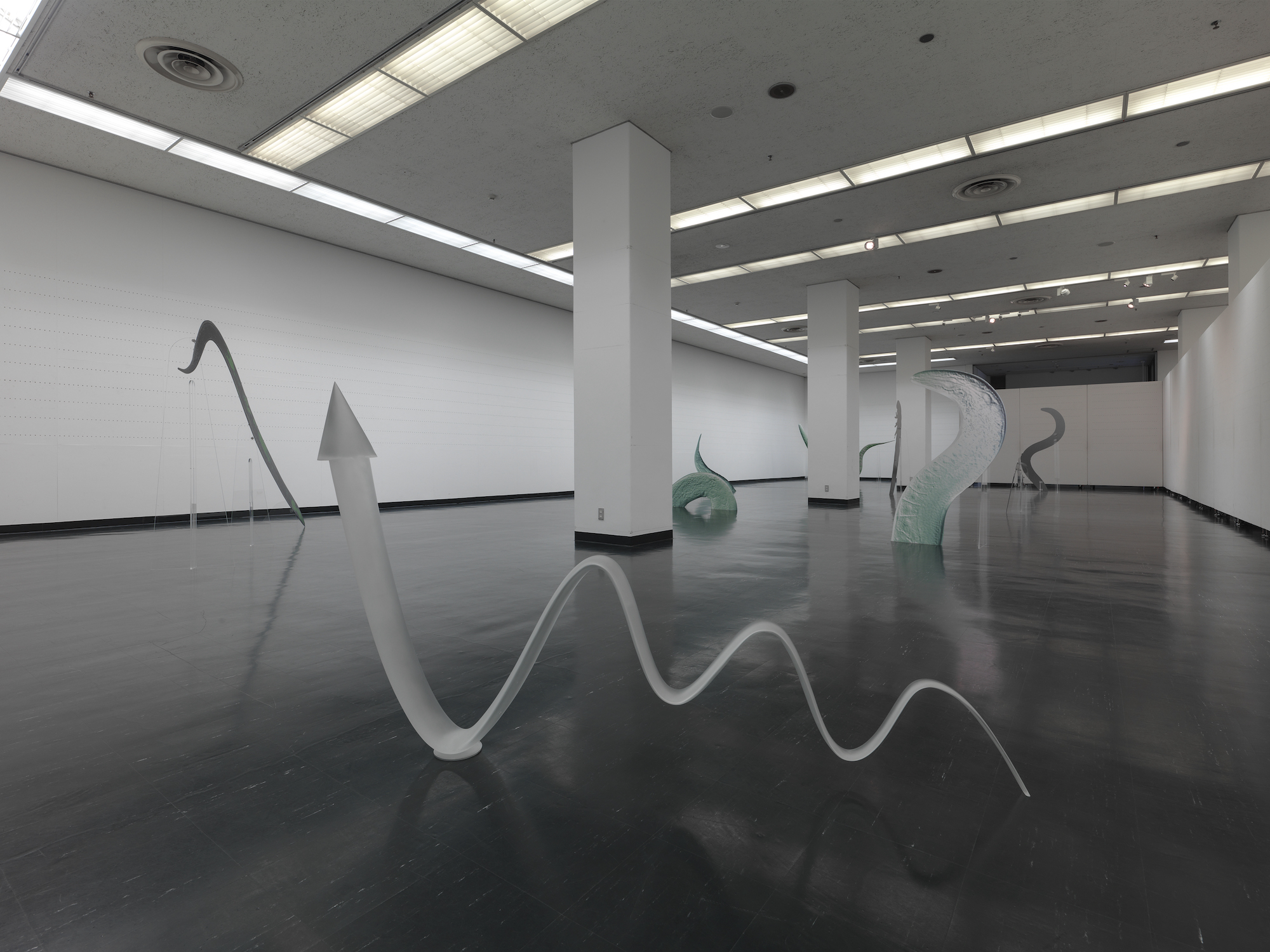
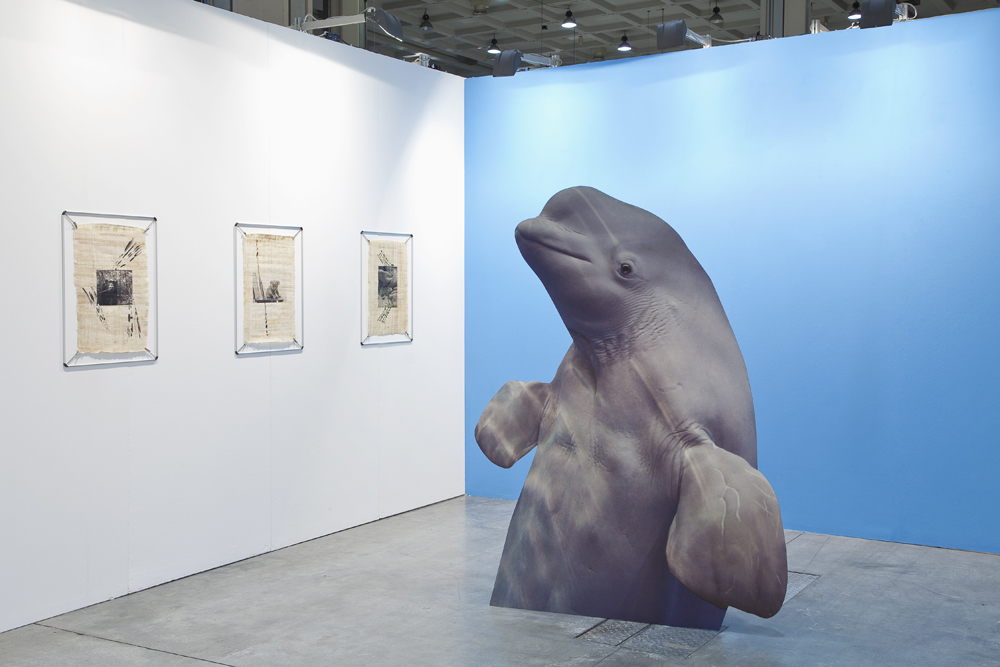
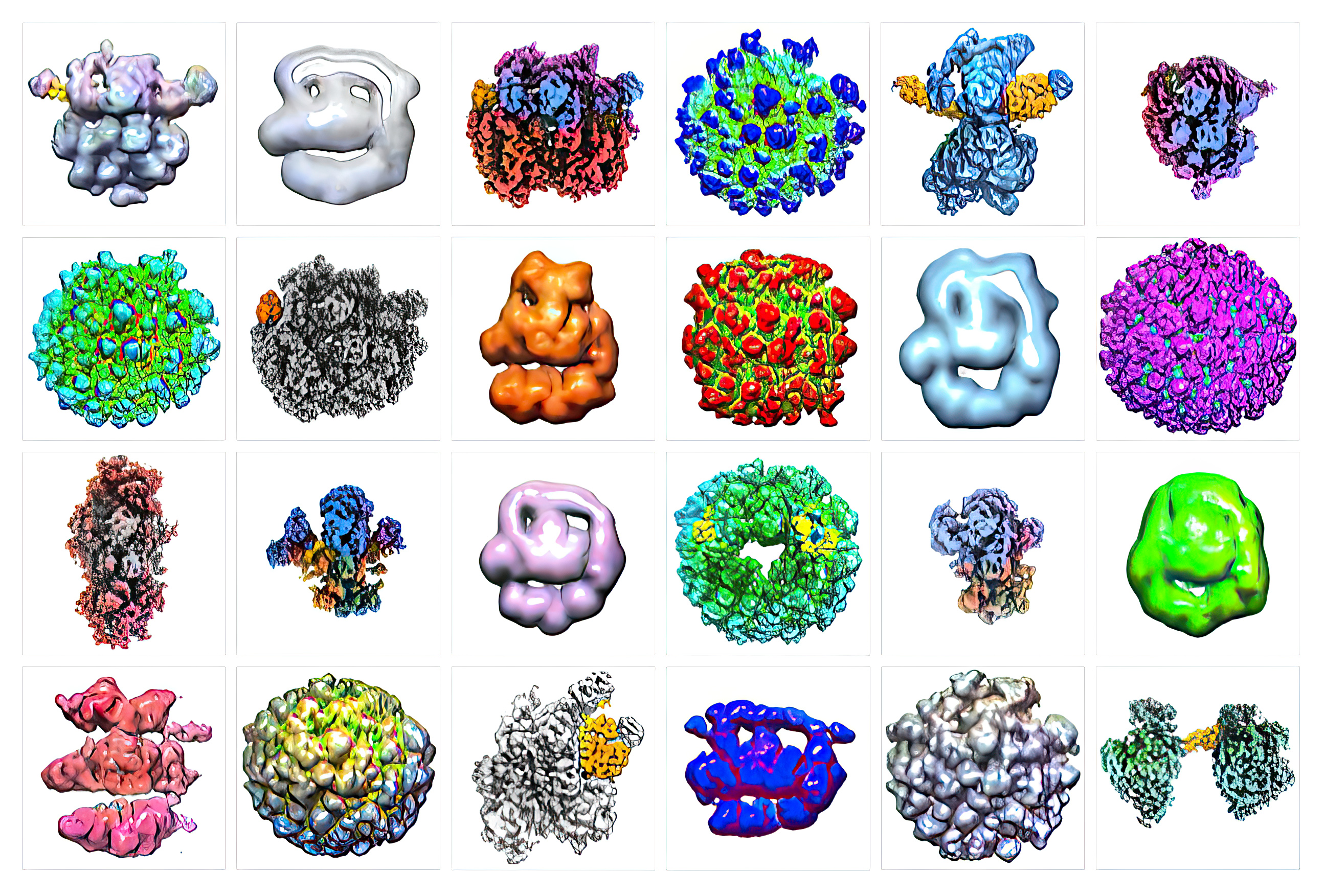
The group exhibition {class} delves deeper into the nature of the real and true consequences of computational classification. Artists: Mimi Ọnụọha, Tega Brain, Julian Oliver & Bengt Sjölén, Coralie Vogelaar, Sam Lavigne, Katja Novitskova, Bieke Depoorter & Dries Depoorter.
Curated by Florian Weigl.
Computational classification, or sorting, is a key concept in V2_’s long-term research into Artificial Inequality, the imbalance between those who benefit from technological advances and those who pay the price for such ‘progress’. The art and design projects that we produce and present to explore this imbalance, reveal or underline how the classification that is embedded in algorithms determines who and what is of value, and who and what is not. The capacity of computational algorithms to sort everything in categories is something to both desire as well as resist. Desire: because it is key to making sense of the world (we humans also constantly use sorting to make sense of the world). Resist: because it is at the core of many of today’s societal tensions and frictions.
Or, in the words of Mimi Ọnụọha, whose work inspired this exhibition: To classify is human, and increasingly classification is algorithmic. We are grouped and sorted by models, computers, and algorithms. These algorithmic classifications are more likely to be perceived as true than human sortings, regardless of how arbitrary they are. And things that have been perceived as true have real and true consequences.
Exhibition
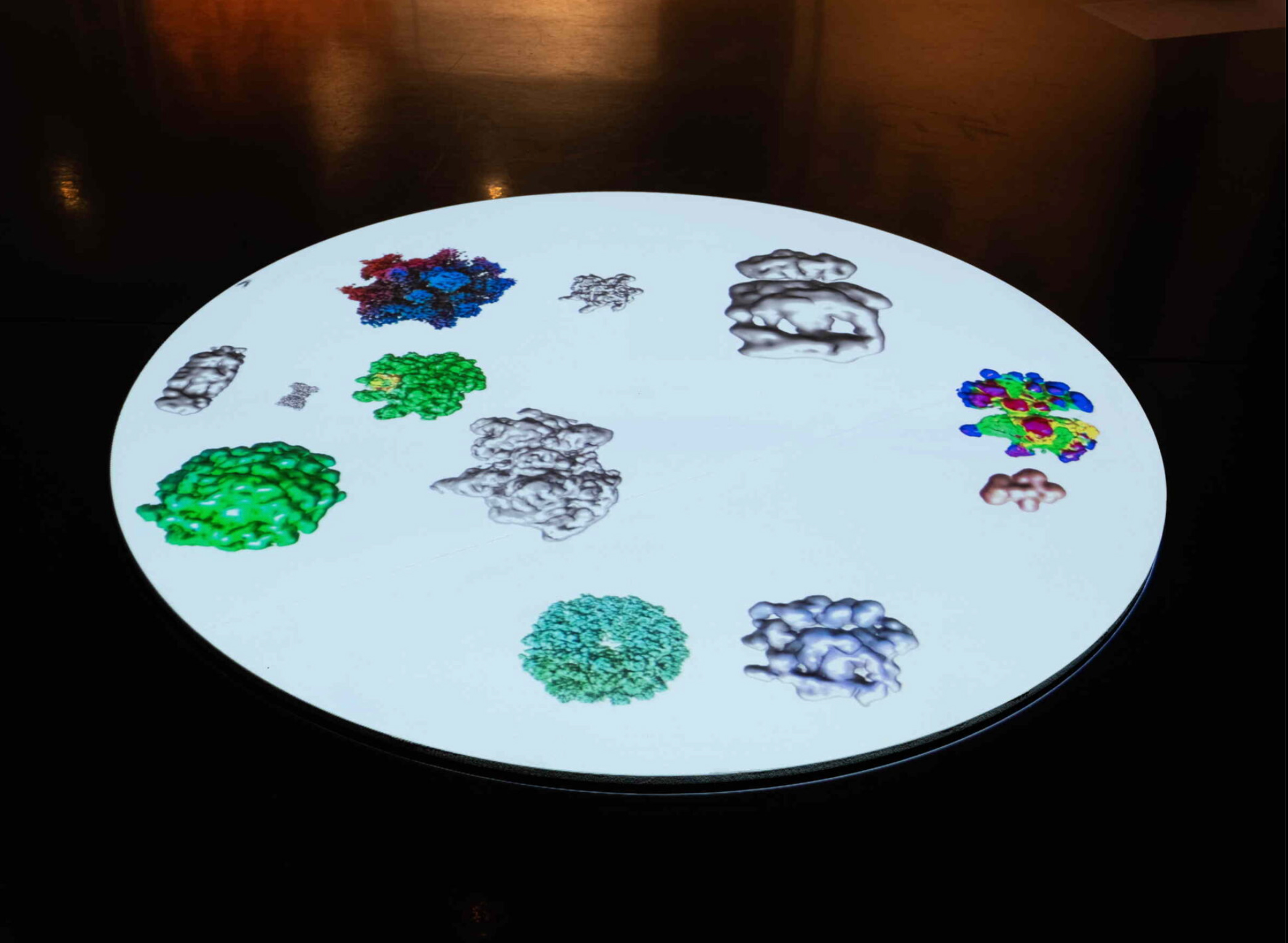
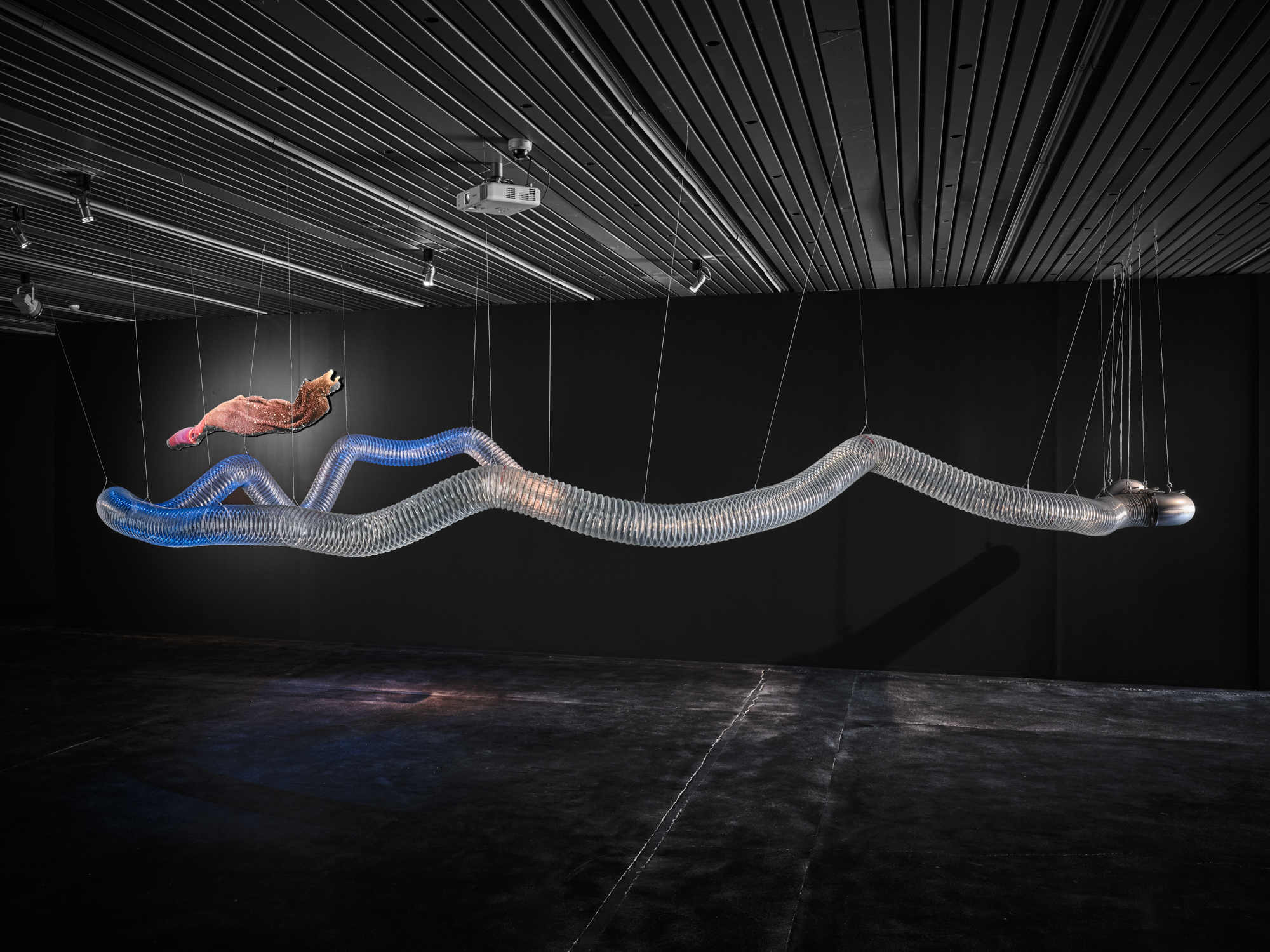
The group exhibition {class} shows V2_ productions alongside works developed elsewhere and delves deeper into the nature of the real and true consequences of computational classification. Instead of warning against the use of algorithms, or proposing technological improvement to their ability to classify, {class} inspires visitors to ask questions about these real and true effects: What happens if you give insight into how algorithms sort? Can a transportation optimization algorithm teach us something about our connection to other human bodies? Can an image surveillance system give new insights on animal migration? What to do when a protein analyzation or fraud prevention tool creates harmful situations? And what if big data with knowledge on our ecosystem is given the chance to find local solutions for our global climate challenges?
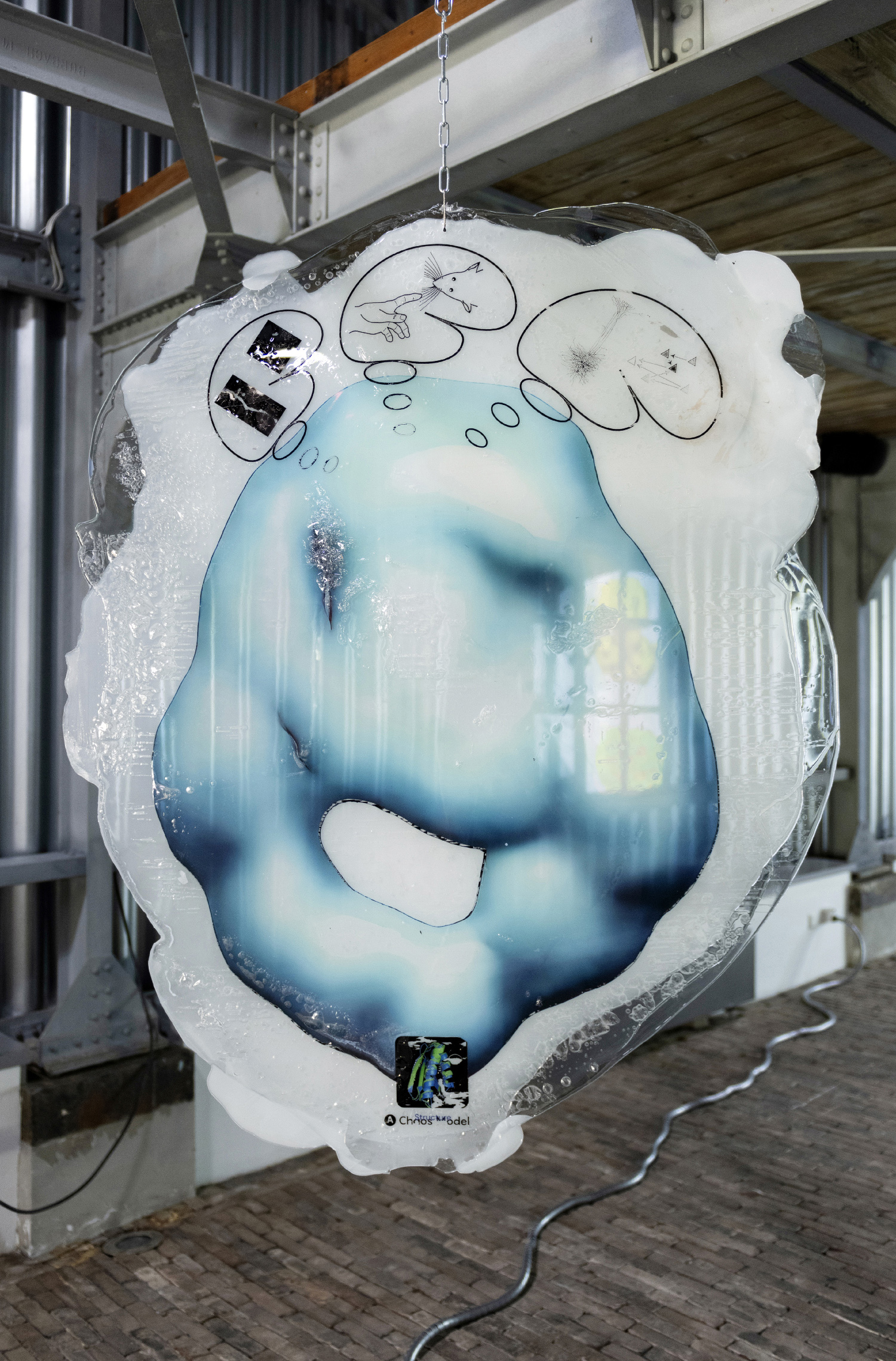
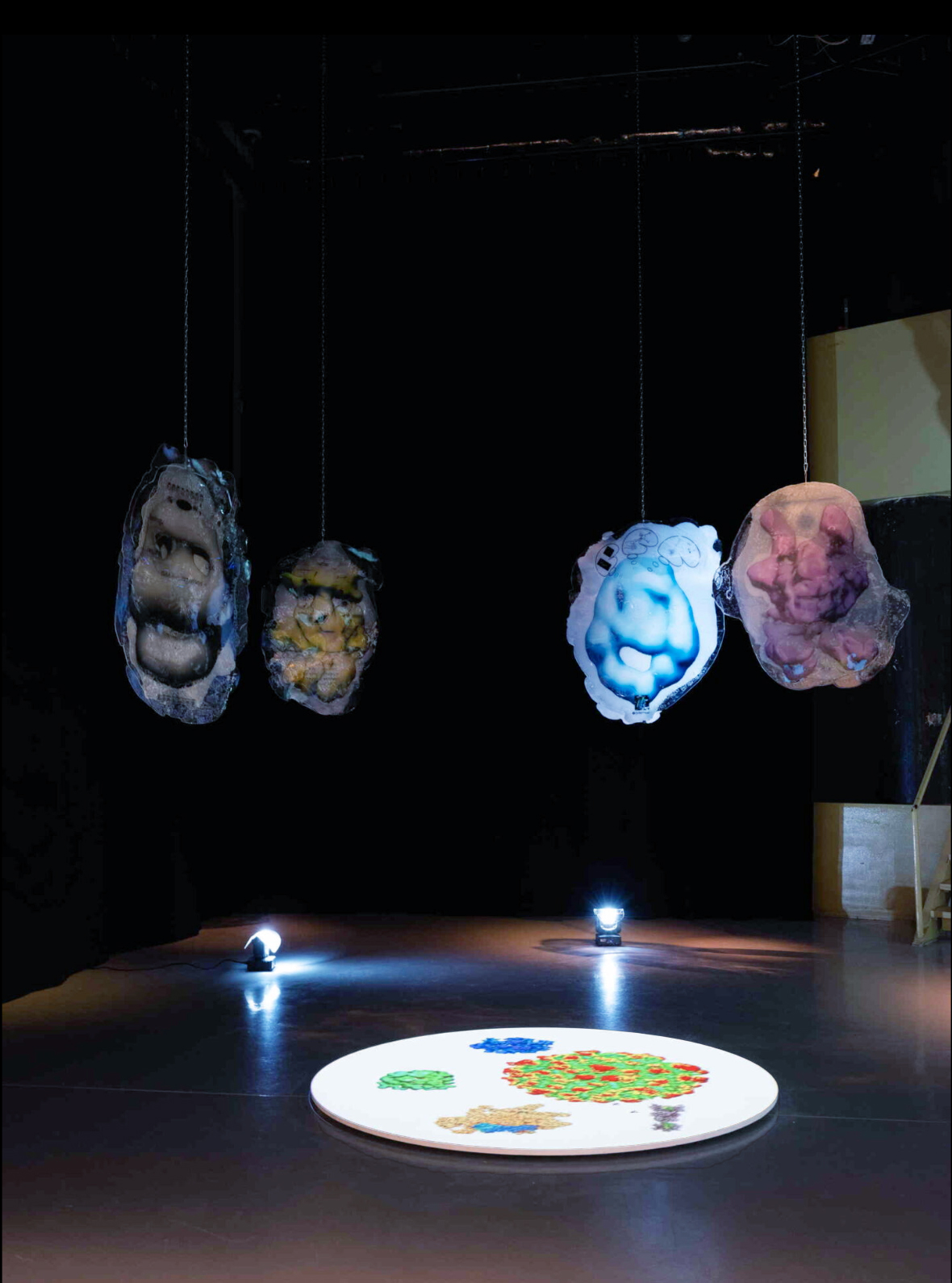
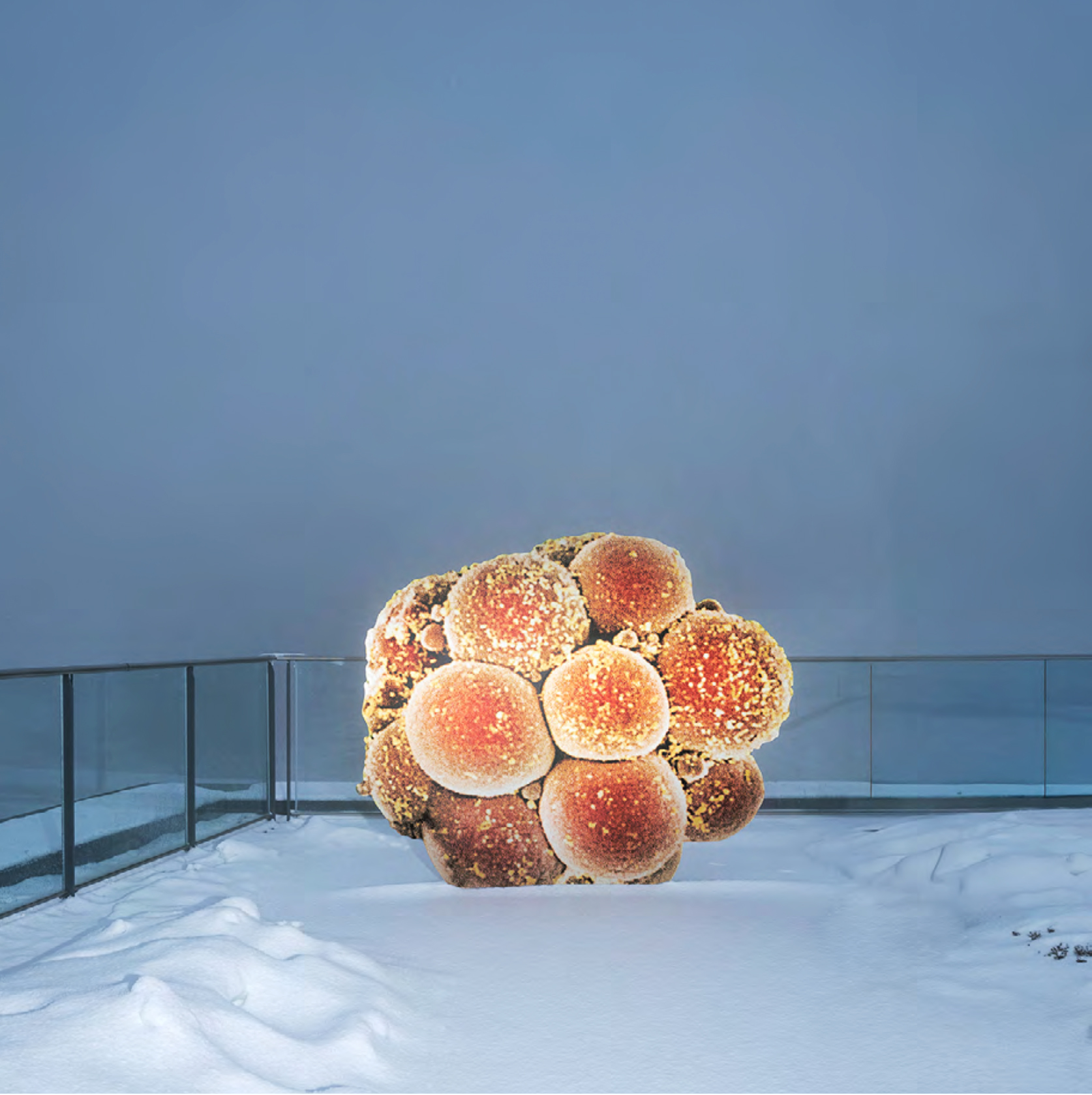
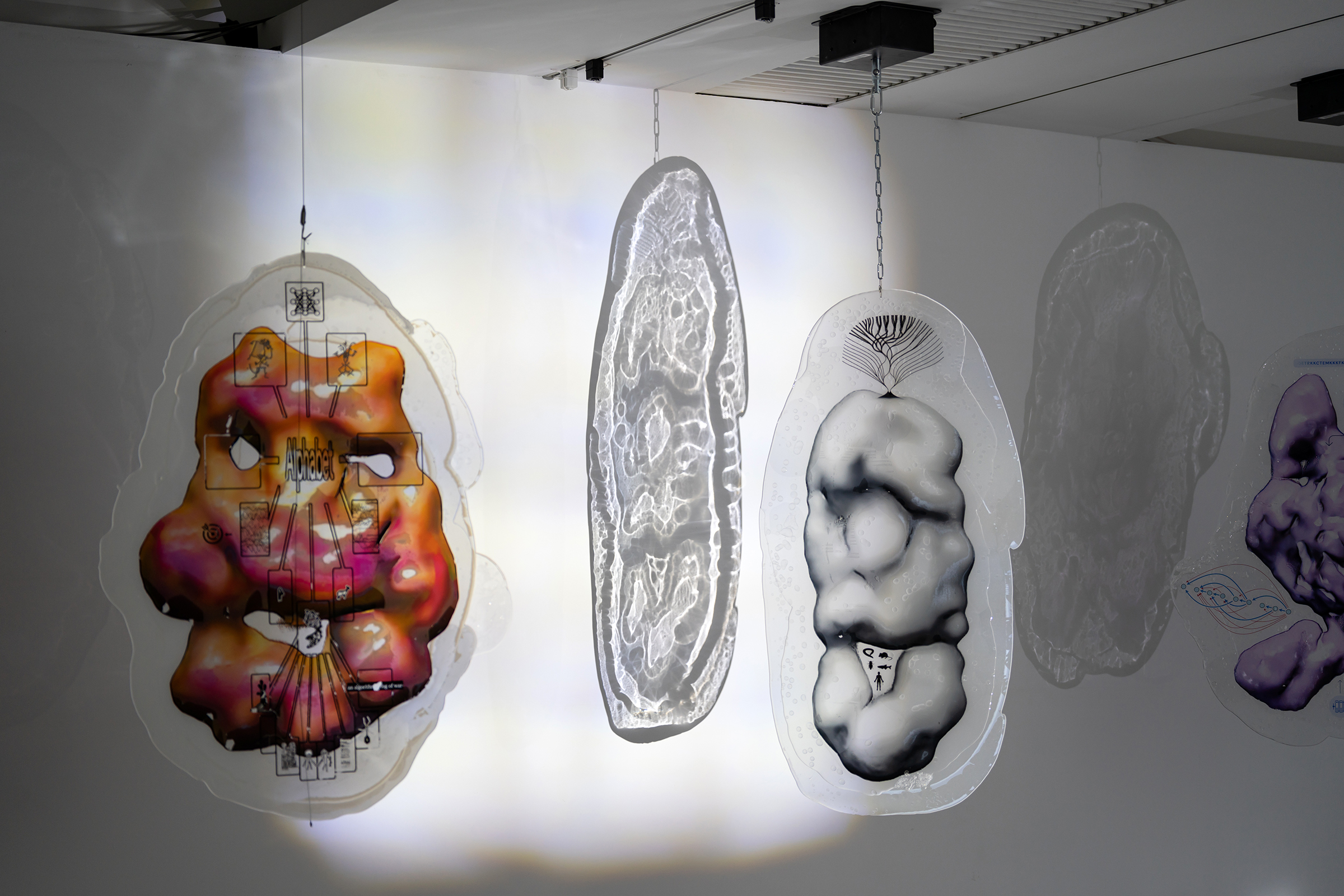
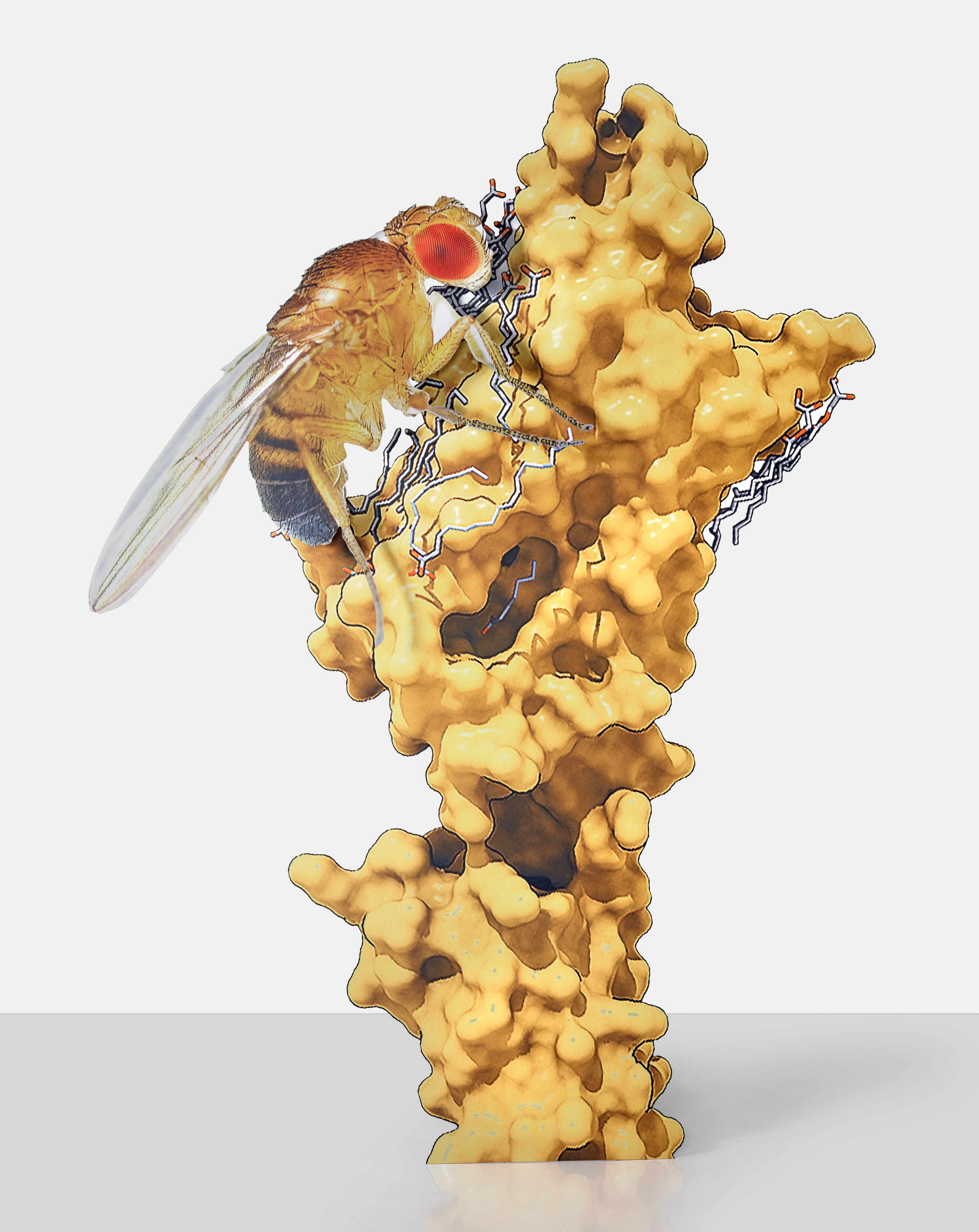
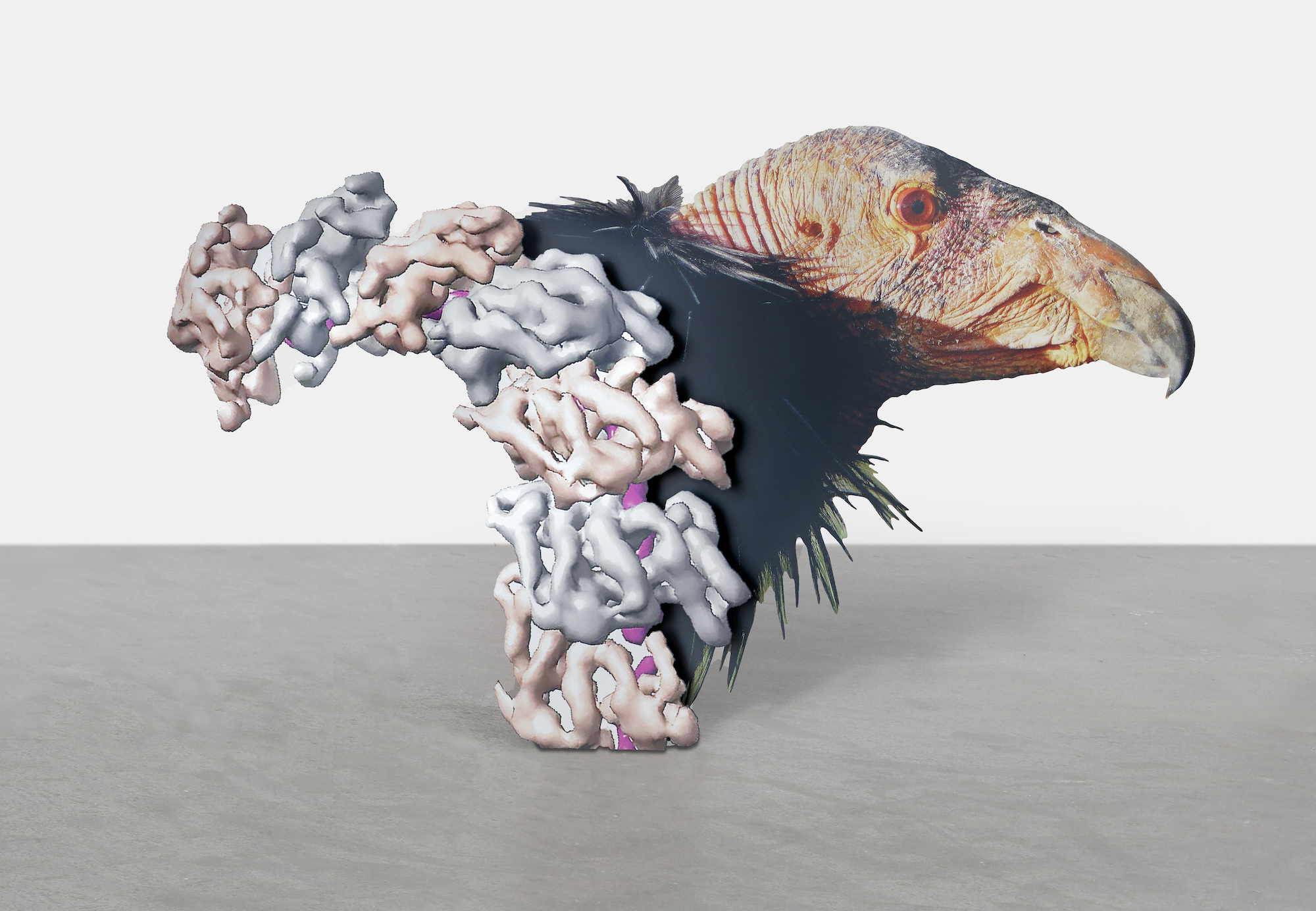
PDB Mutant (Regulatory Mutations, yellow), 2021
UV resistant digital print transfer on polyurethane resin, metal chain, rotating motor

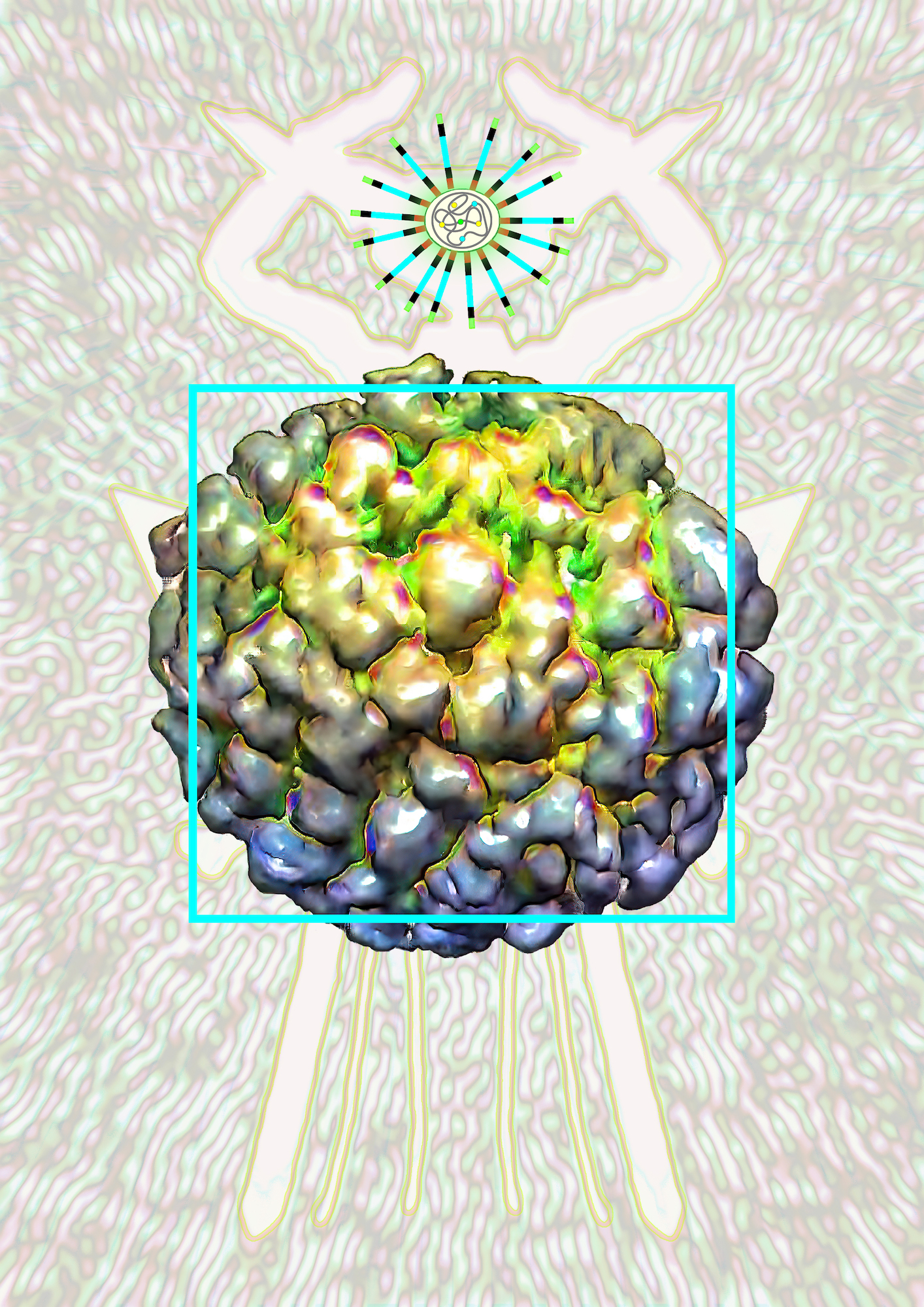
PDB Mutant (Predictions, grey)
UV resistant digital print transfer on polyurethane resin, metal chain, rotating motor

PDB Mutant (AlphaFold, purple)
UV resistant digital print transfer on polyurethane resin, metal chain, rotating motor
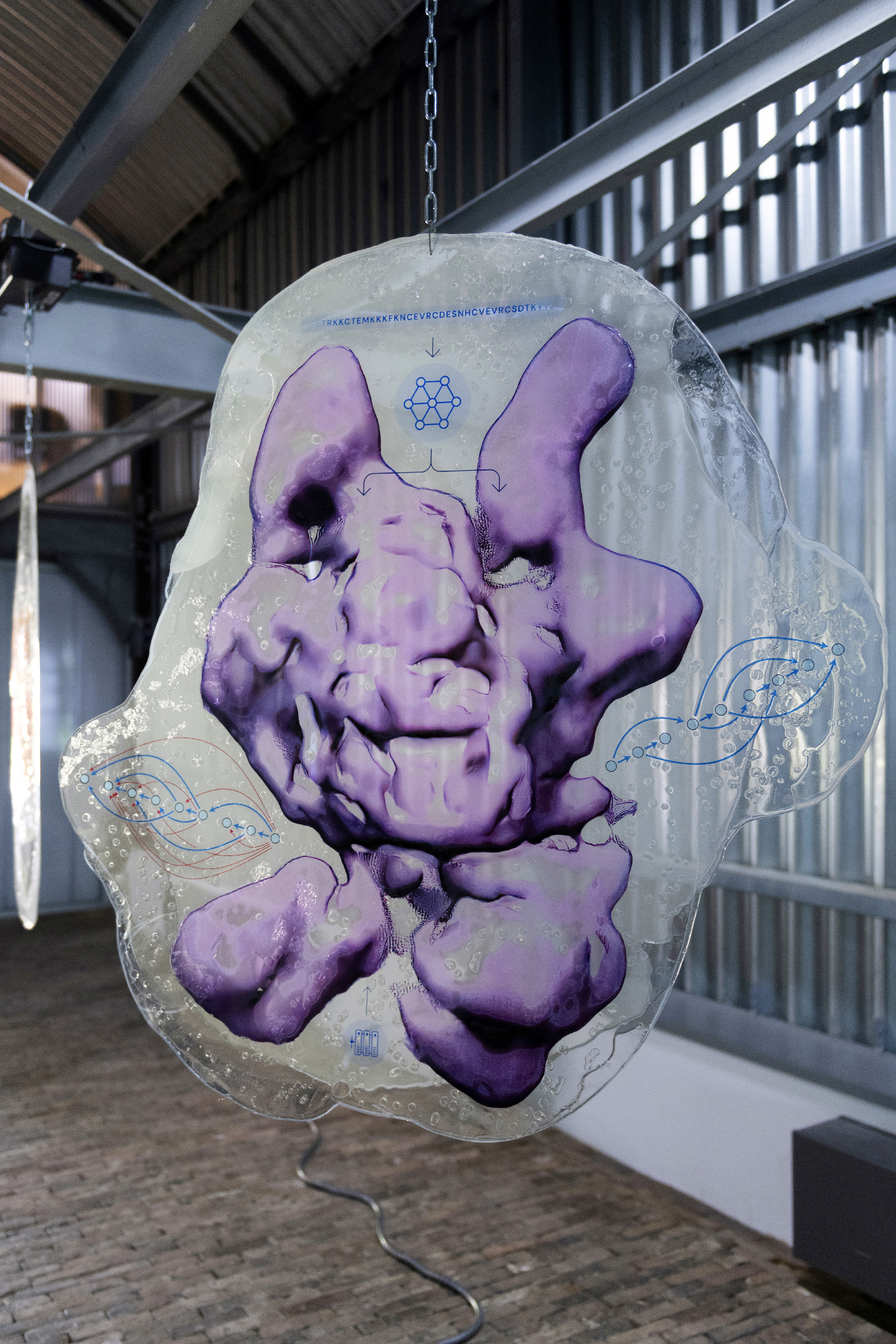
PDB Mutant (Labrats, blue)
UV resistant digital print transfer on polyurethane resin, metal chain, rotating motor